
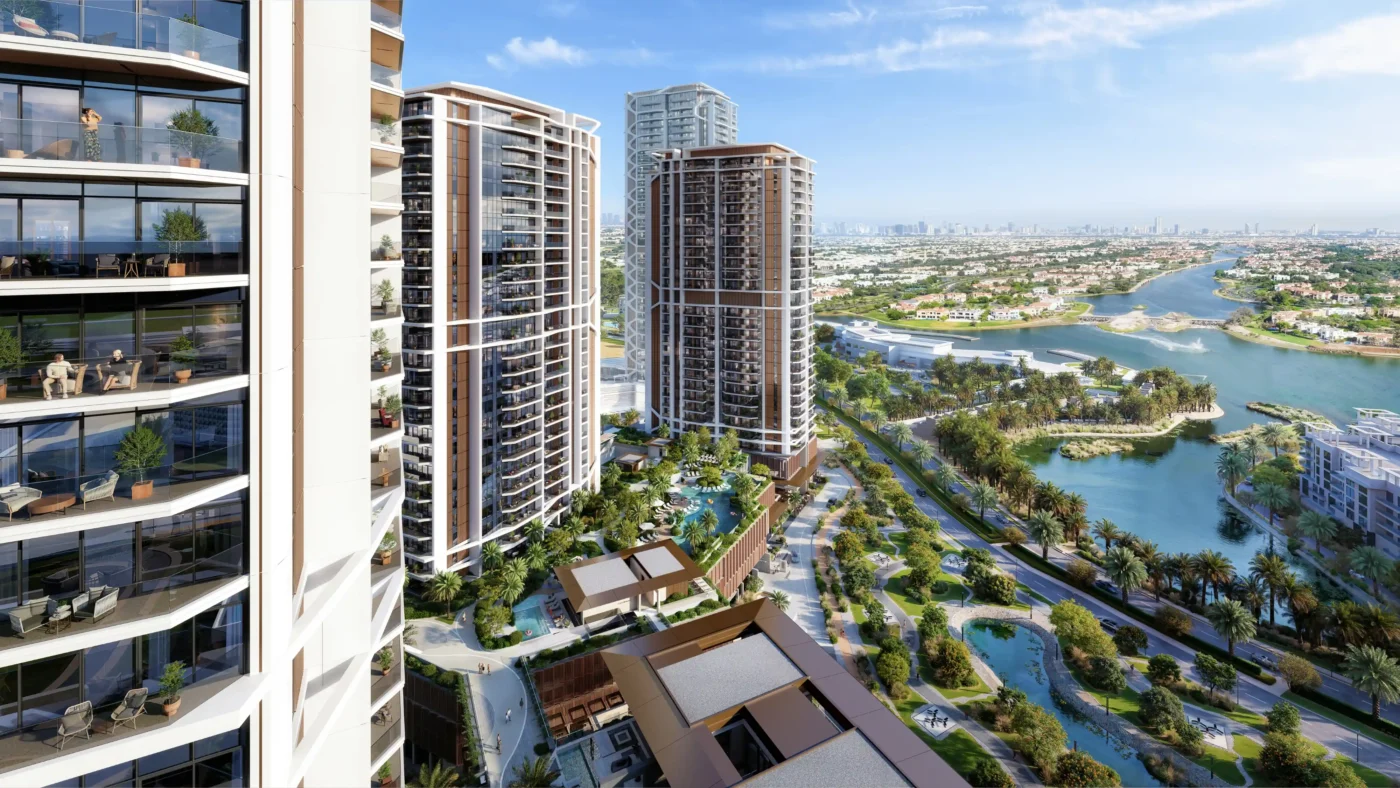
The hospitality industry is built around creating memorable guest experiences. Whether it’s a luxury hotel, beachfront resort, boutique café, or fine-dining restaurant, every space is designed to leave a lasting impression. Long before the doors open, developers, architects, and hospitality brands need a way to communicate that vision to investors, stakeholders, and future guests.
This is where 3D rendering plays a vital role. It transforms architectural concepts into photorealistic visualizations that showcase not only the design but also the ambience, comfort, and experience a property aims to deliver. From project approvals to marketing campaigns, 3D rendering helps hospitality projects move forward with greater clarity and confidence.
What Is 3D Rendering for Hospitality?
Table of Contents
3D rendering for hospitality is the process of creating realistic visualizations of hotels, resorts, restaurants, cafés, bars, and other hospitality spaces before they are built or renovated. These renderings allow stakeholders to explore every aspect of a project, from the building’s exterior to the smallest interior details.
Hospitality rendering is commonly used for:
- Hotels and boutique hotels
- Resorts and luxury villas
- Restaurants and cafés
- Bars and lounges
- Wellness and spa facilities
- Hospitality lobbies and public spaces
Unlike standard architectural renderings, hospitality visualizations focus on showcasing the overall guest experience. They help viewers imagine how the space will look, feel, and function once it is complete.

Why 3D Rendering Matters for Hospitality Projects
Hospitality projects involve multiple stakeholders, each with different priorities. High-quality renderings help bring everyone onto the same page while reducing uncertainty throughout the project.
For Developers
Developers use 3D renderings to present concepts to investors, market projects before opening, and secure approvals with greater confidence. Realistic visuals also help communicate the value of premium amenities and architectural features.
For Architects and Interior Designers
Renderings allow architects and designers to present layouts, lighting, materials, furniture, and finishes in a realistic setting. This improves collaboration, simplifies design reviews, and helps identify changes before construction begins.
For Hospitality Brands and Operators
Hotels, resorts, and F&B brands rely on strong visual identity. 3D rendering helps ensure that every space reflects the brand’s character while providing marketing assets that can be used for promotions before launch.
Types of 3D Renderings Used in Hospitality Projects
Different areas within a hospitality project require different visualization approaches. Together, they provide a complete picture of the guest experience.
Hotel Exterior Renderings
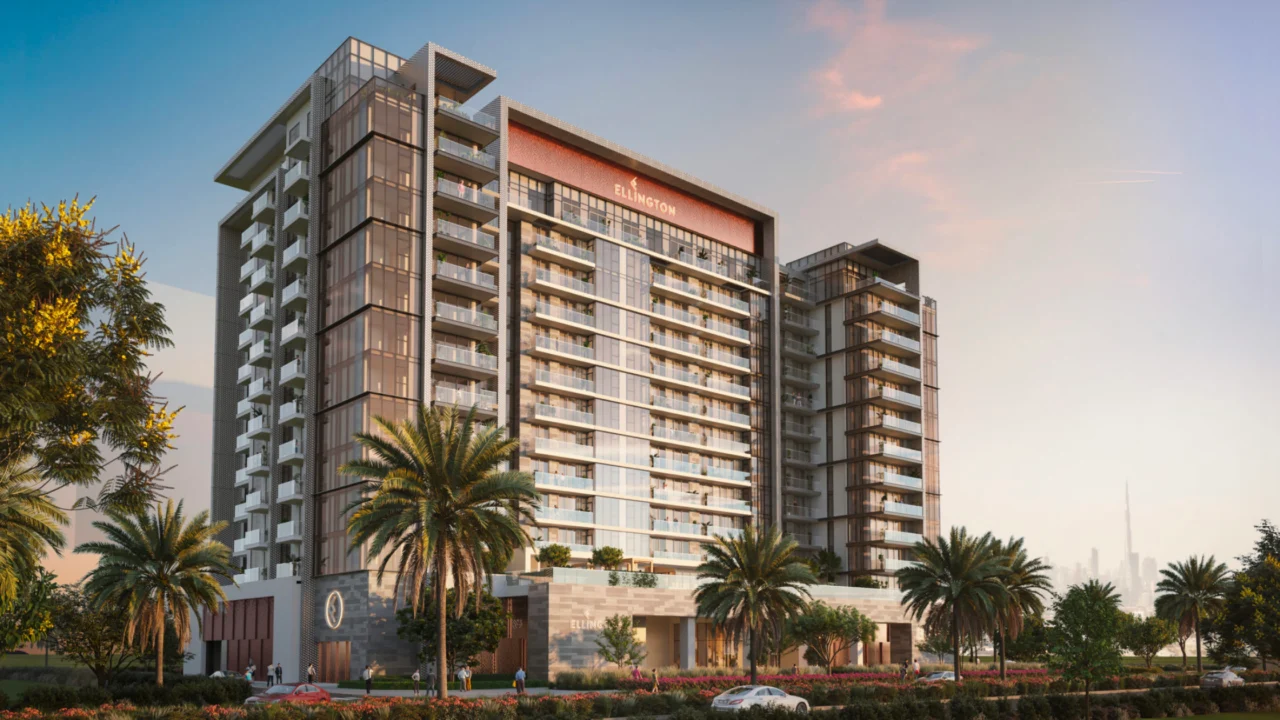
Exterior renderings showcase the building’s architecture, entrance, landscaping, lighting, and arrival experience. They are commonly used in marketing campaigns, investor presentations, and project approvals.
Guest Room and Suite Renderings
Guest room renderings focus on layouts, furniture, lighting, finishes, and views. These visuals help demonstrate comfort, functionality, and the overall quality of the accommodation.
Resort Renderings
Resort visualizations highlight outdoor experiences such as swimming pools, private villas, beaches, gardens, walking paths, and recreational amenities. They help communicate the lifestyle guests can expect.
Restaurant and Café Renderings
Restaurant and café renderings capture dining spaces, bars, outdoor seating, private dining areas, and interior ambience. They help owners visualize customer flow while supporting branding and marketing efforts.
Lobby and Public Space Renderings
Lobbies, lounges, reception areas, and shared spaces create the first impression for guests. Rendering these areas helps showcase hospitality, accessibility, and the property’s design identity.
Wellness and Leisure Renderings
Spa facilities, fitness centres, yoga studios, pools, and relaxation areas can also be visualized to highlight wellness offerings and encourage guest engagement.
What Makes Hospitality Rendering Different?
Hospitality visualization goes beyond showcasing architecture. It focuses on creating an emotional connection that helps viewers imagine themselves enjoying the space.
A successful hospitality rendering considers:
- Warm and inviting lighting
- Premium materials and finishes
- Comfortable furniture layouts
- Thoughtful styling and décor
- Guest movement and interaction
- Landscape integration
- Brand identity and ambience
These details help transform a visual into an experience, making it easier for investors, operators, and future guests to connect with the project.
How 3D Rendering Supports Every Stage of a Hospitality Project
Hospitality rendering delivers value throughout the project lifecycle, from concept development to pre-opening marketing.
| Project Stage | How 3D Rendering Helps |
|---|---|
| Concept Design | Visualizes early ideas and overall project vision. |
| Design Development | Reviews layouts, materials, finishes, and lighting before construction. |
| Client & Brand Approvals | Presents realistic visuals that simplify feedback and decision-making. |
| Marketing & Pre-Launch | Creates promotional content before the property opens. |
| Sales & Bookings | Builds excitement among investors, event planners, and future guests. |
| Operations & Staff Training | Familiarizes hospitality teams with spaces before opening. |
Interactive Visualization in Hospitality
Hospitality visualization has evolved beyond static images. Interactive experiences now allow stakeholders to explore spaces in greater detail before construction is complete.
Popular visualization solutions include:
- 360° Virtual Tours that allow viewers to navigate hotel rooms, restaurants, and amenities online.
- CGI Walkthroughs that guide viewers through the property with cinematic animations.
- Virtual Reality (VR) experiences that let investors, operators, and guests explore spaces at life-size scale.
These tools create immersive experiences that improve presentations, marketing campaigns, and decision-making.
Choosing the Right 3D Rendering Partner
Selecting the right visualization studio is essential for achieving high-quality hospitality renderings.
When evaluating a rendering partner, consider:
- Experience with hotels, resorts, and F&B projects
- Photorealistic rendering quality
- Strong understanding of hospitality design
- Expertise in lighting and ambience
- Collaborative project workflow
- Reliable turnaround times
- Capability to deliver walkthroughs and interactive visualizations
A studio that understands both architecture and guest experience can produce visuals that align with the project’s design and commercial objectives.
Final Thoughts
3D rendering has become an essential part of hospitality design and development. It helps developers, architects, and hospitality brands visualize projects, communicate design intent, secure approvals, and market properties before opening.
Whether showcasing a luxury hotel, a beachfront resort, or a contemporary restaurant, high-quality hospitality renderings bring concepts to life through realistic visuals that highlight architecture, ambience, and guest experience. As hospitality projects continue to evolve, 3D rendering will remain a valuable tool for creating engaging spaces that inspire confidence long before the first guest arrives.
FAQ’s
What is the difference between a digital twin and a 3D render in real estate?
It helps developers, architects, and hospitality brands visualize designs, secure approvals, and market projects before completion. It helps developers, architects, and hospitality brands visualize designs, secure approvals, and market projects before completion.
What types of hospitality projects use 3D rendering?
Hotels, resorts, restaurants, cafés, bars, spas, wellness centres, and other hospitality developments commonly use 3D renderings.
How do hotel renderings help developers?
Hotel renderings help developers present projects to investors, support pre-launch marketing, and communicate design concepts more effectively.
What makes hospitality rendering different from residential rendering?
Hospitality rendering focuses on creating the guest experience by highlighting ambience, comfort, luxury, and brand identity, rather than just showcasing the building.
How do restaurant and café renderings benefit F&B businesses?
They help owners visualize layouts, dining experiences, interior ambience, and branding before construction or renovation begins.
What is hospitality rendering used for?
Hospitality rendering visualizes hotels, resorts, restaurants and leisure spaces for design development, operator presentations, investor discussions and marketing.

