
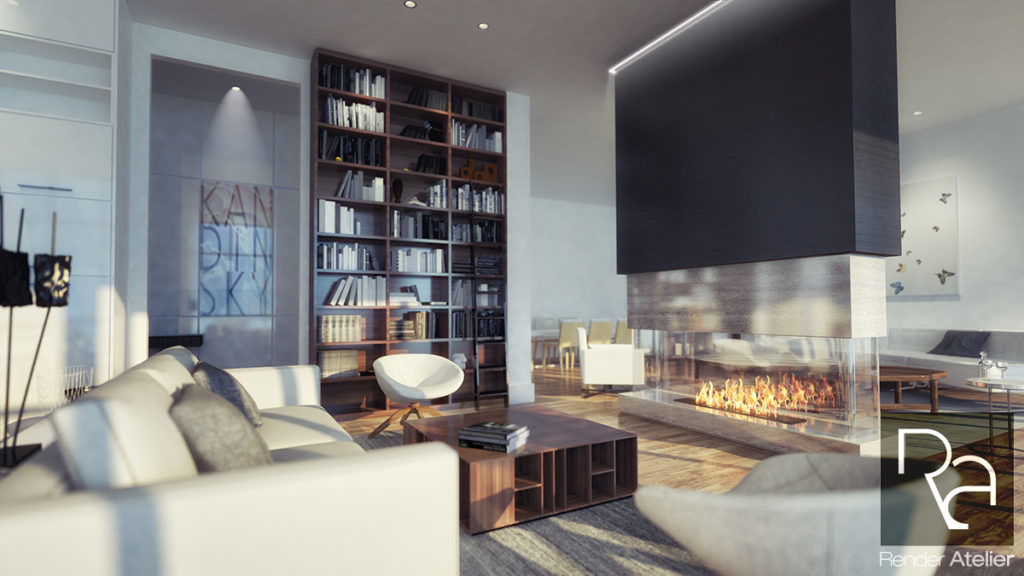
A guest books a hotel room after looking at a few photos. A buyer pays a booking amount for an apartment that is still under construction. Both take a risk, so both may hesitate before making a decision.
Before booking, the guest may visit another hotel’s website to compare rooms. A property buyer may also check other apartments to see if another project suits their needs better. If your property or its layout is not presented clearly, you could lose that opportunity.
360 virtual tours for hotels and property developers can help solve this problem. It helps people look around a space, move from one area to another, and understand the layout before making a decision.
This blog explains how hotels and developers use virtual tours, what results they should track, and which common mistakes they should avoid.
What Is a 360 Virtual Tour?
Table of Contents
A 360 virtual tour is an interactive way to explore a space online. Instead of looking at a few fixed photos, viewers can look around in every direction and move from one room or area to another by clicking or tapping on points within the tour. People can access 360 virtual tours through a web browser on a computer, tablet, or phone.
How Hotels Can Use 360 Virtual Tours to Get More Direct Bookings
Hotels often lose bookings to online travel websites (OTAs), which charge a commission on each booking. A 360 virtual tour can encourage guests to book directly through the hotel website by giving them a better view of the property.
Help Guests Move from Browsing to Booking
Place the virtual tour near the booking section. Guests can explore the room and book it without leaving the hotel website. They can see the room for themselves instead of opening another website to check what it looks like.
Make Room Upgrades Easier to Understand
A description such as “Deluxe Room with City View” may not be enough to convince a guest to pay more. A virtual tour lets guests compare different room types and see the difference in space, layout, furniture, and views.
This makes it easier for guests to understand why a suite or premium room costs more.
Make Room Upgrades Easier to Understand
Hotels also use virtual tours to showcase banquet halls, lawns, conference rooms, and other event spaces. Event planners can see the size of the hall, stage area, pillars, entrances, and outdoor spaces before visiting.
They can also share the tour with clients or family members who live in another city. This makes it easier for everyone to review the venue and decide whether it is worth visiting.
Show Guests What to Expect
Hotel photos do not always show the full picture. A 360 tour lets guests see the actual room, bathroom, windows, furniture, and views before booking.
This helps set clear expectations and can reduce complaints about rooms looking different from the photos.
For example: Imagine a 120-room resort that hosts weddings. A couple’s family lives in Dubai and cannot visit the venue before the booking deadline. The resort sends them a virtual tour of the lawn, banquet hall, and different room types. The family explores the spaces together on a video call and sends an enquiry the next morning. Without the tour, they may have chosen another venue that was easier to view remotely.
How Developers Can Use 360 Virtual Tours in Off-Plan Sales
Off-plan buyers commit a large amount of money before they can see the finished property. They usually depend on brochures, floor plans, and 3D renderings. But a floor plan can be difficult to understand, and a render only shows one view.
A 360 virtual tour gives buyers a better idea of what the finished home could look and feel like. They can move through the rooms, check the layout, and understand how different spaces connect.
Turn 3D Renders into Walkthroughs
Developers can turn 3D renders into interactive 360 tours. Buyers can move through the living room, kitchen, bedrooms, and balcony and explore the planned layout.
This helps buyers understand the property better and ask more specific questions before making a decision.
Reach Overseas and Out-of-City Buyers
Many off-plan buyers live far from the project. This includes NRIs and investors who may not be able to visit the site immediately.
A virtual tour lets them explore the planned apartment, building, and amenities remotely. Sales teams can simply share a link and walk the buyer through the project during a video call.
Give Your Sales Team a Better Tool
Sales agents can use virtual tours during video calls, online meetings, or property presentations. They can guide buyers through the apartment while answering questions about the layout and features.
It also helps agents understand what interests the buyer and focus the conversation on those areas.
Keep Buyers Updated During Construction
Off-plan projects can take years to complete. Buyers may become concerned when they cannot see regular progress.
Developers can capture 360 views at important construction stages, such as the foundation, building structure, and finishing work. They can then share these updates with buyers so they can see how the project is progressing.
Regular visual updates can make buyers feel more informed and confident about the project.
Sell the Lifestyle, Not Just the Apartment
Buyers are not only choosing an apartment. They are also choosing the lifestyle around it. Include spaces such as the clubhouse, swimming pool, garden, gym, children’s area, and other amenities in the virtual tour. Showing these spaces helps buyers understand what living in the development could be like, rather than focusing only on the apartment itself.
Hotels vs Off-Plan: Side-by-Side Comparison
Both use cases rely on the same idea, but they work in different ways.
Show Guests What to Expect
| Factor | Hotels | Off-plan |
|---|---|---|
| Space shown | Real, existing rooms and venues | Rendered or model units |
| Main goal | More direct bookings, higher-value rooms | Buyer confidence, faster decisions |
| Key audience | Leisure guests, corporate and event planners | Investors, end users, overseas buyers |
| Best placement | Booking page, room pages, Google Business Profile | Project landing page, sales deck, WhatsApp and email follow-ups |
| Update schedule | After every renovation | At every construction milestone |
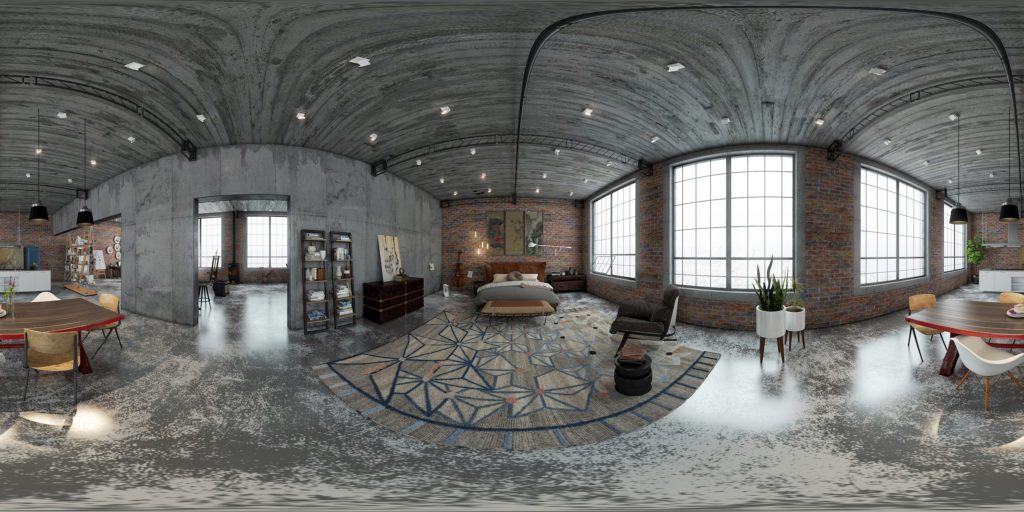
Common Mistakes to Avoid With 360 Virtual Tours
- Slow loading: Large virtual tours can take longer to load, especially on mobile phones. If visitors have to wait, they may leave the page. Compress images, reduce unnecessary files, and test the tour on a mid-range phone before publishing it.
- Outdated rooms: An old tour can lose trust if it shows furniture, facilities, or designs that no longer exist. Update the tour after major renovations or changes to the property.
- Misleading renders: If you use computer-generated images for an off-plan property, make that clear. The finished property may look different from the render. Clear information can help avoid confusion and potential disputes. Check applicable RERA and local advertising rules before publishing the tour.
- No call-to-action: A virtual tour should guide visitors toward the next step. Add clear buttons such as “Check Availability,” “Book a Site Visit,” or “Talk to Our Team.”
- Ignoring accessibility: Make the tour easier for more people to use by adding captions, descriptive text, and keyboard navigation where possible. These features also give search engines more text to understand.
Final Thoughts
Hotels and developers sell different things, but they face the same problem. Buyers pay for something they cannot fully see. A 360 virtual tour lets them see it first.
For hotels, that means more direct bookings and easier event sales. For developers, it means stronger buyer trust and shorter sales cycles. In both cases, the result comes from the same thing: people who feel sure about their decision.
FAQ’s
How much does a 360 virtual tour cost for a hotel?
The cost depends on the hotel size, number of rooms, type of tour, and platform. A simple photo-based tour usually costs less than a detailed 3D tour. Ask the provider for a quote based on the areas you want to show.
Can you create a 360 virtual tour from 3D renders for an off-plan project?
Yes. 3D studios can turn architectural renders into 360 virtual tours. Buyers can explore the planned home before construction is complete. Clearly mention that the tour is based on renders.
What is the difference between a virtual tour and a video tour?
A video follows a fixed path. Viewers can only watch what the camera shows. A 360 virtual tour lets viewers look around and choose where they want to go next.
Do virtual tours help with SEO?
They can help keep visitors engaged with your website. You can also add tours to Google Maps and Street View to help people find your property. However, a virtual tour alone will not improve SEO. You still need useful content and a well-optimized website.
How often should I update a virtual tour?
Hotels should update tours after renovations or major changes. Developers should update them when construction reaches important stages or when the design changes.

