
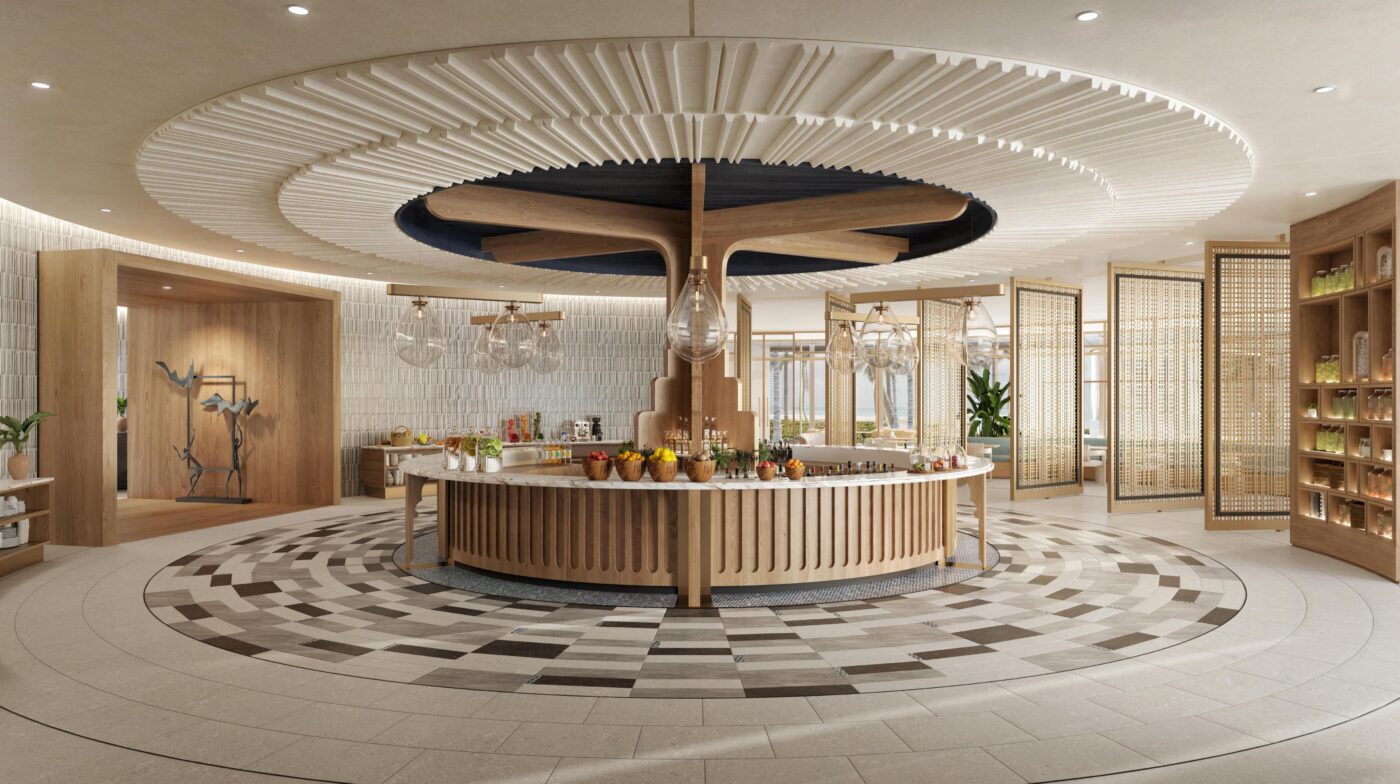
AI rendering is assumed to have changed the time required to create a render. But is that render reliable? Does it have the base 3D model behind it, or is it just a visual? Many questions come with the use of AI rendering, especially when it is compared with traditional CGI (Computer-Generated Imagery). The difference is not only about how quickly an image can be created. Cost, reliability, control, and the quality of the final visual also matter.
A comparison of AI rendering and traditional CGI across time, cost, and reliability can help explain where each approach is suitable and what a studio should consider before choosing one for a project.
How AI Rendering and Traditional CGI Work
Table of Contents
AI rendering and traditional CGI may produce a similar-looking final image, but the process behind them is quite different.
Traditional CGI starts with creating or importing a 3D model of the project. The artist then works on materials, textures, lighting, camera angles, surroundings, and other details before generating the final render. The same 3D scene can also be used to create different views or make controlled changes when the design is revised.
AI rendering workflow depends on the tool. You use a prompt, reference image, sketch, or existing 3D model to generate or modify a visual. The AI then reads the prompt and generates or edits the visual. The focus is often on creating the appearance of the scene rather than building every element as a separately controllable 3D asset.
Which One Gets You an Image Faster: Traditional 3D Rendering or AI Rendering?
When it comes to speed, AI rendering has an obvious advantage. A visual can be generated within minutes, while traditional CGI can take much longer because the 3D scene needs to be prepared before the final render.
For early design ideas, this difference can be useful. A designer can try different materials, colours, lighting conditions or surroundings and quickly see how the overall concept may look. It can make the initial stage of visual exploration much faster.
Why Are Traditional 3D Renders Costly?
For sole AI rendering, the cost can be lower since the work mainly involves the AI tool and the knowledge of how to give the right instructions or prompts to get the required visual.
Traditional CGI involves more steps. First, the 3D model has to be created, which requires a 3D modelling artist and the tools needed to build the model. The model is then taken into the rendering stage, where another artist may work on the materials, lighting, camera and other scene details.
You can think of it like construction. The 3D modeller is like the person who builds the structure, while the 3D rendering artist is like the person who works on the finishing, appearance and presentation of that structure. Different skills and tools are involved at different stages.
With more people, skills, software and production time involved, the cost of a traditional CGI render can be higher than generating a visual through an AI rendering tool.

Which Produces Better Quality: Traditional 3D Rendering or AI Rendering?
Both AI rendering and traditional 3D rendering can produce high-quality images, but the quality of an AI image can vary depending on the tool used. Not every AI rendering tool can produce the same level of image quality.
Also, quality here is not just about the resolution or appearance of the final image. It can be judged through several factors, such as realism, lighting, shadows, details and how accurately the image represents the design.
Realism: AI may or may not produce a realistic image. The lighting can look artificial, shadows may not fall naturally, and other small but important details can be miscalculated.
Traditional 3D rendering: When the 3D artist sets the model, materials, lighting, camera and other requirements correctly, the final render can achieve a level of realism that is no less than an actual photograph. The artist has control over these elements and can adjust them to create the required result.
Which Gives More Accurate Renders: Traditional 3D or AI?
A high-quality render should not only look good, but also represent the actual design correctly.
AI can sometimes interpret the input differently and change elements such as the shape and size of a building, windows, doors, furniture or materials. The changes may not always be noticeable because AI can also adjust other elements in the image to make the final visual look natural. But when the render is being used as a reference for a buildable structure, these changes can affect the structural or aesthetic outcome.
The same applies when the render is used for marketing. If the final built structure does not match what was shown in the render, it can affect the trust of the buyer and may lead to other issues.
With traditional 3D rendering, the artist works with the 3D model and the specified requirements. The elements in the scene can be placed and adjusted as required, making it easier to maintain the accuracy of the design.
Also, when multiple renders are required for the same project, consistency matters. AI may produce variations in details when generating different images, even when the same reference is used. Traditional CGI can use the same 3D scene to create different views while keeping the building, materials and other elements consistent.
Can AI Rendering Incorporate Client Feedback Like Traditional 3D Rendering?
When a project involves multiple rounds of specific and controlled client feedback, traditional 3D rendering provides greater control over how each revision is applied.
The client may ask to change the wall colour, replace the flooring, move a window, change the furniture, modify the lighting or even change the camera angle.
With traditional 3D rendering, these changes can be made directly to the 3D scene. The artist can modify the required element while keeping the rest of the design unchanged. Once the changes are made, the updated scene can also be used to create other views of the same project.
AI rendering can also incorporate client feedback, depending on the tool and the type of change required. However, making one specific change while keeping every other element exactly the same can be more difficult. The AI may interpret the instruction differently and change other parts of the image along with the requested element.
For example, if the client only wants to change the flooring, a traditional 3D artist can replace the flooring material in the scene while keeping the walls, furniture, lighting and camera position unchanged. With AI, the output may also alter some of these elements while generating the revised image.
When Does AI Rendering Make More Sense?
AI does not always have to be used as the only rendering tool. It can be integrated into a traditional visualization workflow for tasks such as exploring ideas, creating references, making certain adjustments or speeding up parts of the process. The final 3D render can still be created using traditional CGI when greater control and accuracy are required.
- Ideation: AI can be useful for early-stage concept testing. Different design directions, materials, colours or styles can be explored before spending more time and money on detailed design and 3D production.
- Social media posts: It can also be used to create social media visuals to communicate the types of designs a studio works on. However, such visuals should not be treated as portfolio work if they do not represent an actual project created by the studio.
- Making surface-level changes: AI can be useful for making simple changes to an existing render when the output remains close to the original design. For example, a studio may want to test a different wall colour, flooring, furniture style or overall mood without changing the underlying design.
When Does Traditional CGI Still Make More Sense?
Traditional CGI remains the preferred approach when the render needs to be taken for approval, used as a reference for what will actually be built, presented for off-plan property sales, or added to the studio’s portfolio as a representation of its actual work.
- Final architectural presentations: When the render needs to closely represent the approved design.
- Real estate marketing: When the visual needs to match the structure that will actually be built.
- Detailed exteriors and interiors: When materials, proportions, furniture, lighting and other design elements need to be shown accurately.
- Multiple views: When several renders of the same project are required with consistent design elements across every view.
- Portfolio: When the render is being presented as a representation of an actual project completed or designed by the studio.
- Client or regulatory approvals: When the visual needs to accurately represent the proposed design for review or approval.
- Off-plan marketing and sales: When you want to market and sell a property before construction, buyers need to understand what will actually be built. A CGI render that closely replicates the approved plan can help show the proposed property clearly and maintain buyer trust.
AI Should Be Part of the Workflow
AI rendering has made it faster to create and explore architectural visuals, but a fast render is not always a replacement for a detailed 3D render.
AI can help with ideation, concept testing and surface-level changes, while traditional CGI remains useful when accuracy and control matter, such as for approvals, off-plan sales and final project visuals. Using both as part of the same workflow can save time without compromising the control needed for the final render.
FAQ’s
Can AI rendering replace traditional 3D rendering?
If solely relied on, AI is currently more suitable for concept generation and visual exploration. Traditional CGI is still useful when accuracy and control are required.
Can AI rendering create realistic images?
Yes, but the realism depends on the AI tool, input and prompt. Small details such as lighting, shadows, proportions and materials may not always be accurate.
Can AI rendering be used for real estate marketing?
It depends on your goals. Guest rooms, the lobby, the exterior arrival, and signature amenities are common first choices, but the best selection depends on your concept and audience.
What is the difference between 3D hotel rendering and a photograph?
AI can be used to create social media visuals showing the type of structures or designs a developer or studio can create. But it should not be presented as an actual completed project or included in a portfolio if it does not represent a real project.
Can AI rendering create a 3D model?
Not every AI rendering tool creates a usable 3D model. Many tools primarily generate a 2D visual, so the output may not be directly usable for further 3D work.
What are the best AI tools for architectural rendering?
There is no single best tool for every requirement. Tools such as Veras, Gendo, ArchiVinci, mnml.ai and SketchUp AI Render offer different workflows, so the right choice depends on the input and level of control required.

