
Luxury furniture is defined by details. The shape of a piece, the quality of its materials, the finish, and the smallest elements of its craftsmanship all influence how the final product looks. Designers need to communicate these details clearly before a piece moves into production.
Traditional sketches and drawings can communicate the basic design, but they may not show exactly how the finished furniture will look with its chosen materials, colours, and finishes. 3D artistry gives designers a realistic way to present the design and review these details before production begins.
How Is 3D Artistry Transforming Luxury Furniture Design?
Table of Contents
Bringing Furniture Concepts to Life
Designers can turn sketches, drawings, and design concepts into detailed 3D furniture visuals. A sofa, dining table, armchair, bed, or cabinet can be represented with its intended shape, proportions, and design details.
For example, a designer developing a new armchair can visualize the frame, upholstery, legs, stitching, and overall form before creating a physical sample. This gives the design team a clearer version of the proposed product to review.
Visualizing Materials and Craftsmanship
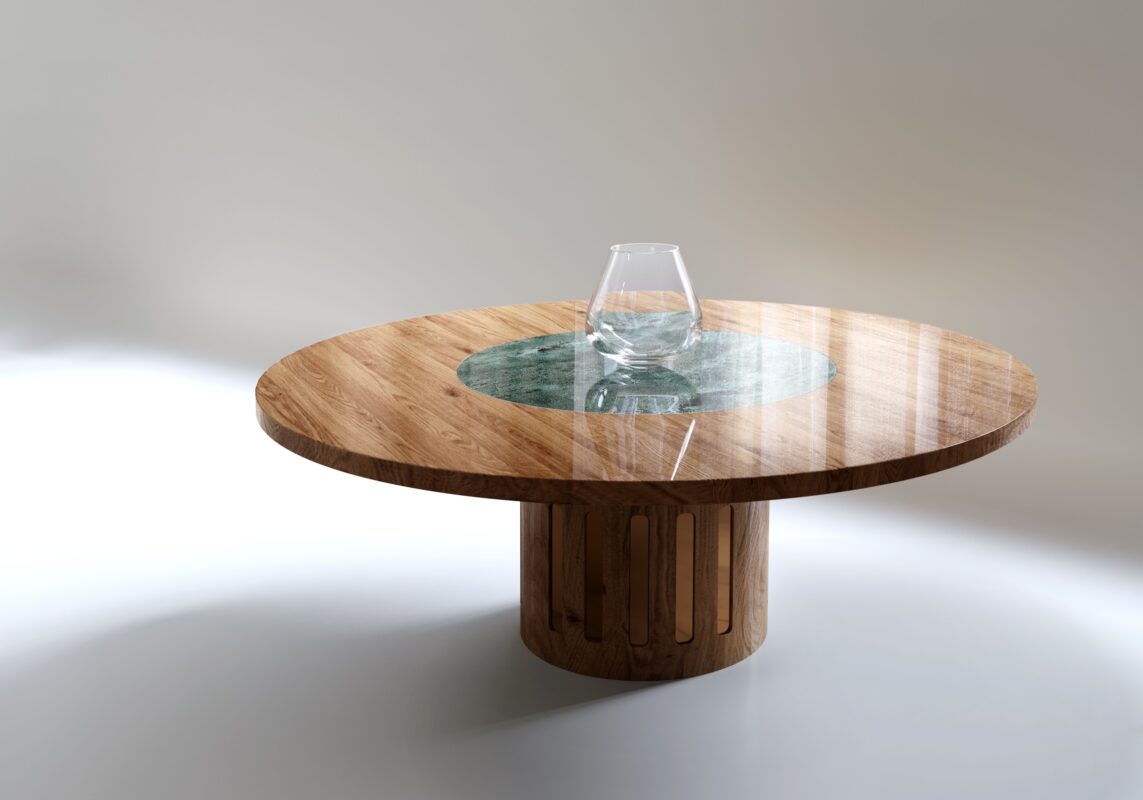
Materials have a major effect on the appearance of luxury furniture. 3D rendering can represent materials such as wood, leather, velvet, marble, metal, and glass with their specific colours, textures, and finishes.
Designers can also visualize details such as stitching, seams, carved elements, polished surfaces, and other craftsmanship. This makes it easier to assess how these details contribute to the finished furniture design.
Exploring Custom Designs and Variations
Luxury furniture often includes customization options. A single product may be available in different fabrics, colours, finishes, dimensions, or configurations.
3D visuals allow designers to present these options without creating a separate physical sample for every variation. For example, a sofa can be shown in different upholstery colours and materials so the team can compare the options before finalizing the product.
Visualizing Furniture in Interior Settings
A furniture piece can look different on its own than it does within a complete room. 3D rendering allows designers and brands to place furniture in realistic interior settings.
A dining table can be shown within a luxury dining room, while a sofa can be presented in a living room with complementary furniture, lighting, and finishes. These visuals give clients and design teams a better understanding of the furniture’s scale, proportions, and overall appearance within its intended setting.
How Does 3D Rendering Change the Furniture Design Process?
Reduce Early Physical Prototyping
Designers can test early concepts through 3D models and renders before moving to physical production. This can reduce the need to create physical samples for every early design direction or variation.
Physical prototypes may still be necessary for testing materials, construction, comfort, or functionality. However, digital visualization can help teams narrow down the design before investing in those physical stages.
Make Design Revisions Before Manufacturing
Changes to proportions, materials, colours, finishes, and other visual details can be made to the digital design before manufacturing begins.
For example, if a furniture team decides that a table should have a different finish or that a chair needs a different upholstery colour, the proposed change can be visualized before the final product is produced.
Speed Up Design Approvals
A realistic 3D render gives designers, manufacturers, clients, and other decision-makers a clear visual reference. They can review the proposed furniture without relying only on sketches, technical drawings, or material samples.
This can make design discussions more specific and help teams reach decisions before the product moves further into development.
Get Client Feedback Before Production
Luxury furniture often involves close collaboration between designers, brands, and clients. A realistic render allows clients to review the proposed piece before production.
They can comment on elements such as the shape, colour, upholstery, finish, and overall appearance while changes are still possible.
How Are Luxury Furniture Brands Using 3D Rendering?
Product Visualization
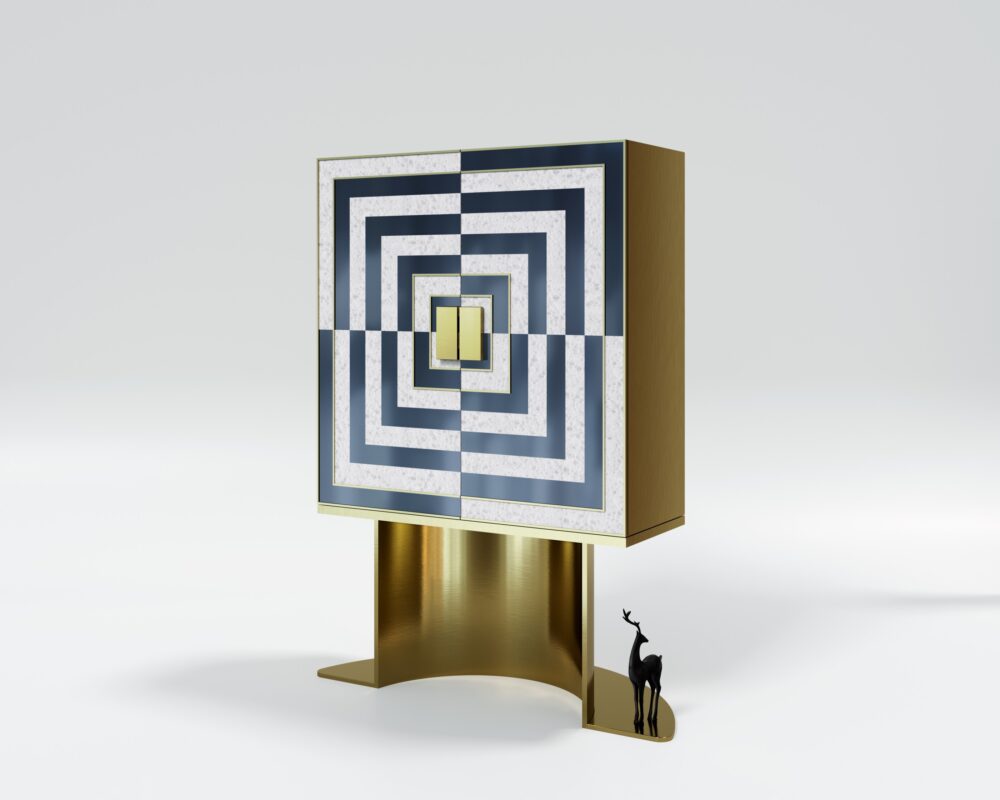
Brands can create detailed visuals of individual furniture pieces that show their form, materials, finishes, and design details.
These visuals can support product pages, presentations, catalogues, and other places where customers need to understand the product before making a decision.
Lifestyle and Interior Scenes
Furniture can be presented in carefully designed interior environments rather than shown only as an isolated product.
A luxury sofa, for example, can be placed in a realistic living room with complementary flooring, lighting, wall finishes, and décor. This gives potential customers a clearer idea of how the furniture could look within a complete interior.
Collection Presentation
Brands can use 3D visuals to present several furniture pieces as part of one collection. This helps maintain a consistent visual style across sofas, chairs, tables, beds, cabinets, and other products.
It can also help brands show how different pieces work together within the same interior concept.
E-commerce and Digital Catalogues
3D furniture visuals can support online product pages and digital catalogues where customers cannot physically examine the product.
Brands can use renders to show different product options and create consistent visuals across a large collection without relying on a separate photography setup for every variation.
Product Launch and Marketing Campaigns
3D rendering can provide product visuals before a new furniture collection is physically available for photography. Brands can use these visuals for product announcements, presentations, websites, social media, and advertising campaigns.
What Are the Benefits of 3D Rendering for Luxury Furniture Brands?
Lower Dependence on Physical Samples
Digital visuals can reduce the need to create physical samples for every early concept or product variation. Brands can review multiple options digitally before deciding which versions need physical development.
Faster Decision-Making
Designers, clients, and manufacturers can review the same realistic visual and provide feedback on specific details. This can make it easier to resolve design decisions before production.
More Flexible Product Presentation
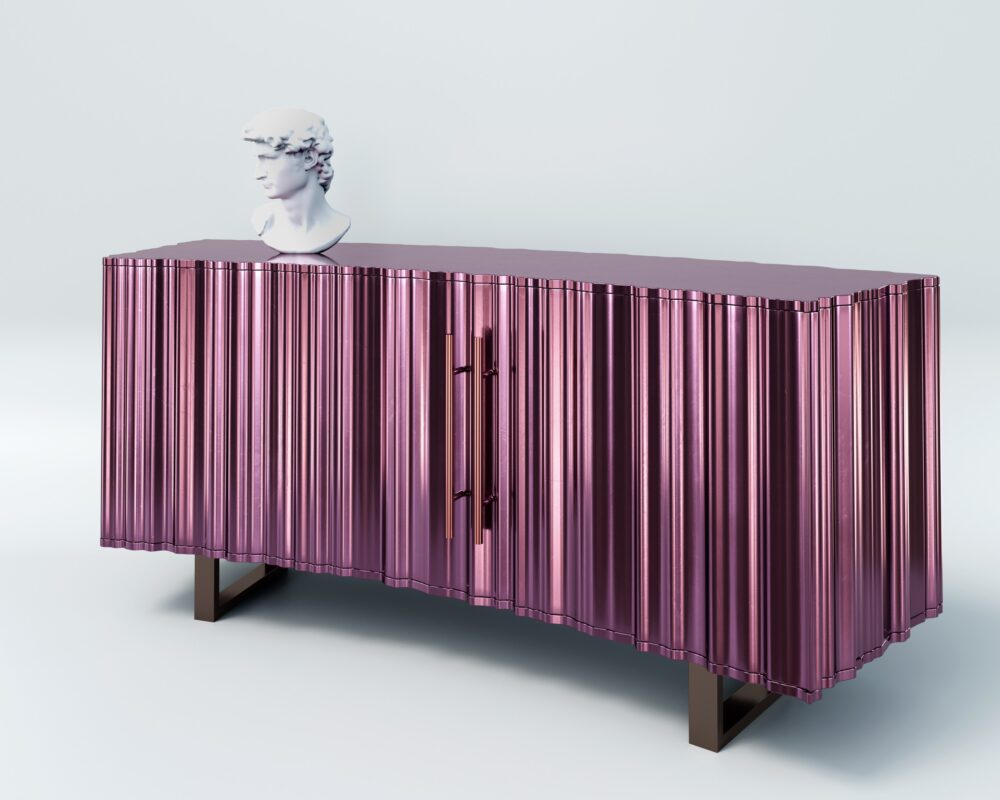
A single furniture design can be presented in different materials, colours, finishes, and interior settings. Brands can therefore create a wider range of product visuals without physically producing every combination.
Create Marketing Assets Before Production
Brands can prepare product visuals before the furniture is physically manufactured or photographed. This can give marketing teams assets for product launches and campaigns earlier in the product cycle.
Reach Customers Through Digital Channels
3D furniture visuals allow brands to present detailed products to customers through websites, digital catalogues, presentations, and other online channels. This is particularly useful when customers cannot visit a physical showroom.
Final thoughts
3D artistry has become an important part of modern luxury furniture design. It gives brands greater control over how their products are developed and presented while supporting the high level of detail expected in the luxury market. As furniture brands expand their digital presence and offer more personalized products, high-quality 3D visualization can help them communicate their designs with greater consistency and precision.

