
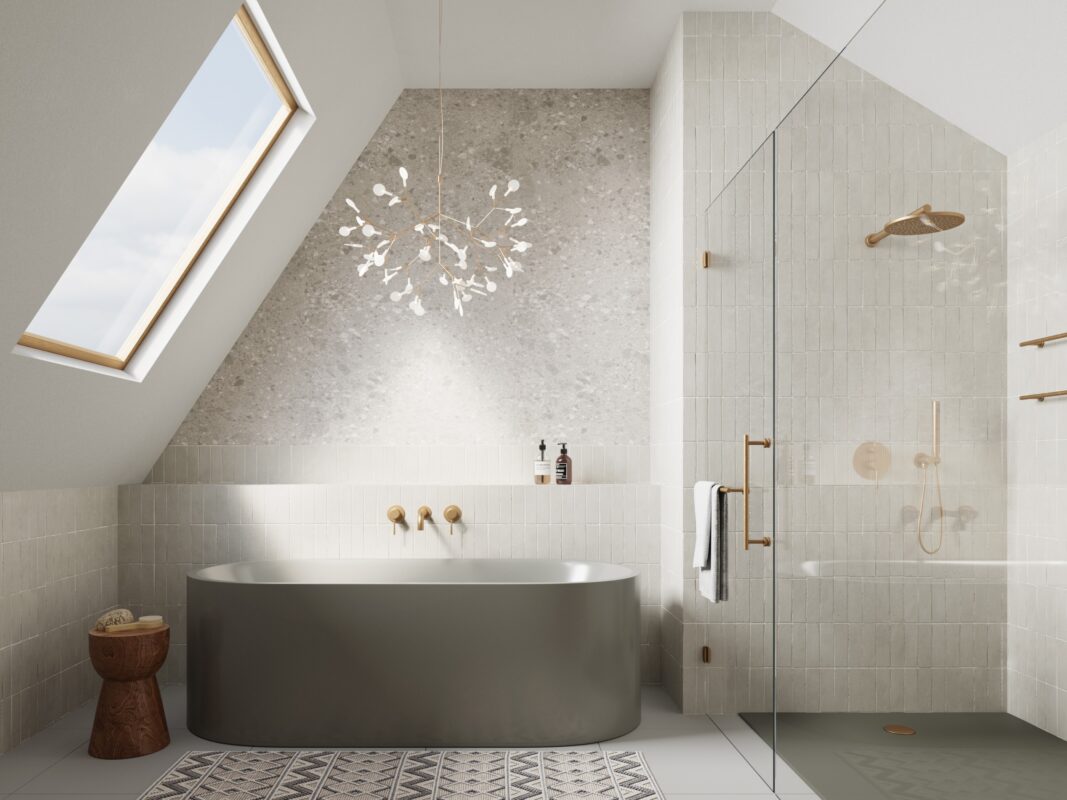
3D rendering starts with visualising the structure, product, or space. But the process can give out multiple by-products that can bring changes to the project. A builder may have a clear vision for a project. But as the team works through different concept renders, the plan may change. A different design, material, layout, or finish may work better than the original idea.
These finalised renders do not remain just as visual references for the construction team. The same renders can later become marketing assets to present the project to potential buyers and customers. This blog takes you through how 3D rendering is changing marketing in 2026 and the different ways it can support a project from design to marketing.
Visualising Products Before They Exist
Table of Contents
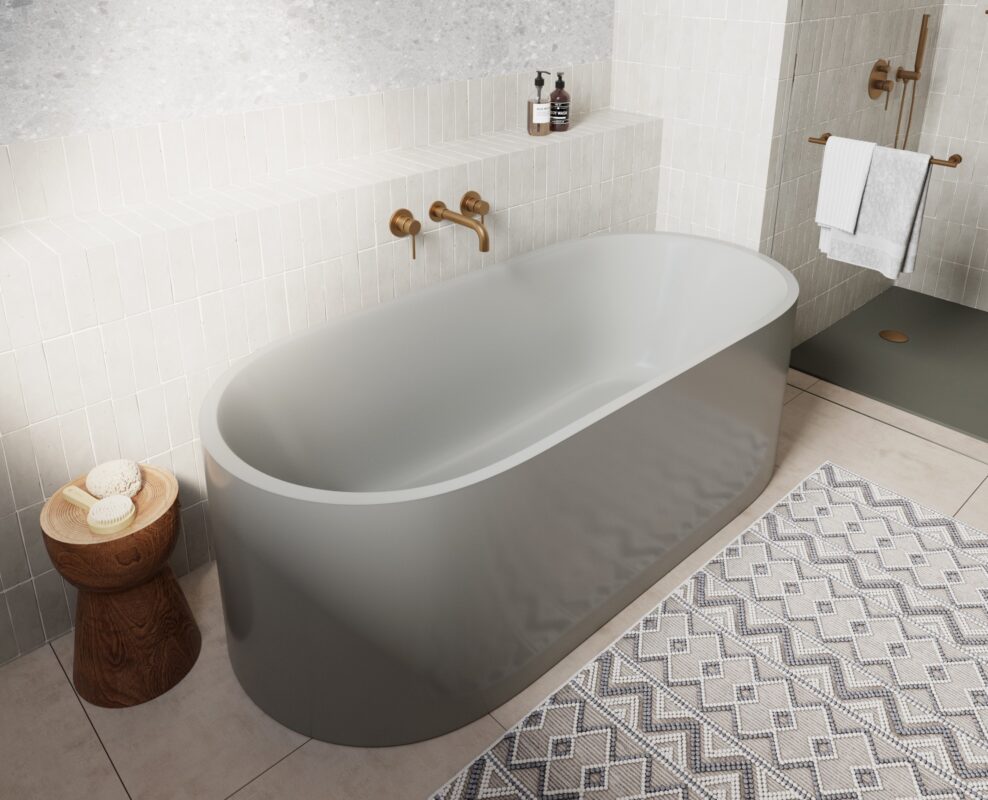
The obvious benefit of 3D rendering is that it lets you visualise a product, building, or space before it exists.
A 3D render can give an idea of its shape, colour, design, materials, finish, branding, and other details. It gives the team a visual version of what they plan to manufacture or build before the work moves into production or construction.
This is more than just a way to see the final product. Having a visual version at an early stage can support different parts of the project, from design and planning to production and marketing.
The render becomes a base that teams can review, change, and use at different stages of the project.
Sell Before You Build
Today, pre-booking and off-plan sales are not just additional sales strategies. They have become an important part of how many products and projects are sold before completion.
An established brand may be able to sell a product based on its brand name and a strong visual presentation, even when the product is still in production. Real estate developers can also attract buyers while a project is still under construction. Smaller or newer brands can use the same approach to introduce their products and build demand before they are ready for the market.
Early sales do more than bring in revenue. They can give a business the confidence and funds to invest further in production, marketing, and other projects. Early interest can also help a newer brand build visibility and establish itself in the market.
However, selling before completion also comes with a responsibility. The final product should match what the customer was shown as closely as possible. Major differences between the render and the delivered product can reduce customer trust, lead to complaints or refund requests, and damage the brand’s reputation. An experienced 3D rendering studio can help businesses create renders that accurately represent the planned product or project. This gives the sales and marketing teams a reliable visual to work with while the actual work is still underway.

Test Customer Response Before Production
A business does not always have to wait until a product is ready to find out how customers may respond to it. 3D renders can help bring the concept to the target audience at an early stage.
A brand can show different designs, colours, materials, finishes, or configurations and see which options attract more interest. A builder can also use renders to present different layouts, interiors, or exterior designs and understand what potential buyers prefer.
The response can help the team make changes before production or construction begins. A design that receives little interest can be reworked, while features that attract more attention can receive greater focus.
Reduce Dependence on Expensive Product Photography
Product photography can become expensive when a business needs to show several versions of the same product. Each colour, material, setting, or configuration may require changes to the shoot or even a new shoot.
3D rendering can reduce this dependence on physical photography. Once the 3D model is ready, the team can create different views and versions of the product without producing every version physically.
Rendering does not replace photography in every case. But for products that are still in development or need many visual variations, it can give marketing teams a faster and more flexible way to create the visuals they need.

Create the Perfect Setting for Your Project
A physical photoshoot depends on the conditions available at that moment. The weather, season, time of day, lighting, surroundings, and camera position may not always be ideal.
CGI rendering gives businesses much more control over these elements. A building can be shown at sunrise, sunset, or night. The same project can be presented in different seasons, weather conditions, or surroundings. This gives marketing teams more freedom to present a project in the way they want customers to experience it.
Turn One 3D Model Into Multiple Marketing Assets
A 3D model can be used to create different visual assets for different marketing needs.
The same model can produce product images from different angles, lifestyle scenes, close-up shots, animations, videos, and other visual content. Teams can also change the background, lighting, colour, material, or setting to create new versions.
● For a real estate project, the model can be used to create exterior views, interior visuals, aerial views, walkthroughs, and other project visuals
● Product brands can use their models across websites, catalogues, social media, advertisements, and presentations
The team does not have to start from scratch for every new visual.

Use 3D Files Beyond Launch
A 3D render does not have to remain a marketing asset used only during the product launch. The same 3D files can continue to support the project during its later stages.
When a customer wants to see a customised version, the existing file can be edited to show different colours, materials, finishes, layouts, or other changes based on their requirements.
For example, a furniture customer can see how a sofa would look in a different fabric or colour. A property buyer can view different flooring, wall finishes, furniture, or interior options before making a choice.
Use Different 3D Assets for Different Platforms and Buyer Personas
Different platforms and buyer personas may need different ways to understand the same product or project. A single render may work for a marketing campaign, but a buyer who walks into a store may want a floor plan or product cut view to understand the details. A sales team may use an animation to explain how a product works, while a remote buyer may use a VR or digital twin to experience and explore a space.
These assets can support walk-in sales, remote sales, online marketing, hoardings, and TV advertisements.
Use Rendering as a Product Design Tool
3D rendering is not only useful after a design is finalised. It can also help teams work on the design itself.
A product designer, architect, or builder can create different versions of the same concept and compare them before moving to production or construction. They can change the shape, layout, materials, colours, finishes, and other details to see how each option works.
Seeing the design as a realistic 3D visual can reveal details that may not be as clear in a drawing or basic plan. The team can spot what works, what does not, and what needs to change before committing to the final design.
How AI and Rendering Together Improve the Marketing Game
AI can make smaller changes to a render without requiring the team to go back and edit the original 3D file. If the change has lower importance and does not affect the actual product details, AI can help make it quickly.
AI can also speed up the concept stage. Teams can explore different ideas, settings, styles, and visual directions before moving to detailed 3D work.
For marketing assets where exact accuracy is not critical, AI can also help generate visuals faster. A business can use AI for quick creative variations while using 3D rendering when the product, structure, materials, or other details need to remain accurate.
3D Rendering Is No Longer Just a Visual Part of Marketing Strategy
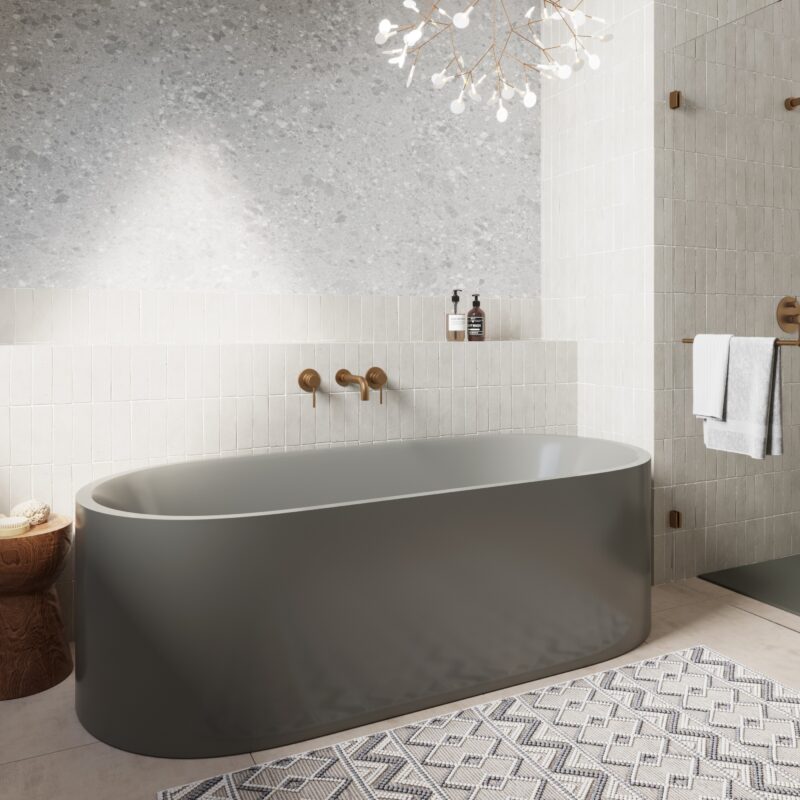
3D rendering is no longer limited to the visual strategy of marketing. The level of detail that comes with 3D rendering, along with animations, digital twins, accurate product views, 3D floor plans, coloured 2D plans, and more, makes it useful across a wider part of the marketing process.
These assets can support how a product or project is presented, explained, sold, and experienced by customers. They can also support sales teams, customer discussions, and different marketing channels.
3D rendering has therefore moved from being just the visual part of marketing to becoming a broader part of the marketing strategy.

