
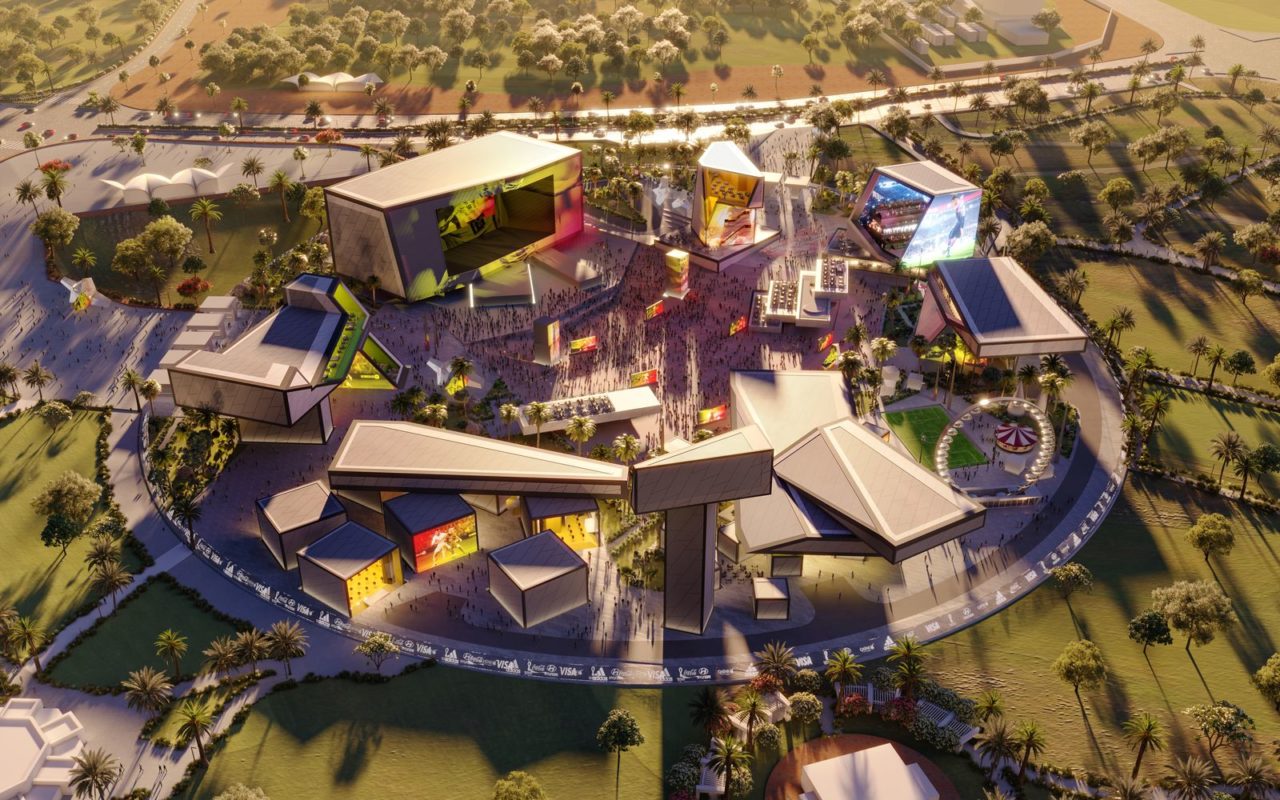
Dubai’s real estate market is moving fast, and developers are expected to present any mega-project face to three very different audiences at once. A government reviewer checking a permit application, an international investor deciding whether to commit from another country and the buyers standing in a sales gallery, trying to picture what a skyline will look like in three years. No single format, physical or digital, serves all three well. The real question for a developer isn’t which one to invest in. It’s which one belongs in front of which audience, at which stage of the project, and why swapping one for the other at the wrong moment actually costs something.
Where a Digital Model is the Only Real Option
Table of Contents
Some parts of a development process require a digital model, not because it’s more modern, but because there’s no physical substitute that works.
Dubai Regulatory approval
Dubai Municipality requires BIM (Building Information Modeling) models submitted in IFC (Industry Foundation Classes) format for qualifying projects, a mandate active since January 2024. This applies to large-scale and high-rise buildings (generally those over 20 floors architecturally or 40 floors structurally), projects exceeding roughly 20,000 to 30,000 square meters, specialized facilities like hospitals and universities, and government projects.
For developments that meet these thresholds, a physical model has no role in the approval process. The authority checks a structured digital model against defined data standards, not a scale replica on a table.
Technical iteration
Architects can test structural loads, run construction timeline simulations, and adjust spatial layouts in hours instead of days. None of this is realistic with a physical model, since testing a design change means rebuilding it by hand.
Reaching remote buyers
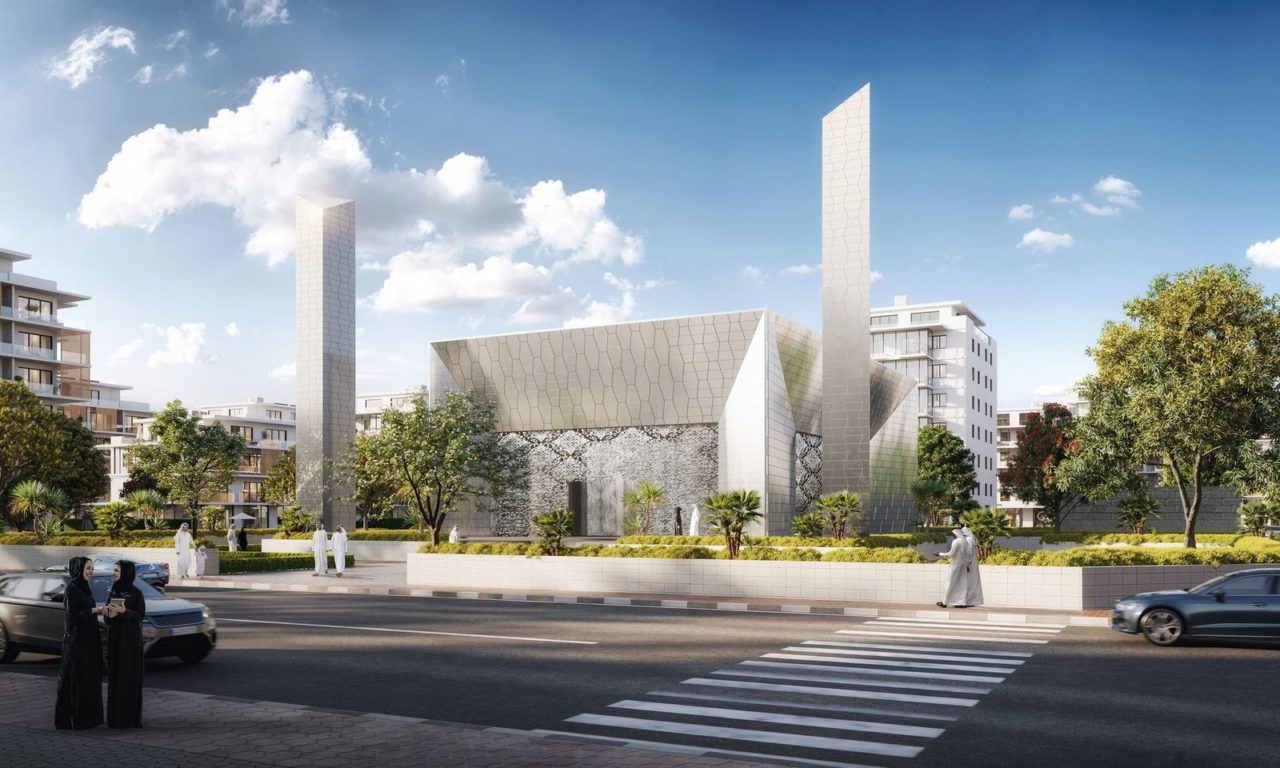
A significant share of Dubai’s real estate buyers are international investors making decisions from abroad. High-resolution 3D renderings and virtual walkthroughs let these buyers experience a project in detail before committing, something a physical model sitting in a Dubai showroom can’t offer someone reviewing a project from another country.
Where Physical Model Still Does Something Digital Can't
None of this makes physical models decorative leftovers from an earlier era. They still do specific work that digital tools haven’t replicated.
● Tactile engagement. Standing over a physical scale model gives a buyer or investor an instant, accurate sense of proportion and scale that’s harder to grasp from a screen. People can walk around it, view it from different angles, and point to specific areas while discussing details face to face.
● Emotional connection. Physical interaction at a launch event or investor presentation tends to build engagement and trust faster than a flat digital screen. There’s a reason luxury sales galleries in Dubai still center their presentations around a physical masterplan model rather than a projector.
● Public and stakeholder communication. Explaining a large, complex masterplan to government dignitaries or the general public at an exhibition is often easier with a physical model than with technical drawings or even a rendered video. A physical model reads instantly, without requiring the viewer to interpret camera angles or architectural notation.
What it Actually Costs to Pick Just One
A developer who skips physical models loses the sales-gallery centerpiece effect. It can be the kind of engagement that keeps a prospective buyer in the room longer, asking questions, building the confidence a flat presentation struggles to generate in the same amount of time.
A developer who skips digital models loses something just as concrete. On a qualifying project, that means no permit. And regardless of project size, it also means losing the international buyers who make up a real share of Dubai’s market and who will never see a physical model in person before deciding.
Neither gap is minor. The developers getting the most out of model making in Dubai aren’t choosing a side. They’re deploying digital where compliance, iteration, and remote reach matter most, and physical where trust, scale, and public clarity matter most, often within the same project.
Final Thoughts
The real skill here isn’t picking a winner between physical and digital model making. It’s knowing which one belongs in front of which audience, and being deliberate about using each one where it actually earns its place, rather than defaulting to one format out of habit or the other because it feels more modern.
At Render Atelier, this is the same principle we bring to our own architectural rendering and visualization work. We match the format to the audience and the moment, rather than assuming one approach fits every stage of a project.
FAQ’s
Is a physical model still required for Dubai Municipality approval, or only digital BIM?
Only digital BIM models in IFC format are required for the municipality’s approval process on qualifying projects. Physical models play no role in that specific regulatory step, though they’re still commonly used elsewhere in a project’s marketing and sales process.
Can a digital walkthrough fully replace a sales gallery model?
Not entirely. Digital walkthroughs are effective for remote buyers and for showing interior detail, but many developers find that a physical model still creates stronger engagement and trust in an in-person sales setting.
How early in a project should a developer commit to building a physical model?
Typically once the masterplan and key design details are finalized enough to avoid costly rebuilds, often timed to align with a sales gallery launch or a major investor event rather than very early design stages.
Does a project that doesn't meet the BIM mandate thresholds still benefit from a digital model?
Yes. Even outside the mandatory scope, digital models still speed up design iteration and give remote or international buyers a way to preview a project, so many developers use them regardless of whether the project legally requires one.
Do physical models cost significantly more than digital ones to produce?
Generally yes, since physical models involve materials, skilled fabrication, and longer lead times, while digital models can be revised quickly at low incremental cost. Most developers treat this as a worthwhile investment for flagship sales moments rather than a routine expense.
What types of projects use 3D rendering services in the USA?
3D rendering services in the USA are used across residential, commercial, hospitality, retail and real estate projects for design visualization, presentations and marketing.

