
Before hiring a studio, check its experience with interiors like yours, how it handles your brief, what its quote includes and how it manages revisions and deadlines. These checks can help you choose 3D interior rendering services that suit your project, budget and intended use.
1. Choosing a Studio by Its Best Image
Table of Contents
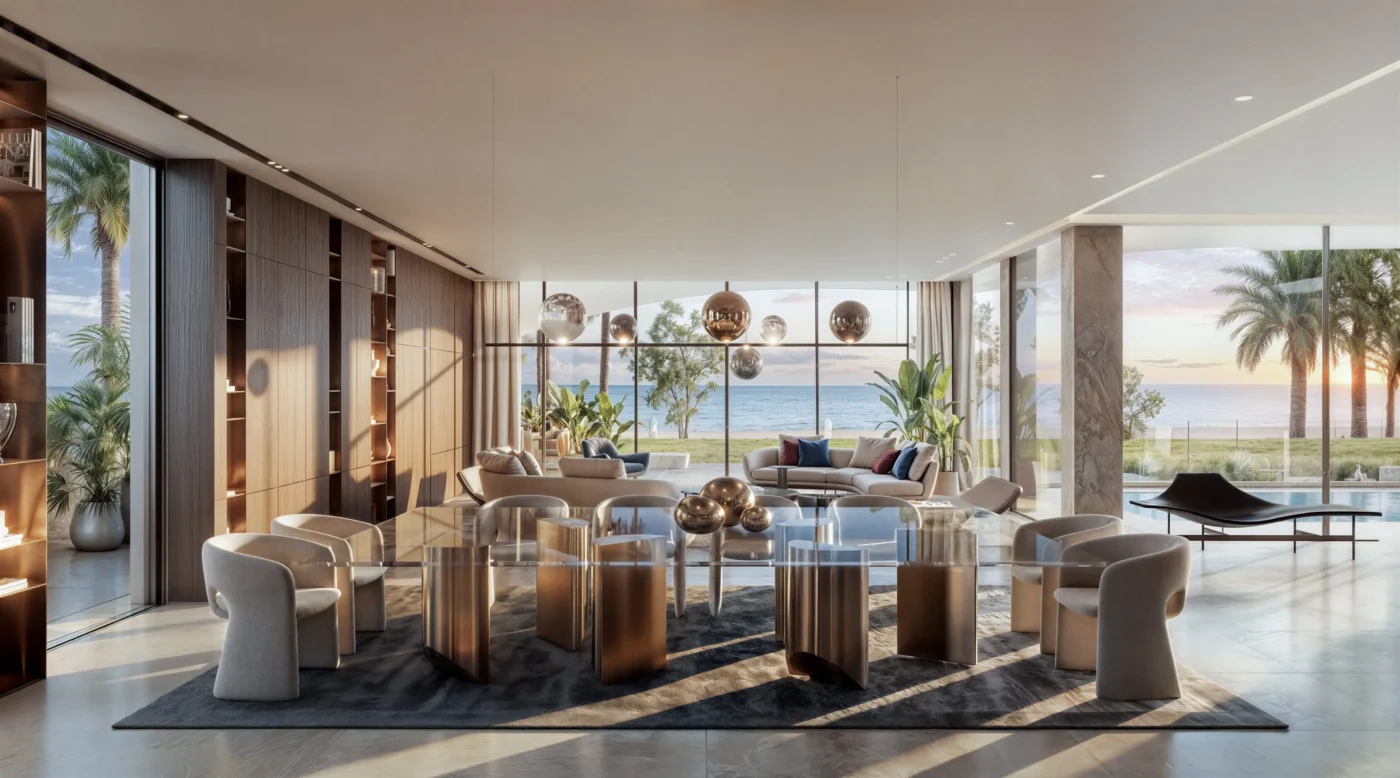
A striking interior portfolio image may look impressive, but it does not show how well a studio handles your type of space. A team experienced in large hotel lobbies may take a different approach to a compact apartment.
Review several images from the same project. Check whether the rooms, furniture, finishes and lighting look consistent. Ask what work the studio completed and whether it has examples similar to yours.
Before choosing an interior rendering firm, ask:
- Have you worked on spaces like mine?
- Can I see several views from one project?
- Can you show examples created for a similar audience?
Choose a studio based on relevant work and clear communication, as well as visual style.
2. Sending an Incomplete Brief
A mood board can show the style you like, but it cannot provide the measurements or design information needed to create an accurate image.
If the studio has to guess the ceiling height, furniture size or finish, the first draft may not match your design. Gather the latest project information before work begins:
- Floor plans and room dimensions.
- Elevations or joinery drawings.
- Material and colour references.
- Furniture and lighting selections.
- Existing photographs or 3D models.
- Notes on what is final and what may change.
Also explain the purpose of the images. A design review may need to show storage, circulation and joinery clearly. A marketing image may need to convey the room’s atmosphere and how people might use it.
A clear brief helps the studio understand what matters most and reduces avoidable changes later.
3. Comparing Quotes by Price Alone
Two quotes may appear to cover the same room but include different amounts of work. One may include modelling, furniture, three views and revision rounds. Another may cover just one image using a model you provide.
When comparing 3D interior design rendering services, check what each proposal includes:
| Check | Confirm before agreeing |
|---|---|
| Views | Number of final images |
| Modelling | Whether the studio creates the model or you need to provide the model |
| Detail | Furniture, decor and custom joinery included |
| Revisions | Number of free revision rounds and what they cover |
| Delivery | File formats, image size and deadline |
| Extras | Costs for new views or design changes |
Ask whether taxes, urgent delivery or additional material options affect the quoted price. A detailed proposal makes it easier to compare the full scope of work.
4. Not Checking Materials and Lighting
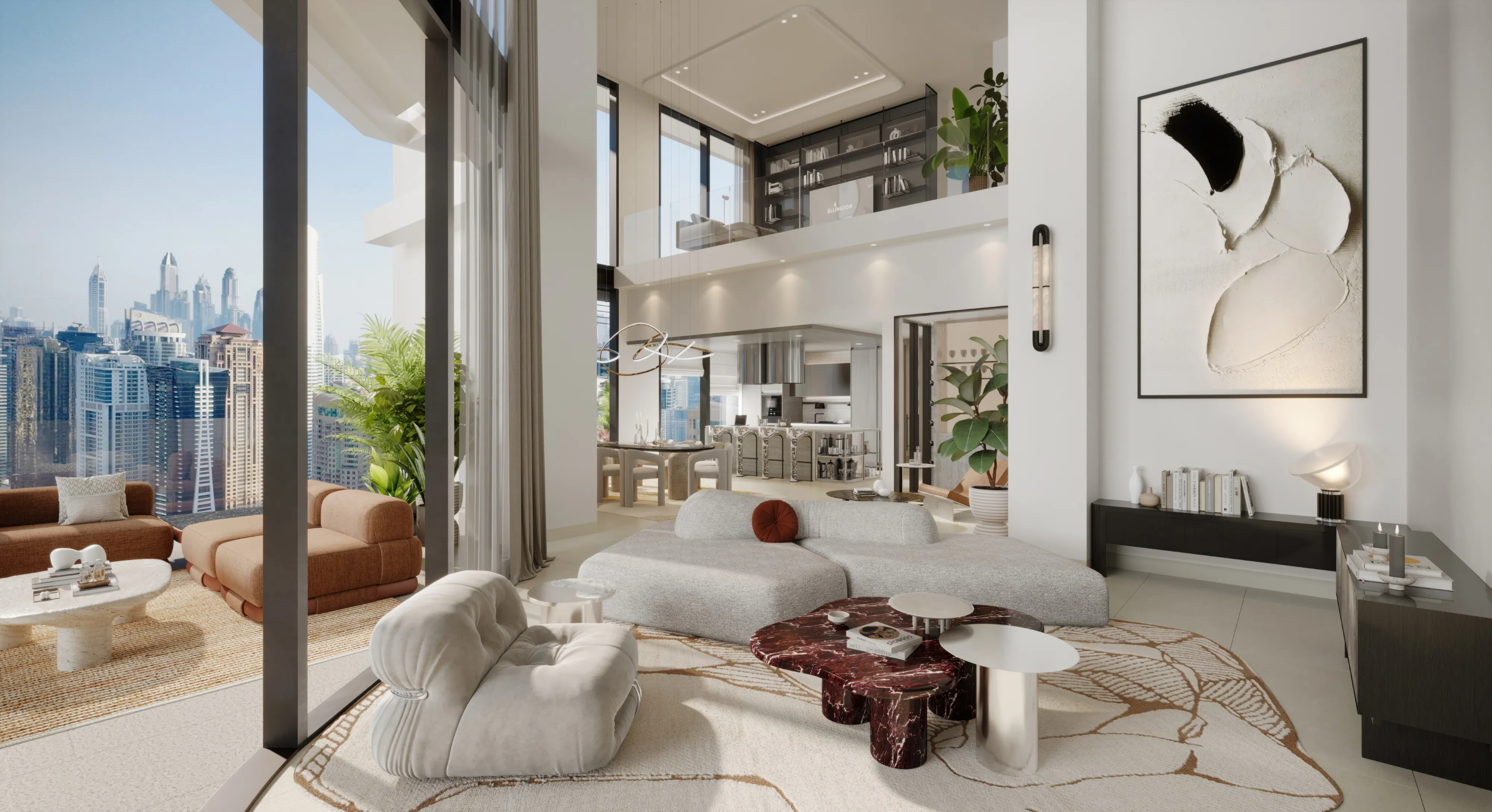
Materials can look different on screen depending on their texture, the lighting and the viewpoint. Pale wood may appear too yellow, a dark wall may lose detail, or a glossy surface may reflect too much light.
Give the studio clear references for important finishes. These could include product links, sample photographs, colour codes or images of the actual material. Ask how the team will show daylight and artificial lighting.
During review, check:
- Do the materials look close to the references?
- Are the room’s main features easy to see?
- Does the lighting suit the intended use of the space?
- Are reflections and shadows distracting?
- Do the finishes look consistent across the images?
Interior visualisation is most useful when the images help people understand the design. If a finish or lighting choice is important to the decision, tell the studio before it prepares the final images.
5. Choosing Camera Angles Without a Purpose
A room can be rendered beautifully and still leave the viewer unsure about its layout. A close view of a dining table may not show how the dining area connects to the kitchen. A bedroom view may hide the wardrobe or window.
Choose camera angles according to what the audience needs to see. A living room might need:
- A main view showing the overall layout
- A second angle showing the entrance and circulation
- A detailed view of custom cabinetry or materials
Tell the studio where you will use the images. Website banners, brochures, presentations and social media posts may need different image shapes and compositions. Agree on the number of views, orientation and file sizes in advance.
6. Assuming Revisions Are Unlimited
The word “revisions” can mean different things. Correcting a finish that differs from the approved sample is different from changing the room layout after the first draft.
Ask the studio to explain:
- How many revision rounds are included
- What changes each round covers
- How changes to the original brief are priced
- Who should collect and send feedback
Choose one person to coordinate comments from your team. Send clear, specific notes, such as “replace the dining chairs with the model in the reference image” or “show more of the window wall”.
A structured review process helps the studio act on feedback and keeps the project moving.
7. Overlooking Deadlines and Delivery Terms
A final delivery date is only one part of the schedule. The project also needs time for the studio to prepare previews, receive comments and make agreed changes.
Ask for a timeline that includes:
- The date for the first preview
- Your feedback deadline
- The date for revised images
- Final delivery
- Any additional time needed for extra views
Confirm which file formats and image sizes you will receive. If you need editable project files, ask whether they are available and whether they cost extra.
Clarify where you can use the finished images, such as on your website, in a brochure or in advertising. Also ask whether the studio may display the project in its portfolio.
Final Thoughts
The right 3D interior rendering services should suit your project and help the intended audience understand the design. Review relevant work, prepare a clear brief and agree on views, revisions, deadlines and image-use terms before production begins.
FAQ’s
How do I choose an interior rendering firm?
Review relevant interior projects, ask how the studio handles briefs and feedback, and compare proposals by their deliverables, schedule and revision terms.
What should I provide for 3D interior rendering?
Share current plans, room dimensions, material references, furniture selections and the required camera views. Identify any details that are still undecided.
How many interior renders should I order?
Choose enough views to explain the room’s layout and important design features. The number depends on the project and where you plan to use the images.
Can I request changes after seeing the first draft?
Usually, yes. Confirm how many revision rounds are included and how the studio charges for changes outside the agreed brief.

