
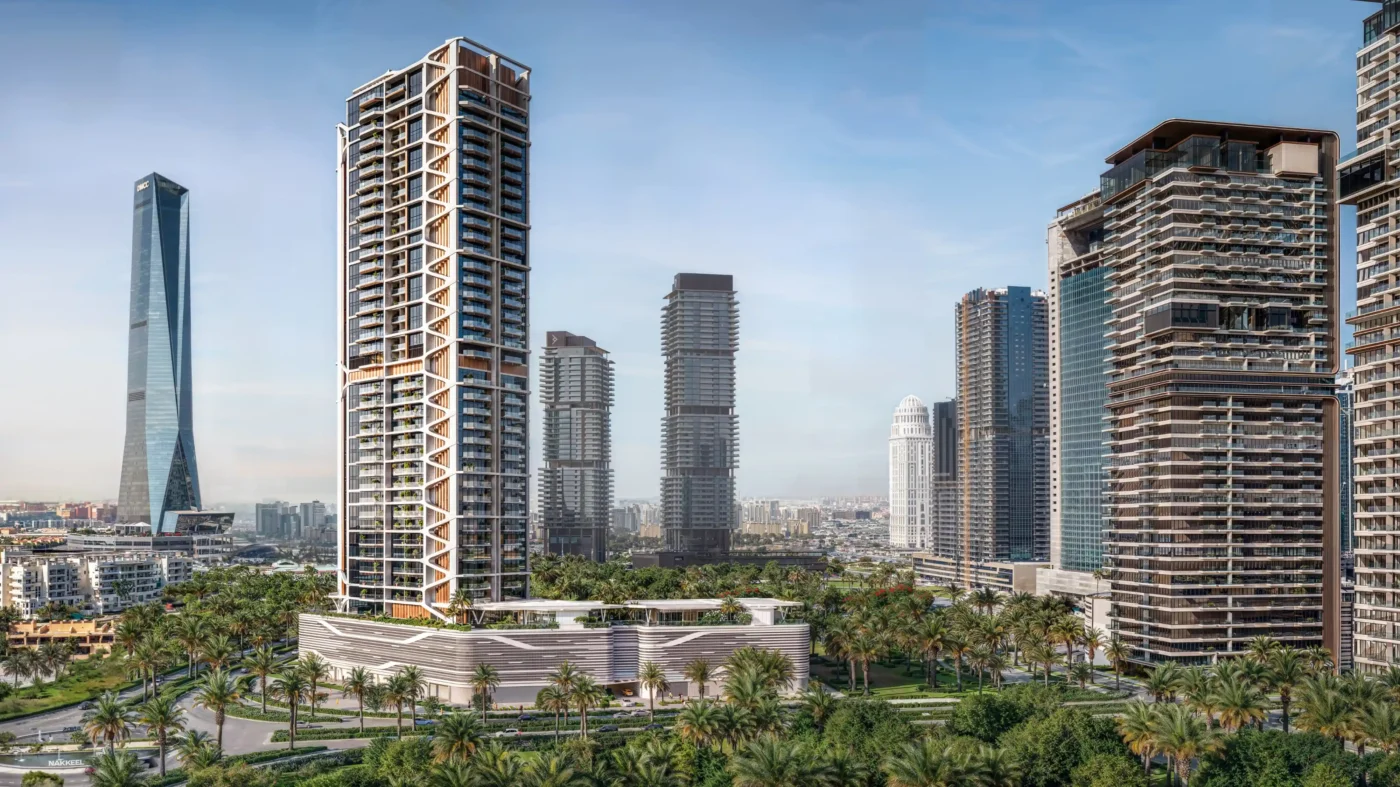
Exterior 3D visualization is the process of producing realistic 3D images of the exterior of a building using the architectural drawings, elevations, materials, and design details. It’s a way of showing the exterior of the property (the front, the balconies, the windows, the landscaping, and the surroundings) prior to construction.
Daytime and nighttime renderings show the same property in different lighting. Daytime images highlight the building’s details and natural surroundings, while nighttime images focus on exterior lighting and atmosphere. Knowing the difference helps developers, architects, and real estate agents choose the right visuals for marketing.
What Is Daytime Exterior Rendering?
Table of Contents
Daytime exterior rendering shows a building under natural sunlight, highlighting its architecture, materials, landscaping, and surroundings. It helps buyers understand the property’s design and overall appearance.
Key Features of Daytime Rendering
- Architectural Details: Highlights facades, windows, balconies, and structural elements.
- Exterior Materials: Shows textures and finishes such as stone, glass, wood, and concrete.
- Landscaping: Presents gardens, trees, lawns, and pathways.
- Natural Lighting: Shows sunlight, shadows, and their effect on the building.
- Surroundings: Displays nearby roads, buildings, and open spaces.
Daytime visuals help buyers understand the building’s design, exterior finishes, and surroundings. They are useful for property brochures, websites, advertisements, and online listings.
What Is Nighttime Exterior Rendering?
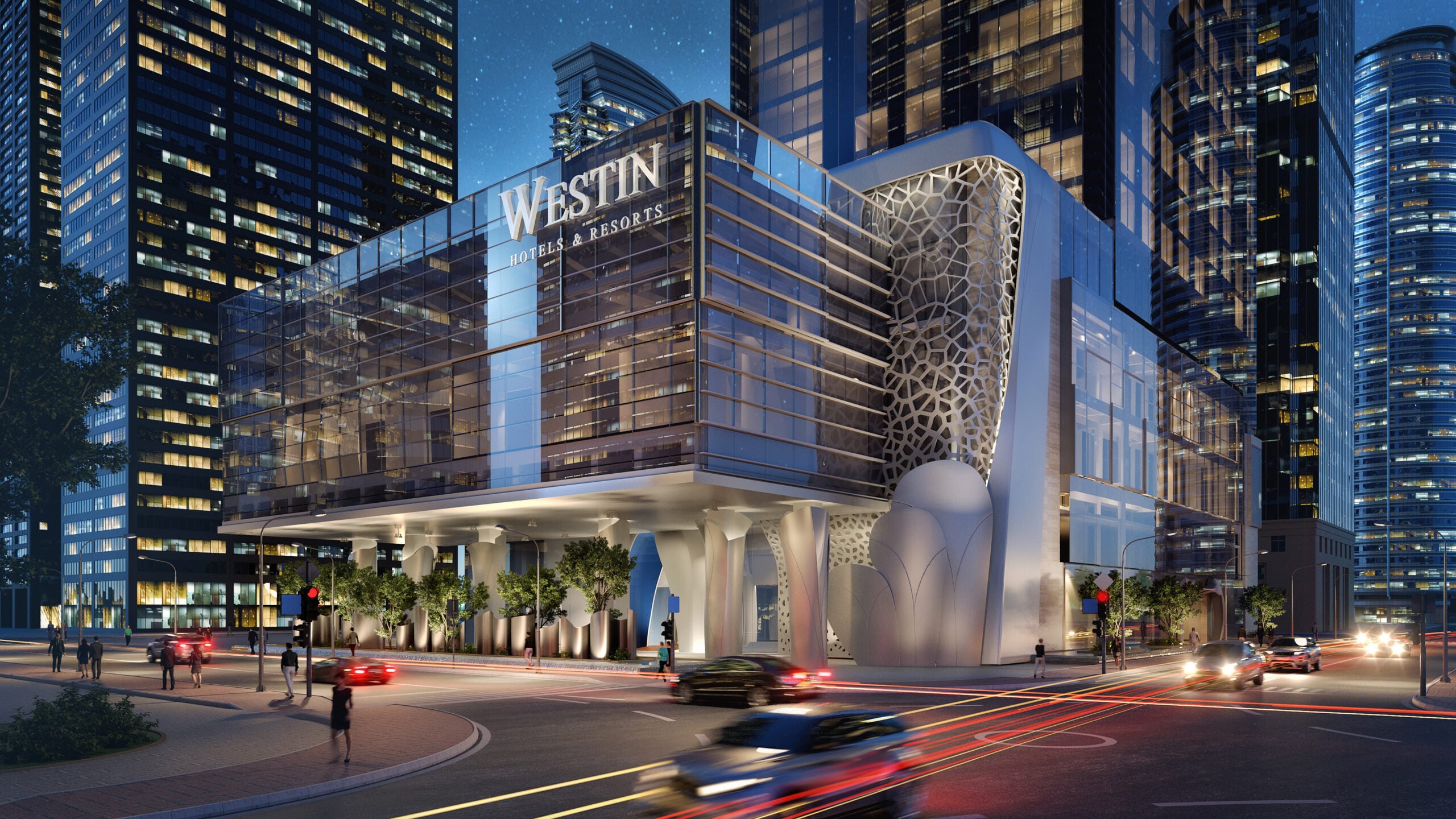
Nighttime exterior rendering presents a building in evening conditions, highlighting its appearance through carefully designed artificial lighting.
Key Features of Nighttime Rendering
- Facade Lighting: Highlights architectural features with exterior lights.
- Window Illumination: Shows the effect of illuminated windows.
- Landscape Lighting: Highlights gardens, pathways, and outdoor spaces.
- Entrance Lighting: Draws attention to entrances and access points.
- Ambience: Creates a warm and welcoming atmosphere.
Nighttime visuals showcase a property’s lighting design and evening appearance. They are especially useful for marketing luxury apartments, villas, hotels, and commercial buildings, helping buyers imagine the property after sunset.
What Are the Main Differences Between Day and Night Rendering?
Both rendering styles present the same architectural design, but they communicate different aspects of the property.
| Comparison | Daytime Rendering | Nighttime Rendering |
|---|---|---|
| Lighting | Natural sunlight | Artificial exterior and interior lighting |
| Main focus | Architecture and exterior details | Lighting design and ambience |
| Materials | Shows natural colours and textures | Shows how materials appear under artificial light |
| Landscaping | Highlights greenery and open spaces | Highlights illuminated gardens and pathways |
| Atmosphere | Bright, open, and natural | Warm, dramatic, and inviting |
| Marketing purpose | Explains the building’s design | Creates visual appeal and highlights lighting features |
No single style is best for every situation. The right choice depends on the property’s design, the target audience, and what the marketing team wants to show.
How Are Exterior 3D Renderings Created?
Creating realistic exterior visuals involves several stages. Each step helps ensure that the final image accurately represents the proposed building.
- Collecting Design Information: The process begins with architectural drawings, floor plans, elevations, material specifications, and reference images. These documents help the visualization team understand the building’s design.
- Creating the 3D Model: A three-dimensional model is created using the supplied architectural information. This stage establishes the structure, proportions, windows, balconies, and other exterior elements.
- Applying Materials and Textures: Suitable materials are added to walls, roofs, windows, flooring, and other surfaces. Their colours, patterns, and finishes were adjusted to match the proposed design.
- Setting Up Lighting: For daytime renders, natural sunlight and shadows are adjusted. For nighttime visuals, artificial lights are placed around the facade, entrance, windows, and landscape.
- Adding the Surrounding Environment: Trees, plants, roads, pathways, vehicles, and other surroundings are included to make the visual more complete.
- Final Rendering and Refinement: The scene is processed to produce the final image. Adjustments are made to lighting, shadows, materials, reflections, and other details to improve realism.
Where Are Real Estate 3D Exterior Renderings Used?
Real estate 3D exterior rendering is useful across different property types and marketing activities.
| Property Type | How Exterior Visuals Help |
|---|---|
| Residential Apartments | Showcase building facades, balconies, entrances, and shared outdoor spaces. |
| Independent Villas | Highlight architectural styles, gardens, driveways, and private outdoor areas. |
| Commercial Buildings | Present office exteriors, entrances, glass facades, and parking areas. |
| Hotels and Resorts | Display landscaping, outdoor amenities, swimming pools, and exterior lighting. |
| Large Residential Projects | Help communicate the overall development, building arrangement, and surrounding facilities. |
These visuals can be used on property websites, brochures, social media campaigns, digital advertisements, presentations, and sales materials. They help maintain a consistent visual presentation across different marketing channels.
How Can Day and Night Renderings Improve Property Marketing?
Day and night renderings serve different purposes in property marketing. Using them together gives potential buyers a better understanding of the building’s appearance in different lighting conditions.
- Showcase the Property’s Design: Daytime views highlight the building’s architecture, exterior materials, landscaping, and surroundings
- Highlight Lighting Features: Nighttime views bring attention to illuminated facades, windows, entrances, and outdoor spaces
- Create a Stronger Visual Impact: Different lighting conditions add variety to marketing materials and make property presentations more engaging
- Help Buyers Visualise the Property: Both views allow buyers to understand how the building looks throughout the day and evening
For real estate projects, combining daytime and nighttime renderings creates a more complete visual presentation. It helps communicate both the architectural design and the property’s overall atmosphere.
Final Thoughts
Exterior 3D visualization helps transform architectural designs into realistic property visuals that buyers can understand and connect with. Daytime renders highlight the building’s structure, materials, and surroundings, while nighttime renders showcase its lighting and atmosphere. Using both views can create a more complete property presentation and support effective real estate marketing.
FAQ’s
What is exterior 3D visualization used for?
It is used to create realistic digital views of a building’s exterior before construction. It helps architects, developers, and buyers understand the proposed design.
What is the main difference between day and night exterior rendering?
Daytime rendering uses natural sunlight to highlight architectural details and surroundings, while nighttime rendering uses artificial lighting to showcase illuminated features and ambience.
Can day and night views be created for the same property?
Yes. Both views can be developed using the same 3D building model by adjusting the lighting, environment, and scene settings.
What information is required to create exterior 3D renderings?
Architectural drawings, elevations, floor plans, material references, landscaping details, and preferred camera angles are commonly required.
How do 3D exterior renderings help in real estate marketing?
They help potential buyers visualise a property before construction, understand its design, and develop a clearer impression of the completed project.

