
A property development may need several types of 3D visuals before it goes to market, from exterior views and interior scenes to amenities and landscaping. But creating every visual at once can quickly increase the rendering budget.
This raises a practical question: Should developers invest in exterior or interior rendering first?
Both play an important role in presenting a project, but the right priority depends on the development and its immediate goals. Knowing where to spend first can help developers get more value from their visualization budget without commissioning unnecessary renders.
This guide compares 3D exterior and interior rendering and outlines a practical way to decide where the budget should go first.
What Is the Difference Between 3D Exterior and Interior Rendering?
Table of Contents
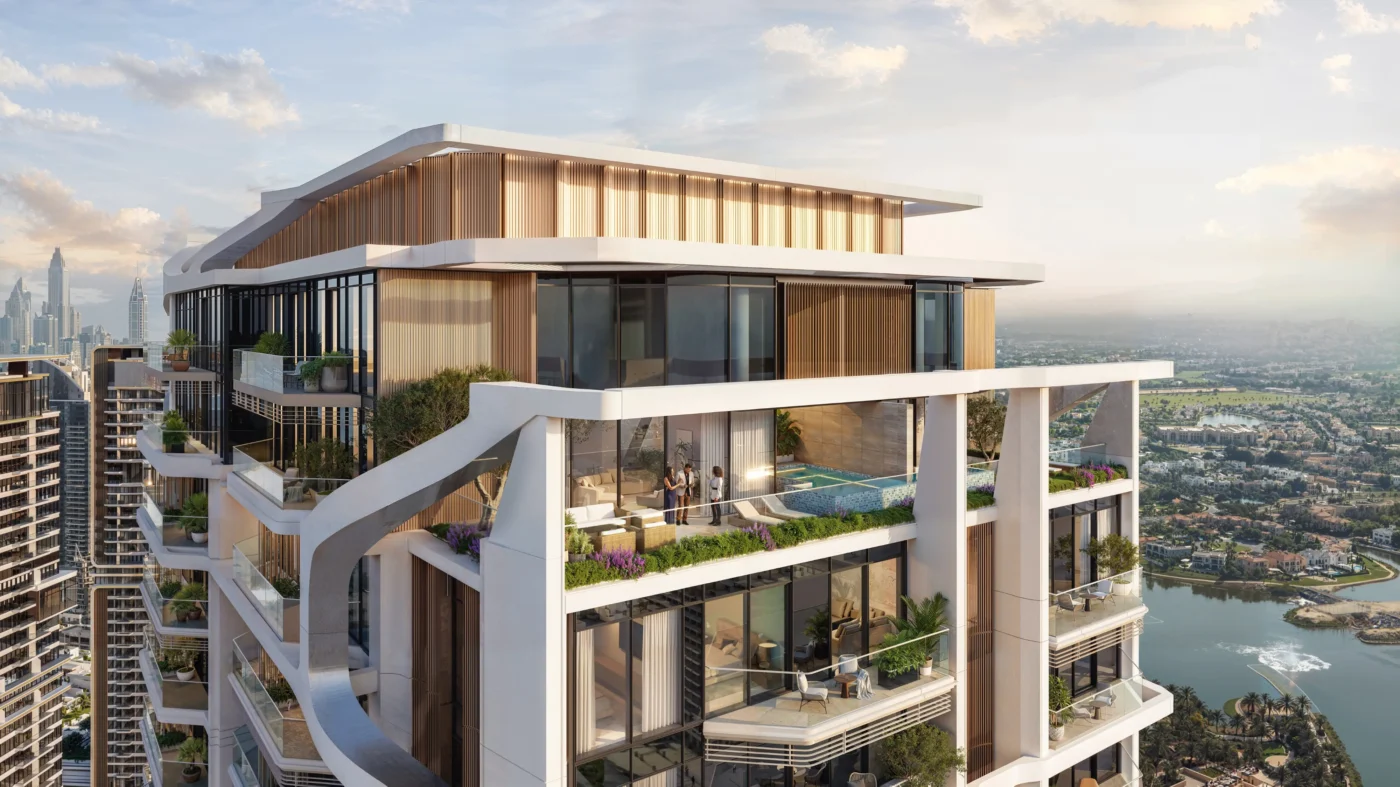
3D exterior rendering shows a property’s architecture from the outside. It presents the building facade, entrances, landscaping, surrounding environment, lighting, and other elements that shape the project’s overall appearance.
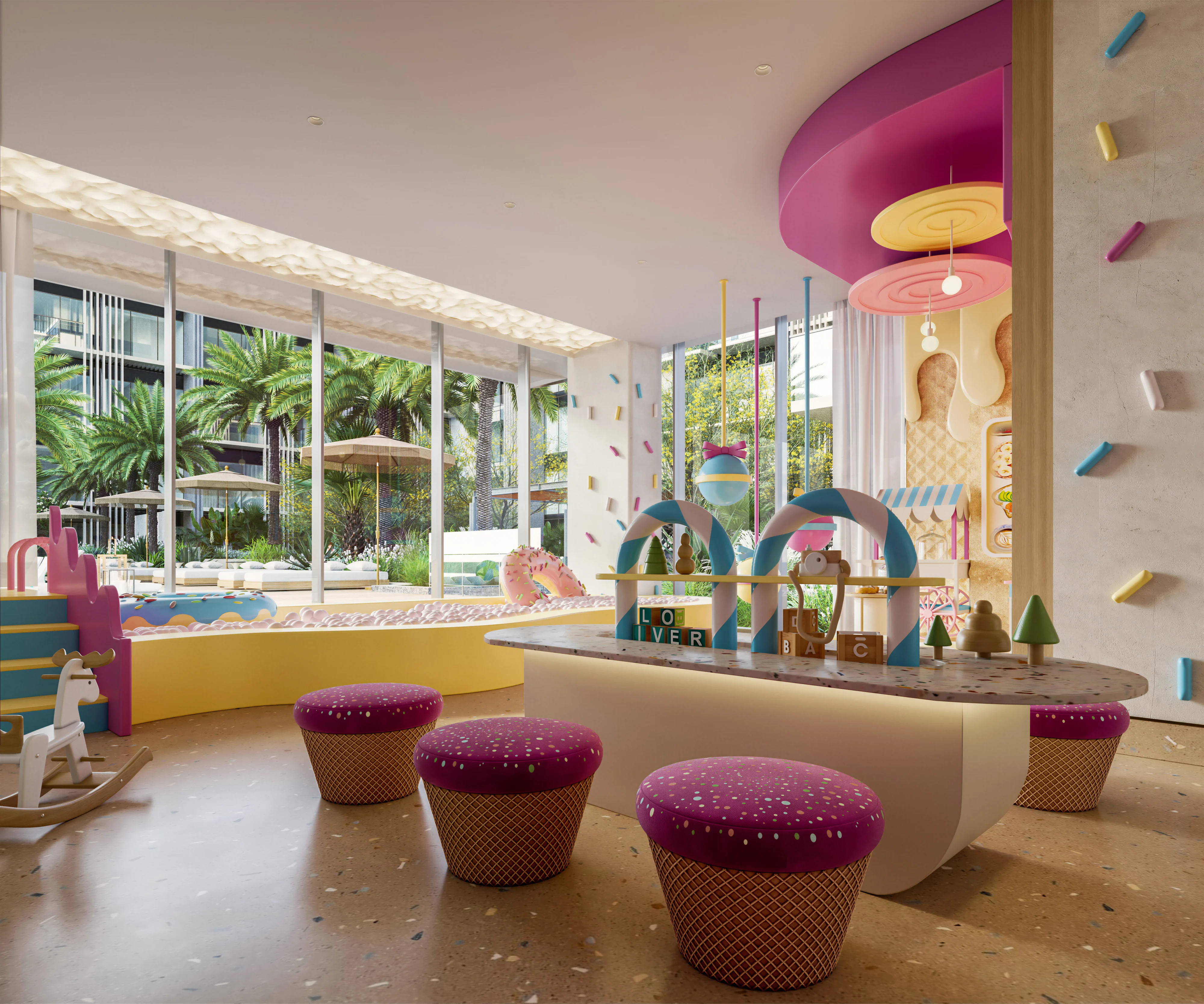
3D interior rendering focuses on the spaces inside the property. It shows elements such as room layouts, furniture, materials, finishes, lighting, fixtures, and décor. These visuals help prospective buyers understand how the space may look when completed.
The main difference is simple: exterior rendering presents the property as a whole, while interior rendering focuses on the spaces within it.
5 Factors That Should Determine Your Rendering Budget
1. Project Stage
The stage of development affects what buyers and stakeholders need to see. During the early stages of a project, the building may exist only as architectural plans or a concept. Exterior renderings can help turn that concept into a visual representation of the finished development.
As the project moves toward sales, specific interiors may become more important. Buyers may want to understand the layout, finishes, furniture arrangements, or lifestyle associated with a particular unit.
The rendering requirement can therefore change as the project progresses. Developers should avoid treating visualization as a one-time decision made at the beginning of the project.
2. Target Buyer
Different buyers look for different information. An investor evaluating a large development may first want to understand the project’s scale, architectural character, and overall positioning. A homebuyer choosing between apartment types may care more about the layout, interiors, finishes, and functionality of the space.
The important question is simple: What does your target buyer need to see before they can seriously evaluate the property?
3. Primary Selling Point
Every development has features that carry more weight in its marketing. For some projects, the architecture itself creates differentiation. A distinctive facade, dramatic entrance, landscaped setting, or unusual building form may deserve strong exterior visualization.
For others, the main attraction lies inside. Premium finishes, carefully designed living spaces, large kitchens, luxury bathrooms, or well-planned amenities may have a greater influence on the buyer.
Your first renders should support the feature that gives the project its strongest visual selling point.
4. Marketing Objective
The purpose of the render also affects where the budget should go. A developer preparing for a project launch may need a strong hero image that introduces the development. A sales team presenting different apartment configurations may need interior visuals instead.
The intended use could include a website, brochure, investor presentation, property listing, advertising campaign, or sales presentation. Each application may require different views.
Planning the rendering budget around the marketing objective helps prevent spending money on images that have little practical use.
5. Existing Visual Assets
Developers should also consider what they already have. For example, a project may already have strong exterior visuals from an earlier design stage but have no interior imagery for its sales campaign. Creating more exterior views in that situation may add less value than producing the interiors buyers still need to see.
The same principle works in reverse. If detailed interior visuals already exist but the development lacks a strong image showing the completed exterior, the next budget allocation may be better spent outside.
When Should Developers Prioritize Exterior Rendering?
● New Development Launches: Exterior renders give buyers a clear view of a project before construction is complete. They can also serve as key visuals for launch campaigns and marketing materials.
● Pre-Construction Projects: When there is no finished building to photograph, exterior renderings show buyers what the completed property is expected to look like.
● Architecture-Led Developments: If the facade, entrance, landscaping, or architectural design is a major selling point, exterior renders can showcase these features clearly.
● Large Residential or Mixed-Use Developments: Exterior views can show the relationship between buildings, landscaping, amenities, and the surrounding environment.
● Investor Presentations: Exterior renders provide a quick visual overview of the project’s scale, design, and overall appearance.
Prioritize exterior rendering when buyers first need to understand what the development will look like.
When Should Developers Prioritize Interior Rendering?
● Luxury Residential Projects: Interior renders can showcase premium materials, furniture, lighting, and finishes before the property is completed.
● Projects With Premium Finishes: When interior details are a key selling point, rendering can show how different materials and finishes work together.
● Developments With Multiple Unit Types: Developers can render representative layouts instead of every unit, helping buyers understand the available spaces while controlling costs.
● Lifestyle-Focused Properties: Living rooms, kitchens, bedrooms, and other key spaces can show how the property may look and function in everyday use.
● Amenity-Led Developments: If amenities are central to the project’s appeal, rendering spaces such as lounges, gyms, clubhouses, or rooftop areas can help communicate their value.
Prioritize interior rendering when buyers need to understand what the space will look and feel like from the inside.
How Should Developers Allocate a Limited 3D Rendering Budget?
A limited rendering budget should focus on the most useful visuals, not the highest number of images.
Start With the Highest-Impact Visual
Begin with the render that best supports the project’s immediate marketing goal. This could be a hero exterior, a key interior, or a major amenity.
Create a Core Set of Renders
Build a small set that covers the project’s main selling points. For example:
● One key exterior
● One representative interior
● One important amenity
Add Renders Based on Need
Use the remaining budget for visuals that support specific sales or marketing needs, such as another unit type, interior, exterior angle, or masterplan.
Choose Representative Spaces
There is no need to render every room or unit. Select spaces that represent the project’s most important designs and features.
Plan for Multiple Uses
Choose renders that can work across websites, brochures, presentations, social media, and advertising. This can increase the value of each image.
Adjust the Budget as the Project Moves Forward
Rendering priorities can change as the project moves from launch to sales. Review the next visual need before commissioning additional renders.
Final Thoughts
The best rendering investment is not always the one that produces the most images. It is the one that supports the project’s immediate needs and helps present its strongest features clearly.
For developers working with a limited budget, starting with the right visuals can make the entire rendering process more focused and effective. As the project moves forward, the visual strategy can grow with it.
FAQ’s
Should developers choose exterior or interior rendering first?
It depends on the project’s needs. Exterior rendering is better starting point for project launches and architecture-focused developments, while interior rendering may take priority for luxury or interior-led properties.
How should developers plan a 3D rendering budget?
Start with the visuals that support the project’s most important marketing goal. Build a core set of essential renders first, then add more based on sales requirements, unit types, amenities, and available budget.
Do developers need both exterior and interior 3D renders?
Not always at the same stage. Developers can prioritize one type first and add the other as the project moves forward or as new marketing needs arise.
How many 3D renders does a property development need?
There is no fixed number. The required quantity depends on the project’s size, unit types, marketing goals, amenities, and the visual assets already available.
Can 3D renders be used for different marketing channels?
Yes. Well-planned renders can be used across websites, brochures, presentations, social media, property listings, and digital advertising.

