
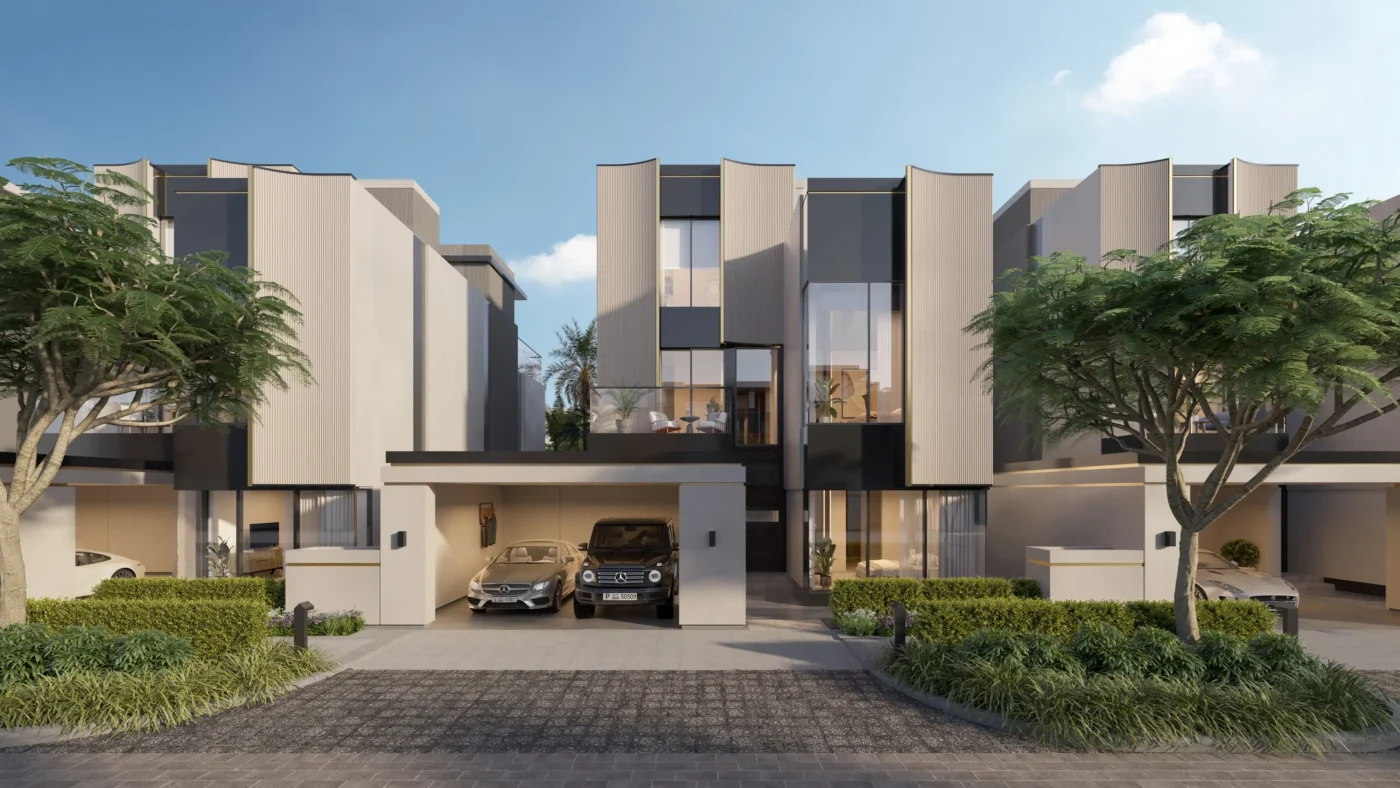
Real estate developers spend millions bringing a project from concept to completion. But one decision is often overlooked: how the project will be presented before it is built.
Poor architectural rendering can make a property difficult to understand and harder to sell. It can leave buyers unsure about the space, reduce confidence in the project, and make premium pricing more difficult to justify.
These problems may seem small at first. But when sales slow down, or decisions are delayed, the costs can quickly add up. So, where are developers losing money because of poor visualization, and what can they do about it?
Where Do Bad Visualization Decisions Cost Real Estate Developers Money?
Table of Contents
1. Choosing Budget CGI Over Photorealistic Rendering
A low-cost render can show what a building may look like, but it may not capture its quality, details, or overall feel.
Poor lighting, unrealistic textures, repetitive landscaping, incorrect proportions, and artificial-looking people can make even a well-designed property look less convincing. This can affect how buyers perceive the quality and value of the development.
This matters even more when selling a property before construction is complete. Buyers cannot walk through an unfinished apartment, villa, hotel, or commercial space, so they rely on the visuals to understand what the finished property could look and feel like. That is why photorealistic rendering is important to give buyers a more realistic view of the proposed property and help them make a more informed decision.
2. Over-Relying on 2D Floor Plans
Floor plans show important details such as room sizes, layouts, doors, and windows. But they do not always help buyers picture how the finished space will look and feel.
A 2D drawing requires buyers to imagine the space in three dimensions. This can be difficult, especially when they cannot visit the property before construction.
3D interior rendering makes the space easier to understand. It shows furniture, materials, lighting, colours, and how different areas connect.
Using 3D renders along with floor plans gives buyers a clearer idea of the finished property and helps them make decisions with greater confidence.
3. Ignoring Immersive 3D Virtual Tours
Static renders show a property from selected viewpoints, but they cannot give buyers a complete sense of the space.
A 3D virtual tour lets buyers explore the property and move between different rooms and areas. This makes it easier to understand the layout, space, and overall experience.
Virtual tours are especially useful for:
● Luxury residences
● Villas
● Apartment developments
● Commercial properties
They are also useful for reaching buyers who cannot visit the site, including international investors and remote buyers. For pre-construction projects, a virtual tour can give these buyers a way to explore the property before it is built.
The Financial Impact: Why Small Visualization Savings Can Become Larger Project Costs
The cost of good visualization is easy to see in a project budget. The cost of poor visualization often appears later.
If poor visuals make buyers hesitate, sales can take longer. A longer sales period can increase marketing costs, loan interest, and other project expenses.
For example, imagine a residential project worth $50 million. If slower sales add $100,000 in monthly project costs, a three-month delay could add $300,000 to the total cost.
Of course, visualization is not the only factor that affects sales. Pricing, demand, location, interest rates, and market conditions also play a role.
The key point is simple: saving a few thousand dollars on visualization may not be worth it if poor visuals contribute to slower sales and higher project costs.
For developers, the better comparison is not the cost of rendering versus no rendering. It is the cost of good visualization versus the potential cost of slower sales, delayed decisions, and longer project timelines.
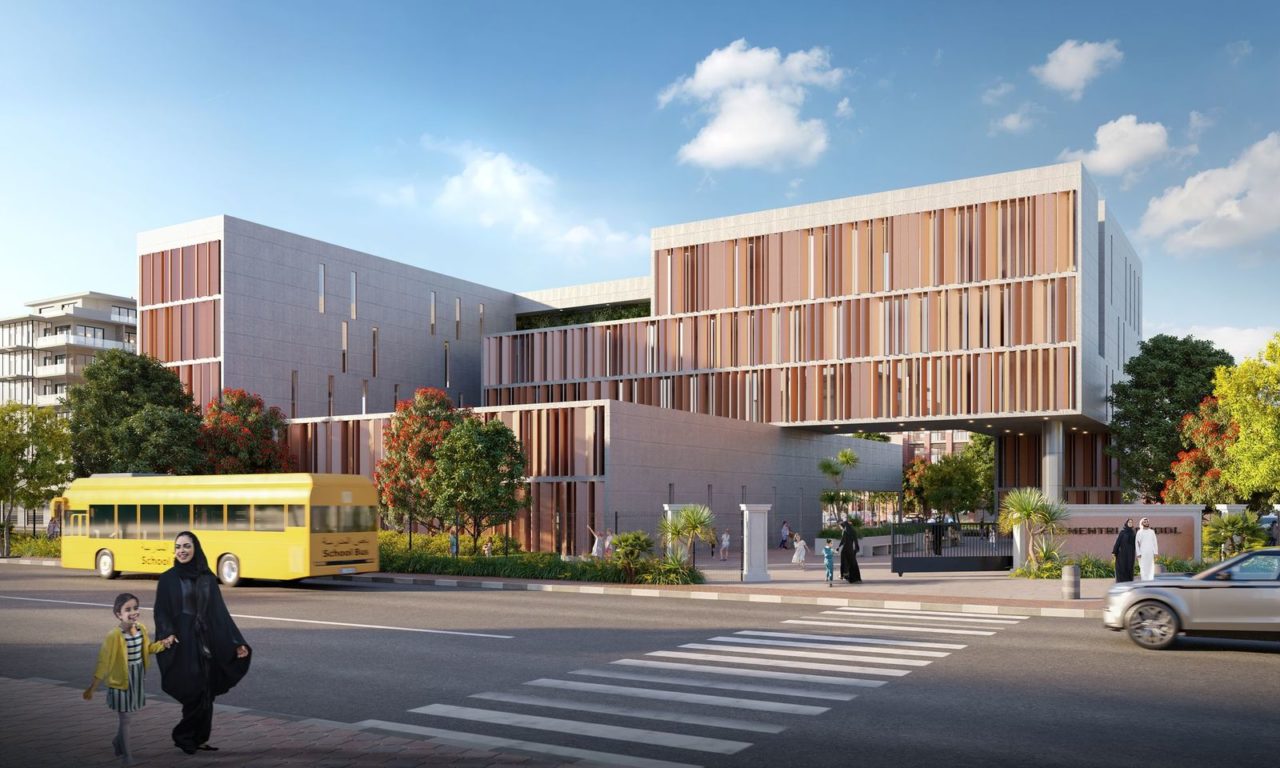
Can High-End 3D Architectural Rendering Deliver a Strong ROI?
There is no universal ROI figure for architectural visualization because the financial outcome depends on factors such as project value, market conditions, pricing, audience, sales cycle, visualization quality, and how the assets are deployed.
However, the potential return can extend beyond direct sales.
High-quality visualization can create value by helping developers:
● Market properties before completion
● Communicate designs more clearly
● Reach remote buyers
● Support premium positioning
● Reduce uncertainty around unbuilt spaces
● Create reusable marketing assets
● Support sales presentations
● Improve the digital buyer experience
For a high-value development, even a modest improvement in sales velocity or a reduction in project delays can make the visualization investment relatively small compared with the financial exposure of the overall project.
Final Thoughts
Good visualization is not just about making a property look attractive. It helps developers present the project clearly and give buyers a better understanding of what they are considering.
Photorealistic 3D rendering, interior and exterior visualization, and virtual tours can make an unbuilt property easier to explore and evaluate.
For developers, the goal is simple: show the project clearly, build buyer confidence, and make every visual asset work harder.
FAQ’s
What is the main benefit of 3D architectural rendering for developers?
3D architectural rendering helps developers communicate how an unbuilt property is expected to look and feel. It can support design reviews, investor presentations, pre-construction marketing, sales presentations, and buyer communication.
What is the difference between a 3D interior rendering and a 3D virtual tour?
A 3D interior rendering is a high-resolution static image showing an interior from a selected viewpoint. A 3D virtual tour provides an interactive environment that allows users to explore multiple areas of a property digitally.
Why are virtual tours useful for commercial real estate pre-leasing?
Virtual tours allow prospective commercial tenants to explore spaces before construction is complete. They can help tenants understand layouts, circulation, workspace potential, and the relationship between different areas without requiring an immediate physical visit.
Can 3D visualization help sell properties before construction?
Yes. 3D visualization allows developers to present the intended appearance and experience of a property before buyers can physically visit the finished space. This makes it particularly useful for pre-construction and off-plan marketing.
Should developers use both interior and exterior 3D rendering?
In most cases, yes. Exterior rendering communicates the building, façade, landscaping, and surroundings, while interior rendering focuses on rooms, materials, furniture, lighting, and spatial experience. Together, they provide a more complete picture of the proposed development.

