
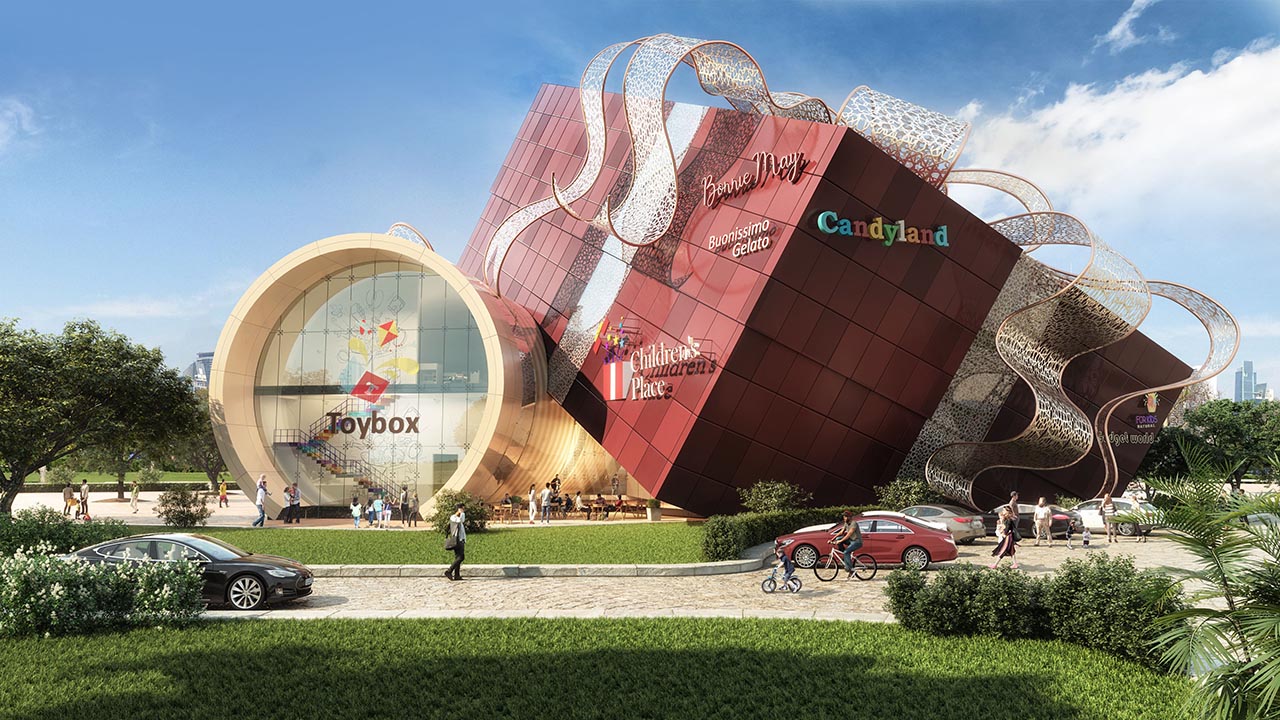
In 2026, a builder’s portfolio is not just a list of projects, their types or locations. It is a sales tool. Along with visuals, it builds trust through the clients and developers the builder has worked with, shows their capabilities through the types of projects they have delivered, and demonstrates their reliability through the quality of their work. Interactivity can take this further by allowing potential clients to explore the projects rather than simply view them.
This blog explores how builders can use CGI to create a more engaging and high-converting digital portfolio.
Give Under-Construction Projects a Place in Your Portfolio
Table of Contents
Considering that under-construction projects often do not hold the same place in a portfolio, this can become a missed sales touchpoint for a builder. If a builder is confident about the structure they are going to build and trusts the rendering studio with the capability to visualise the exact vision of the builder, CGI can become a strong trust factor for that project and all the upcoming under-construction projects.
Builders can showcase under-construction projects through different CGI assets, including interior and exterior renders, day and night renders, renders from different views and interactive renderings. These assets can give potential clients a better understanding of the project while it is still being built.
Two types of before-and-after visuals can also strengthen the presentation. One can show the visualised before and after, comparing the existing or planned space with its CGI vision. The other can show the constructed before and after, comparing the construction stage with the completed structure. Together, these visuals can make an under-construction project a stronger and more complete part of the builder’s portfolio.
Tip: Don’t mix under-construction projects with completed projects. Give them a separate tab or section in the portfolio so visitors can easily explore the projects currently being built.
Create Visuals That Photography Cannot Easily Capture
Presenting a building from its best angle, in its best season, during the perfect sunset or sunrise, or with the right light can involve a lot of waiting. Even then, the photograph may have distractions that take away from the building.
Using CGI to present the project at its best time and in the right environment can be a better option, as long as the visual remains realistic. Creating a fake scenario just to make the building look good can backfire if the buyer never gets to experience what they saw in the portfolio.
The goal is not to create an unrealistic picture. It is to present the real building in its best possible visual condition while keeping the experience believable.

Use 3D Floor Plans to Make Projects Easier to Understand
Although floor plans are usually included as part of the project details rather than the portfolio, visitors today may not want to search through different parts of a website to understand one project. Bringing key project information into the portfolio can make the experience easier to follow.
However, adding only a 2D floor plan can be confusing for visitors who do not have architectural or engineering knowledge. A buyer may not immediately understand the spaces, proportions or flow from lines and measurements alone.
This does not mean replacing the 2D floor plan. Include the 2D and 3D floor plans together. The 2D plan can provide the technical details, while the 3D floor plan helps every visitor understand the layout visually, making the project easier to explore without having to interpret architectural drawings.
Use a Sequence of Images, Not a Set of Images
It may look like a simple sequencing decision, but it can have a big impact on how visitors read the project through the portfolio.
A set of images can make the visitor think, “Okay, they can build a stream-like pool,” and then suddenly the pool disappears from the next few images, only to appear again in the fourth or fifth image. The project may have great visuals, but the connection between them is lost.
The same can happen with the building’s flow. A visitor may get a good glimpse of the entrance walkway, but if the next image directly takes them into a room, they may not get a sense of where the lobby sits within the project. Even if it is a world-class lobby, showing it later may not help the visitor understand the movement from the entrance to the lobby and then into the room.
CGI can create a consistent visual sequence, allowing the buyer to explore the project with the same visual rhythm and better understand how its spaces and structures connect.
CGI Should Not Only Show Your Perspective, But Let Visitors View It Their Way
The inclusion of walkthrough renders or animations shows your perspective and the intended flow of the project, but it can limit a buyer or visitor from viewing the project the way they want to. Using digital twins and interactive VR experiences in the portfolio can make this possible.
Visitors can choose where they want to go, what they want to explore and how much time they want to spend in each space, making the portfolio experience more personal rather than following only the sequence planned by the builder.
Use CGI to Explain Details That Photography Can't
Labelling every detail in a photograph can make the portfolio feel awkward and cluttered. CGI, however, can be planned as an interactive visual where visitors can click, hover or explore specific elements without filling the main image with information.
For example, a visitor could click on a material or building element to reveal its inner construction, material specification or the details used to create it. This allows the portfolio to provide more information without putting all of it on the screen at once, while giving visitors the freedom to explore the details they are actually interested in.
Combine CGI With Real Project Photography
CGI does not have to replace photography in a builder’s portfolio. Photography shows the real project and its actual execution, while CGI helps present the project in ways photography may not be able to. Using both gives visitors a more complete view of the builder’s work.
- For completed projects, real photographs can establish authenticity while CGI can add specific views, details or experiences.
- For under-construction projects, construction photographs can show the current progress while CGI can show the intended finished structure.
Final Thoughts
A portfolio with a set of images no more works for a builder. It just stays on the website for their satisfaction, with no real use. Having varied assets, making the portfolio a project-viewing page, sorting of completed and under-construction projects, using before-and-after visuals, 3D floor plans, walkthroughs and interactive experiences, all these are what a builder’s portfolio should have in 2026.
A builder’s digital portfolio in 2026 should not just be a showcase of projects, but a sales tool that helps visitors experience them.
FAQ’s
How can a builder turn a portfolio into a real estate marketing channel?
A builder can turn a portfolio into a real estate marketing channel by presenting projects as experiences rather than simply listing them. Using real photographs, CGI, 3D floor plans, before-and-after visuals, walkthroughs and interactive experiences can help visitors explore projects, understand the builder’s capabilities and build confidence in the company. Clear project information and enquiry CTAs can then turn that engagement into potential leads.
Does a portfolio help with builder branding?
A portfolio can become one of the strongest branding assets for a builder because it gives people a direct view of the company’s work and standards. The projects, presentation style, project categories and clients showcased can shape how people perceive the builder and what they associate the brand with.
Which is the best rendering company for portfolio building?
The “best” rendering company can be subjective. Look for a studio that has worked with established builders, can provide varied CGI assets and has a strong portfolio of its own.
How often should a builder update their portfolio?
A builder should update the portfolio whenever a major project reaches a new stage or a new project is completed. Regular updates help keep the portfolio relevant and ensure visitors see the builder’s latest work.
What can builders do if they don't have the budget for interactive portfolio features?
Interactive features are not essential to create a strong portfolio. Builders can start with well-sequenced images, detailed project information, high-quality CGI and 3D floor plans to make projects easier to explore. Interactive elements can be added later as the portfolio and marketing requirements grow.

