
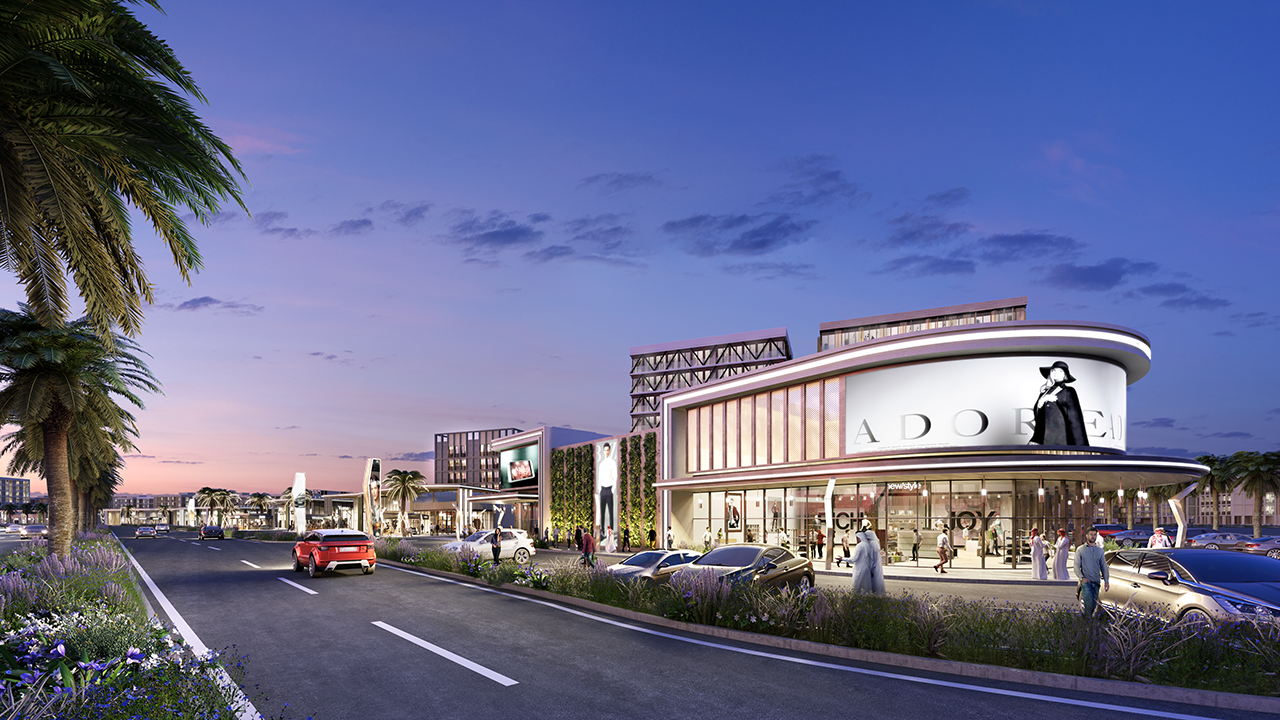
Saudi Arabia launched Vision 2030 in 2016 with a clear goal: to diversify its economy beyond oil and build new opportunities across tourism, business, infrastructure, technology, and quality of life. While these goals span different sectors, many of them come to life through real estate and large-scale developments.
As more projects begin across the Kingdom, developers need a clear way to present their ideas to investors, authorities, partners, and other stakeholders. 3D rendering helps turn concepts, plans, and technical drawings into realistic visuals that show what a project could look like long before construction begins.
In this article, we’ll look at how 3D rendering for Vision 2030 supports Saudi Vision 2030 projects, why developers should involve a rendering studio early, and what to consider when choosing the right visualization partner.
Why Saudi Vision 2030 Is a Major Opportunity for Developers
Table of Contents
The three pillars of Vision 2030 are creating opportunities across almost every type of real estate development, making developers a key part of the Kingdom’s transformation.
| Vision 2030 Pillar | Role of Real Estate |
|---|---|
| A Vibrant Society | Residential communities, schools, hospitals, parks, sports facilities, and cultural destinations improve everyday life. |
| A Thriving Economy | Commercial buildings, hotels, resorts, retail spaces, logistics hubs, and industrial parks support business growth and attract investment. |
| An Ambitious Nation | Smart cities, transport infrastructure, mixed-use developments, and sustainable communities shape future-ready cities. |
As these developments grow in scale and complexity, developers need better ways to present their vision to investors, authorities, consultants, and other stakeholders.
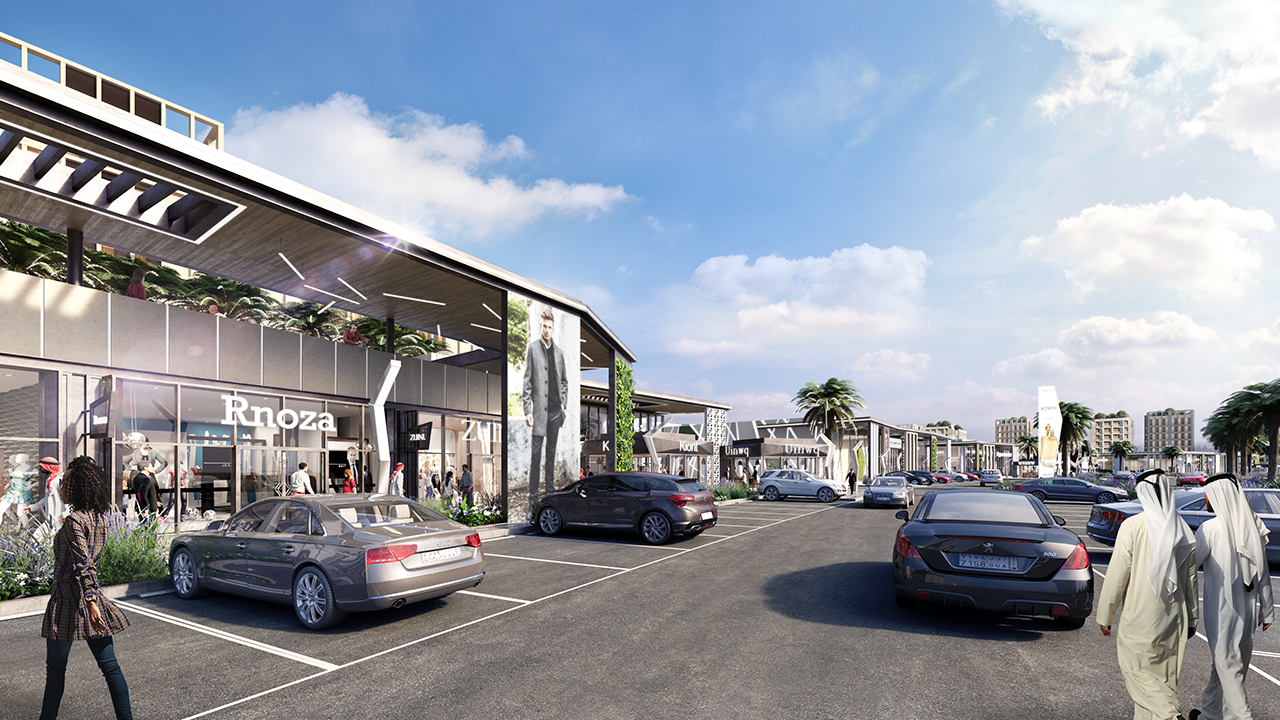
How 3D Rendering Helps Developers with Vision 2030 Projects
Being backed by strong government support, Vision 2030 has attracted greater participation from developers, investors, and businesses. As more projects compete for attention, the ones that stand out are not always the most attractive. They are the ones that look buildable and show that every part of the development has been carefully planned.
Clear visual presentations make it easier to see the planning behind the proposal, helping the project feel realistic and ready for execution rather than remaining just an idea.
This is where 3D architectural rendering makes a difference. Its wide range of visual assets helps explain what floor plans and technical drawings alone may leave open to interpretation. Instead of depending only on presentations and explanations, stakeholders can experience the project visually, making it easier to understand the design, scale, and overall vision.
When Should Developers Bring a 3D Rendering Studio On Board?
3D rendering for vision 2030 projects is not a one-time service delivered just before a project launch. It starts by helping developers present their projects during planning and approval discussions. The same visual assets can then be refined with stakeholder-specific updates for investor presentations, marketing, sales, leasing, and even post-construction management through digital twins.
As projects progress, designs often change. Keeping the visual assets updated ensures every stakeholder works with the latest version of the project, reducing confusion and keeping communication consistent.
For these reasons, a 3D rendering studio should come on board as early as the vision and planning stage and remain involved throughout the project’s lifecycle, ensuring the visual assets stay updated as the development evolves.
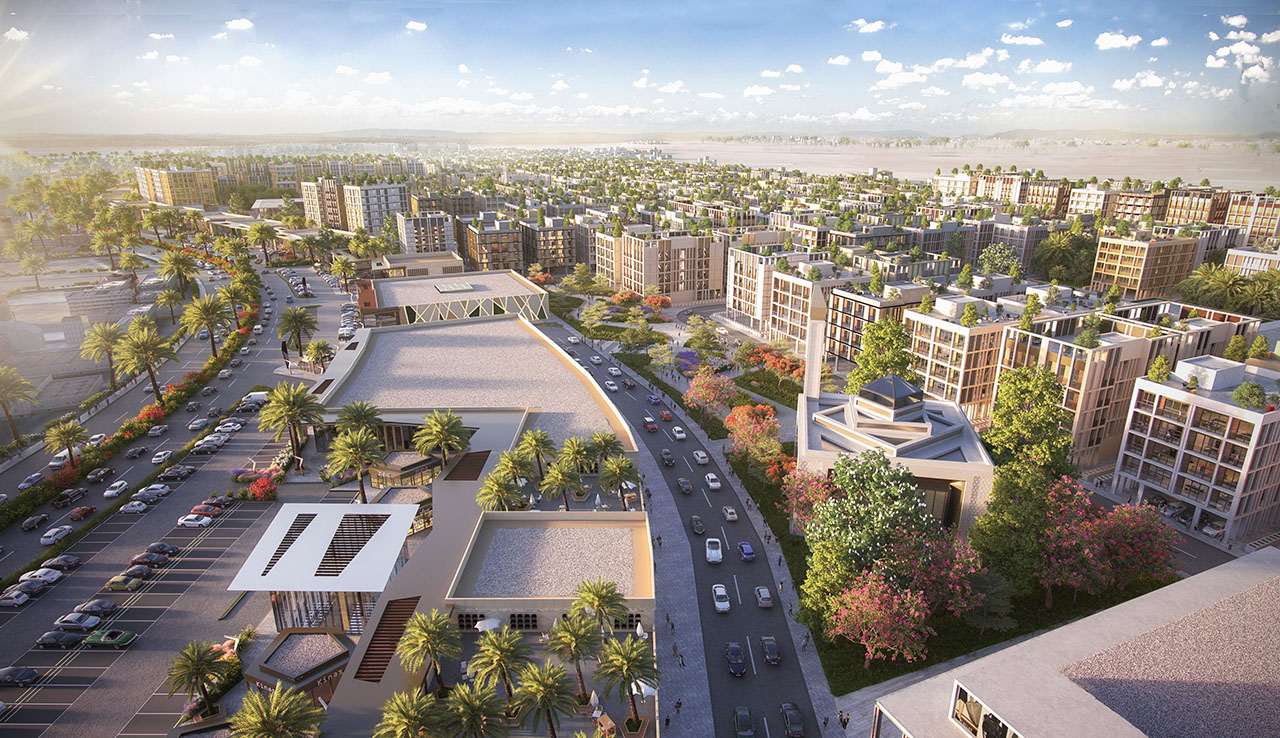
Which 3D Rendering Studio Should Developers Choose for Vision 2030 Projects?
Saudi Vision 2030 projects demand more than technical rendering skills. The right studio should understand Saudi Arabia’s architectural styles, urban planning approach, and the scale of developments taking shape across the Kingdom. Experience with GCC projects is an added advantage, as it brings familiarity with regional design preferences, climate, materials, and development standards.
A strong 3D rendering portfolio is equally important. Look for a 3D rendering studio that has worked on large residential communities, mixed-use developments, hospitality projects, commercial spaces, or infrastructure developments. Previous work gives a clear picture of the studio’s ability to handle projects similar to yours.
It is also worth looking at the developers, architects, and construction companies the studio has worked with. Trusted clients and successful collaborations often reflect the studio’s ability to deliver quality work, meet project requirements, and support large-scale developments.
It is also worth looking at the developers, architects, and construction companies the studio has worked with. Trusted clients and successful collaborations often reflect the studio’s ability to deliver quality work, meet project requirements, and support large-scale developments.
The rendering studio should also offer a complete range of visualization assets. Saudi Vision 2030 projects require different visual assets at different stages of development.
Look for capabilities such as:
- Photorealistic exterior renderings
- Aerial and masterplan visualizations
- 3D walkthrough animations
- Virtual Reality (VR) experiences
- Interactive presentations
- Marketing visuals and brochures
Instead of working with multiple vendors, choose a 3D rendering studio that offers all these services in one place. This not only simplifies project coordination but also maintains consistency across every visual asset, ensuring the same design language and brand identity are carried throughout the project.
A 3D rendering studio with the right regional (GCC) experience, a proven portfolio, and a complete range of visualization services can become an extension of your project team for vision 2023.
Final Thoughts
For Saudi Vision 2030 projects, a 3D rendering studio is more than a provider of attractive visuals. When involved early, it becomes a long-term visualization partner that helps present ideas, support stakeholder discussions, strengthen project presentations, and create visual assets that continue to add value throughout the development lifecycle.
Partner with Render Atelier to visualize your Vision 2030 project with the clarity, precision, and regional expertise needed to support every stage of development.
FAQ’s
What inputs should developers have for 3D rendering of Vision 2030 projects?
A clear project vision, architectural drawings, site information, design requirements, and project objectives are the key inputs. These help create accurate visualizations that support planning, presentations, and stakeholder discussions.
Are approvals easier for projects aligned with Saudi Vision 2030?
Projects that align with Saudi Vision 2030 may benefit from the Kingdom’s strong focus on national development. However, developers must still comply with all applicable planning, regulatory, environmental, and authority requirements.
Can 3D rendering help attract investors for Vision 2030 projects?
Yes. Photorealistic visualizations help investors better understand the project’s design, scale, and potential, making presentations more engaging and easier to follow.
Can one 3D rendering studio support an entire project lifecycle?
Yes. A studio that offers multiple visualization services can support planning, stakeholder presentations, marketing, sales, and post-construction requirements, helping maintain consistency throughout the project.
Why is local and GCC experience important for Vision 2030 projects?
Studios with Saudi Arabia and GCC experience better understand regional architecture, urban design, environmental conditions, and market expectations, resulting in more relevant and realistic visualizations.

