
Waldorf Astoria Maldives: 3D Exterior & Interior Renderings
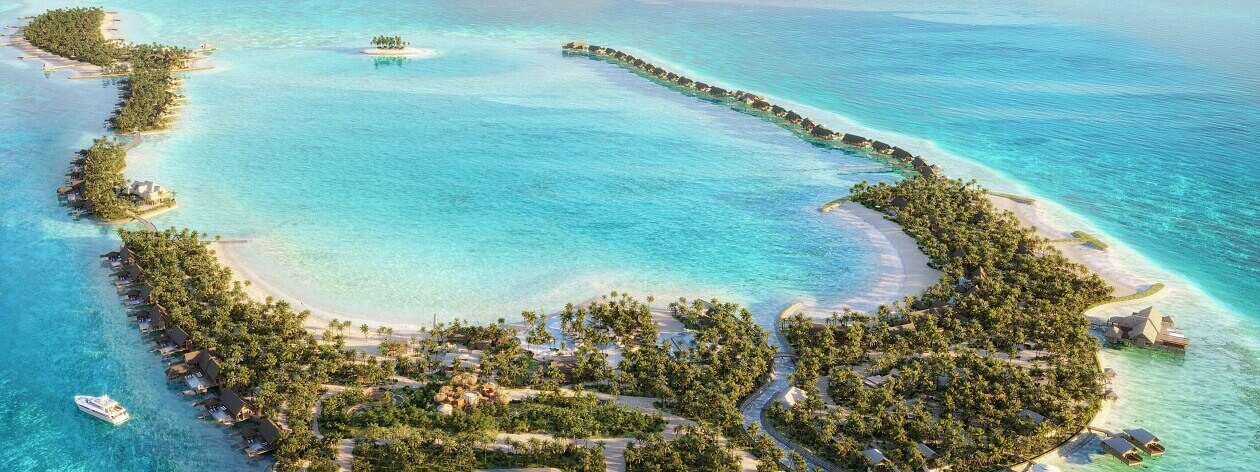
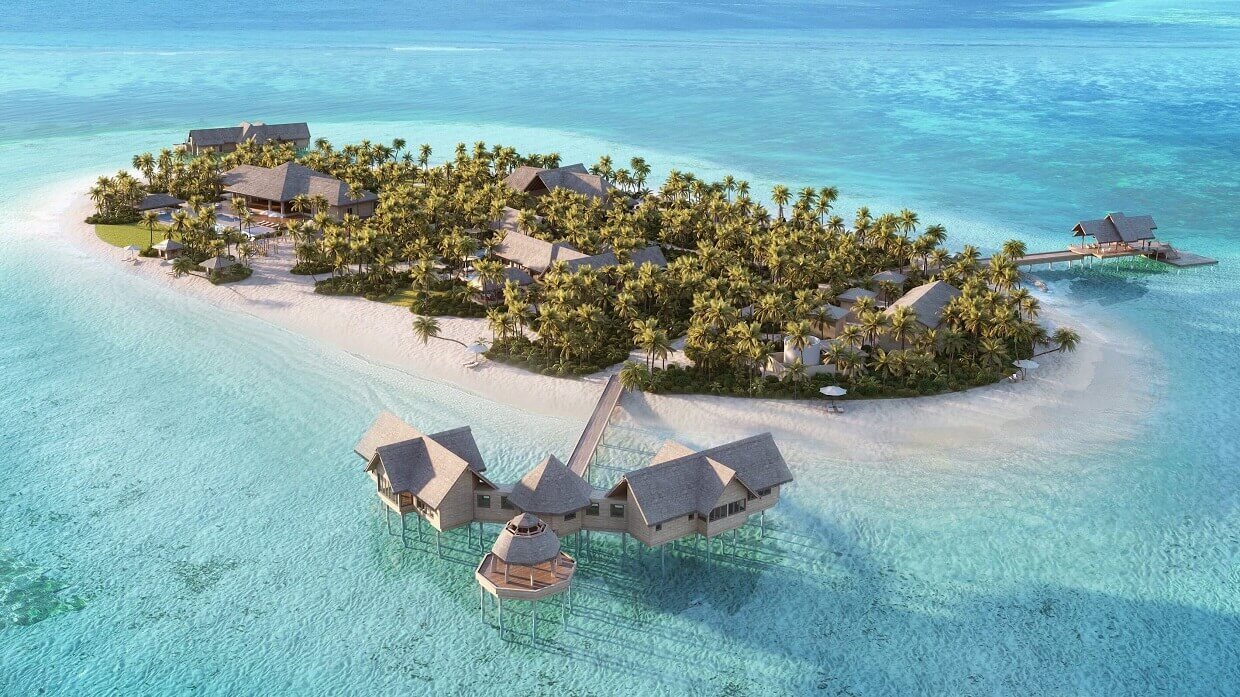
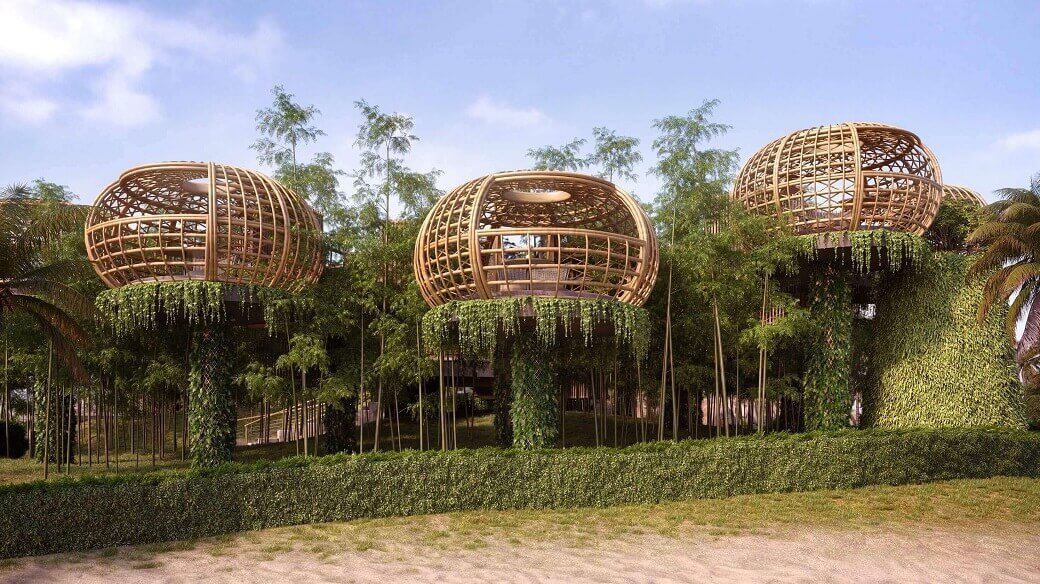
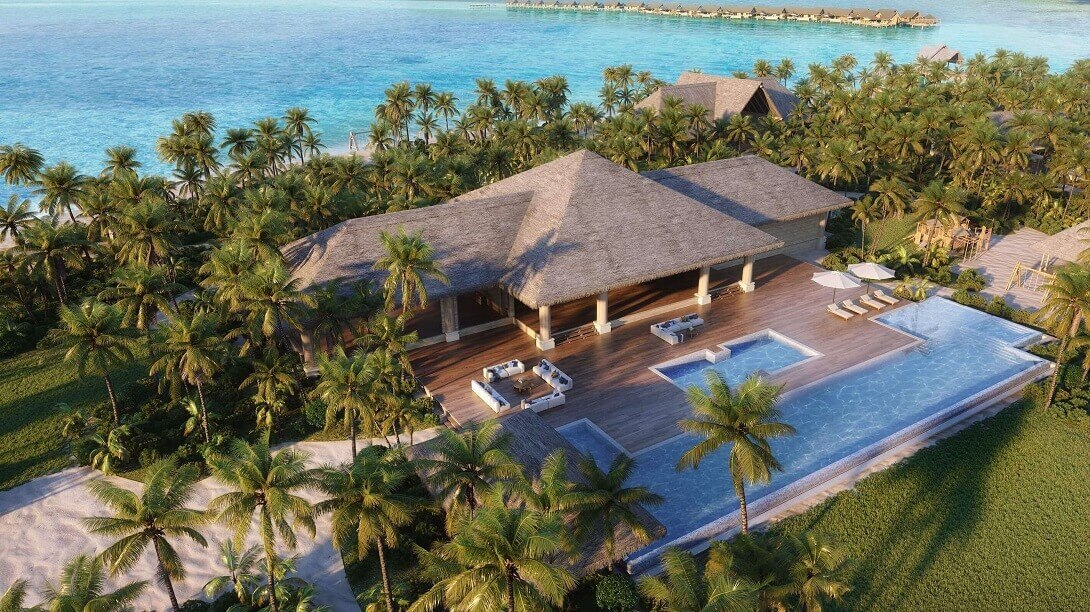
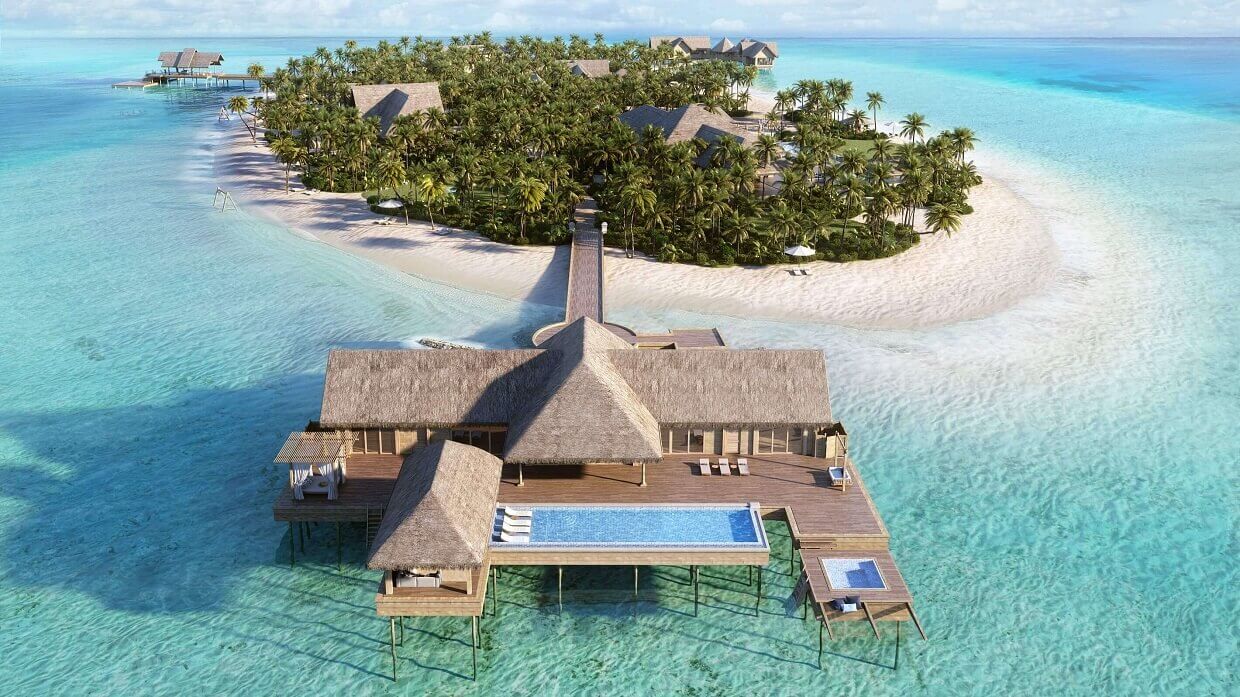
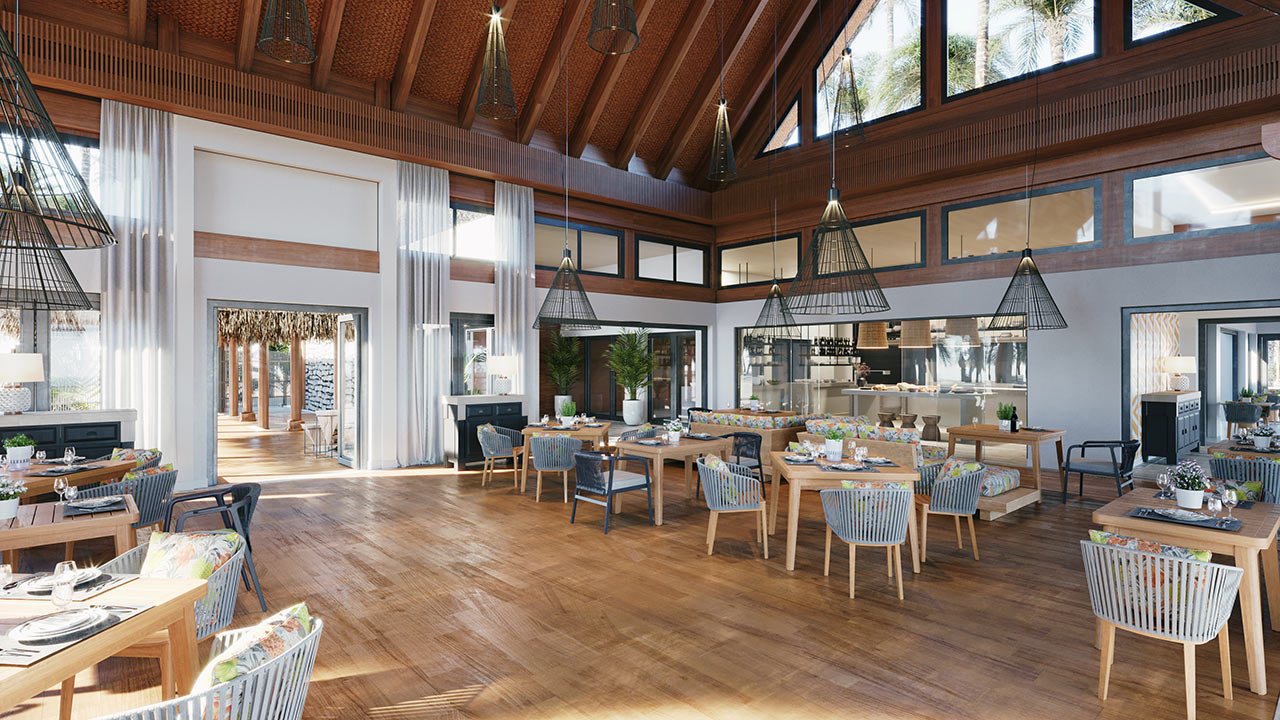
A luxury resort is sold long before a guest checks in. The renders have to communicate the experience before the place exists. It has to communicate privacy, atmosphere, comfort, and the relationship between the built environment and its setting. Render Atelier worked with Assets Real Estate Development to create 3D exterior and interior renderings for Waldorf Astoria Maldives.
What We Built
Render Atelier created a series of exterior and interior renderings that presented the resort as one complete hospitality experience. The challenge was to make the architecture, landscape, water, outdoor spaces, and villa interiors feel connected rather than like separate parts of the project.
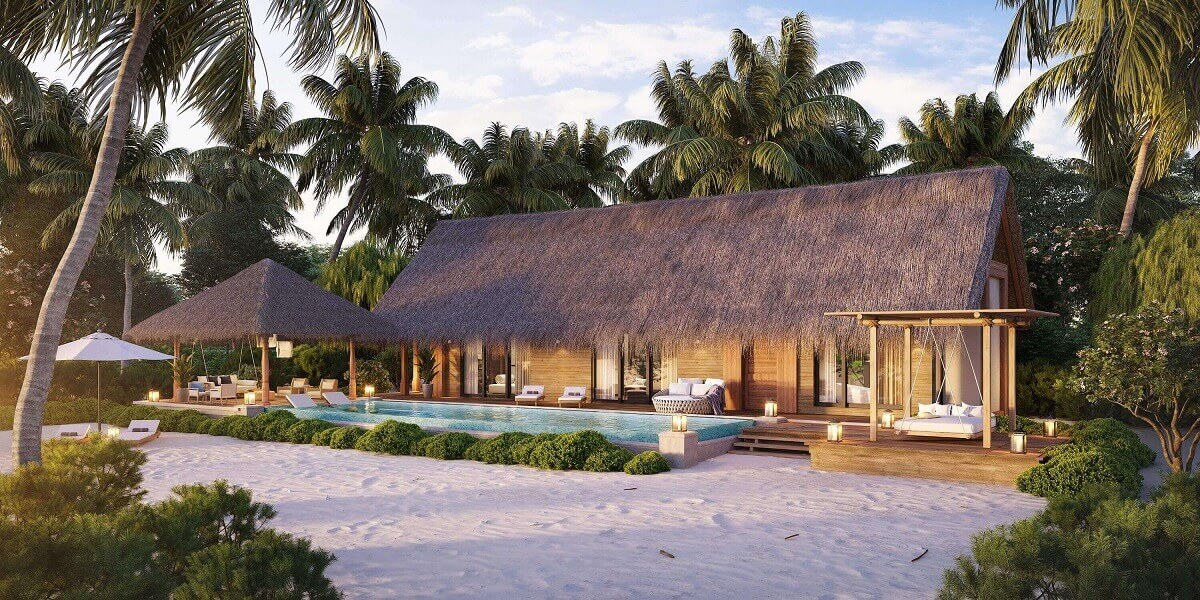
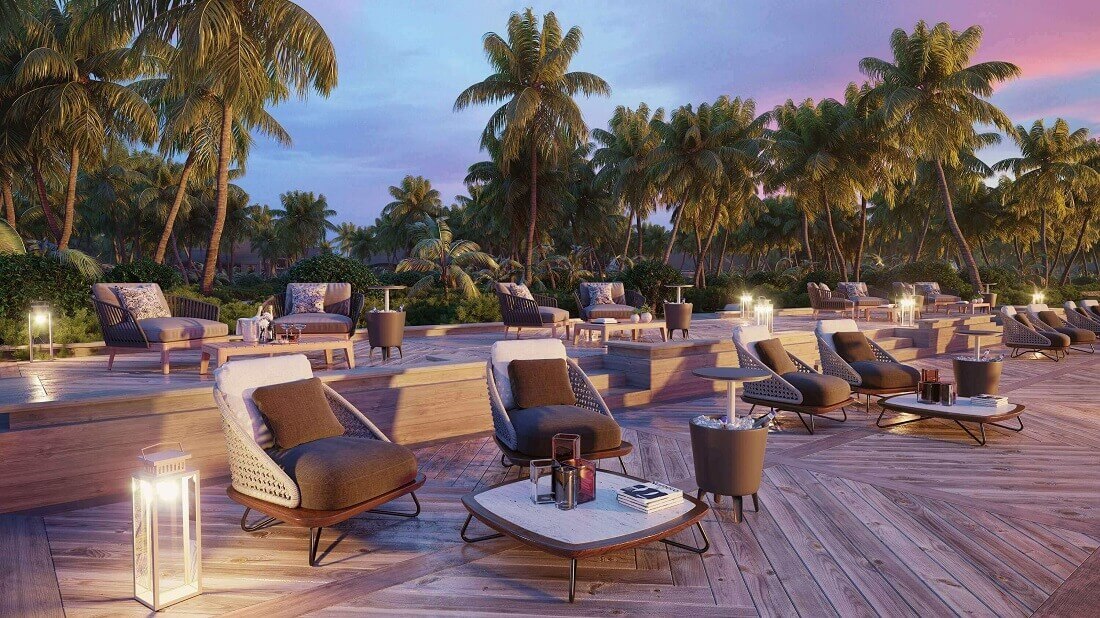
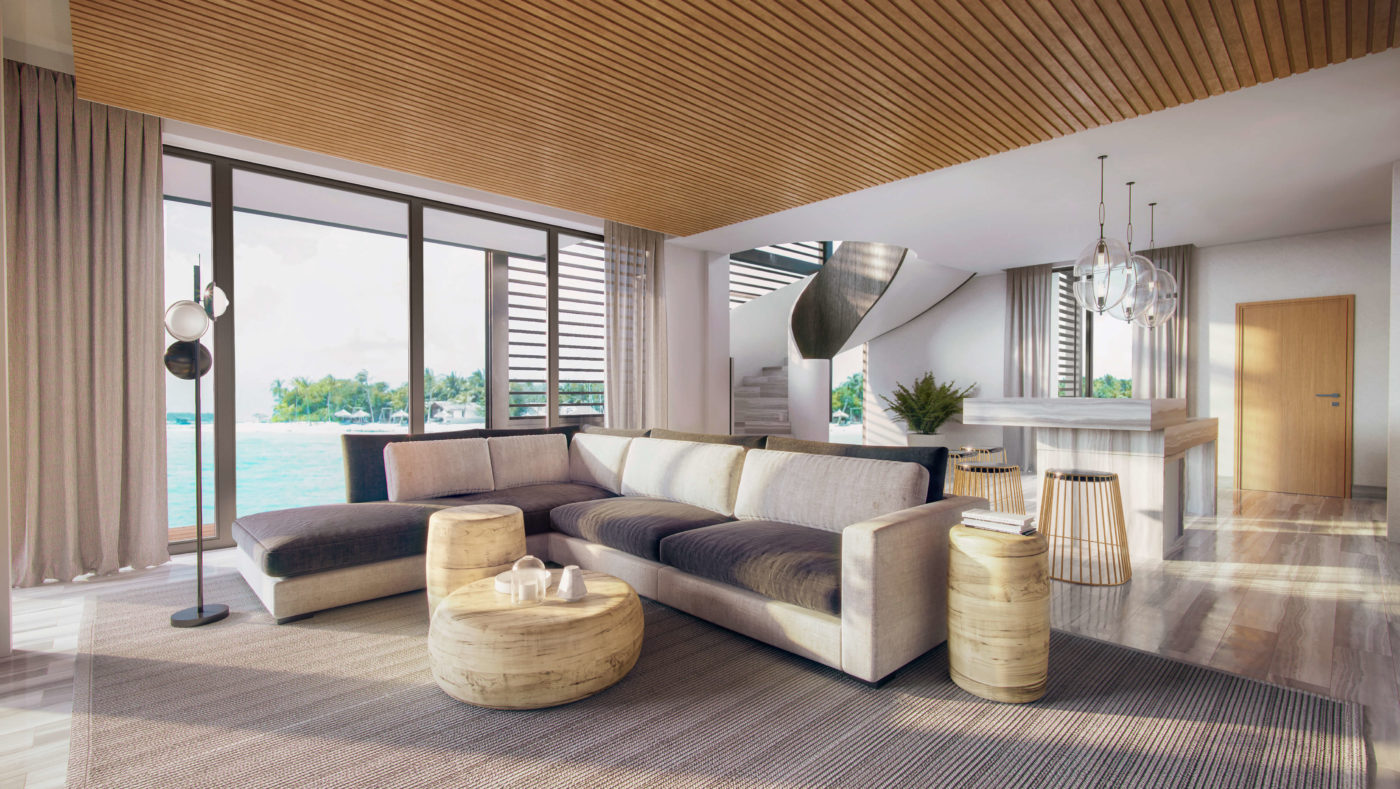
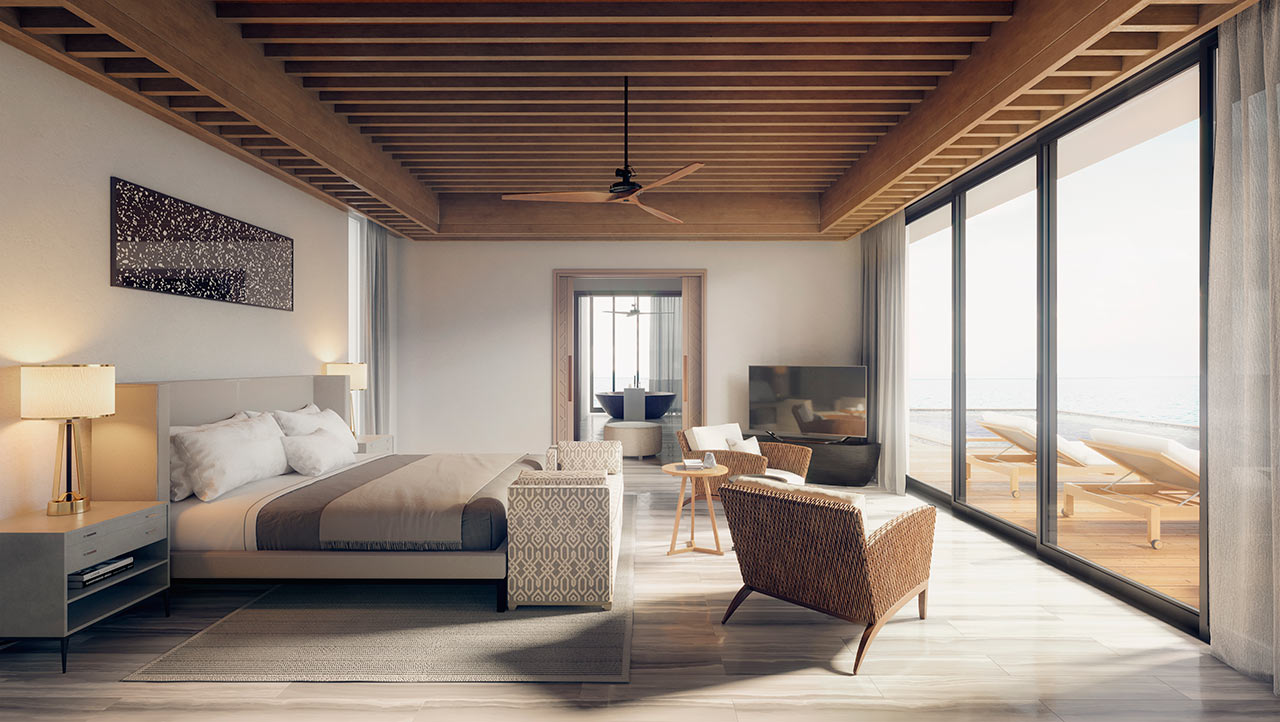
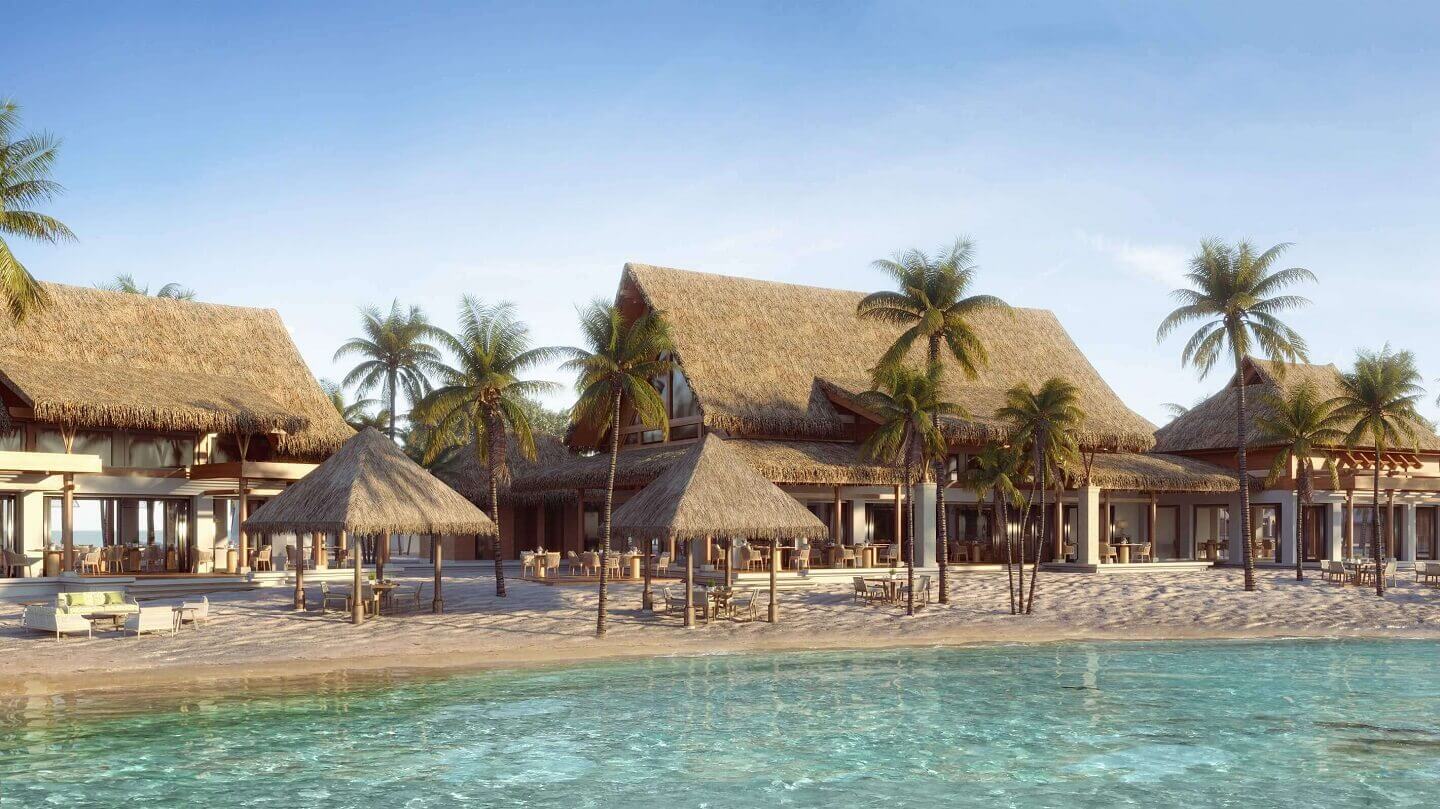
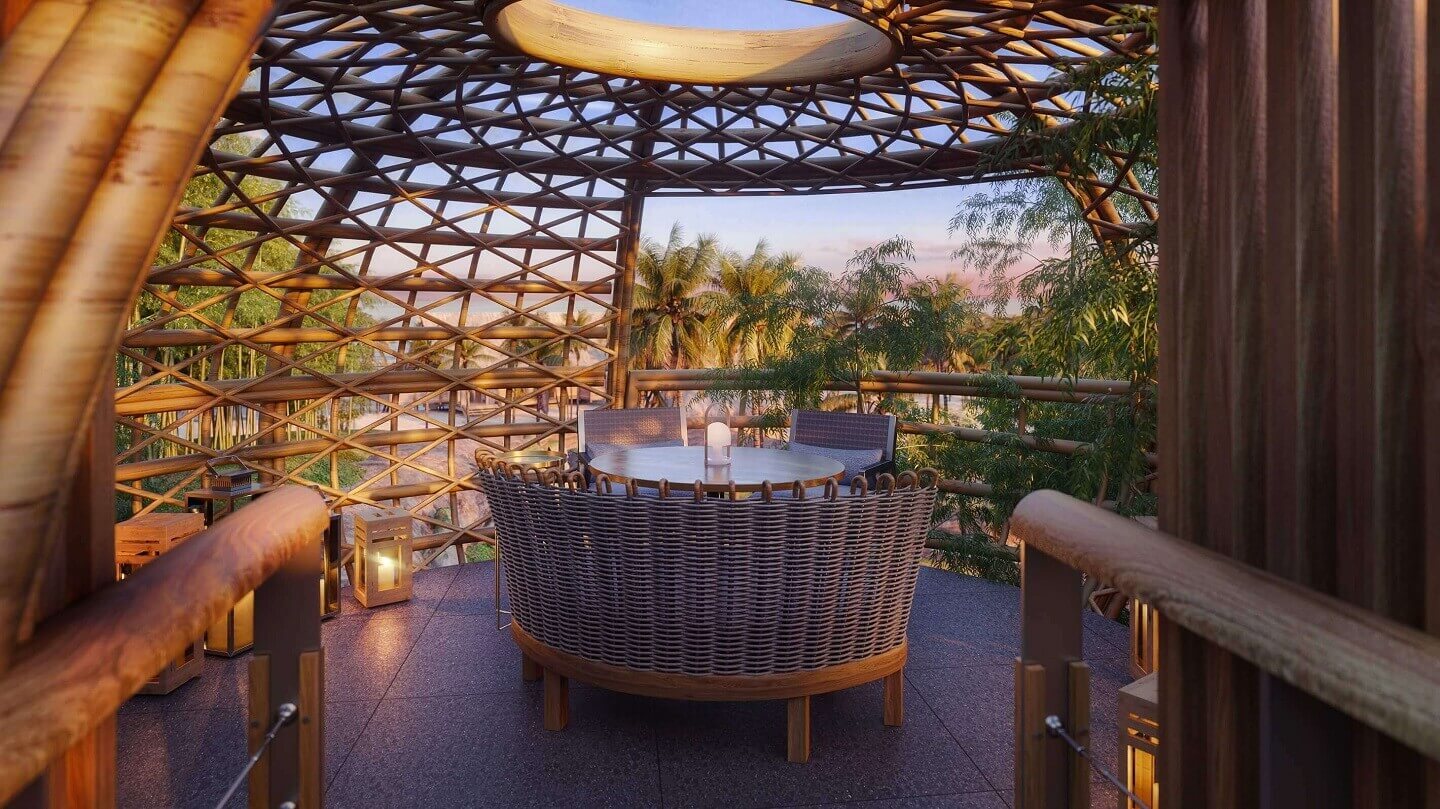
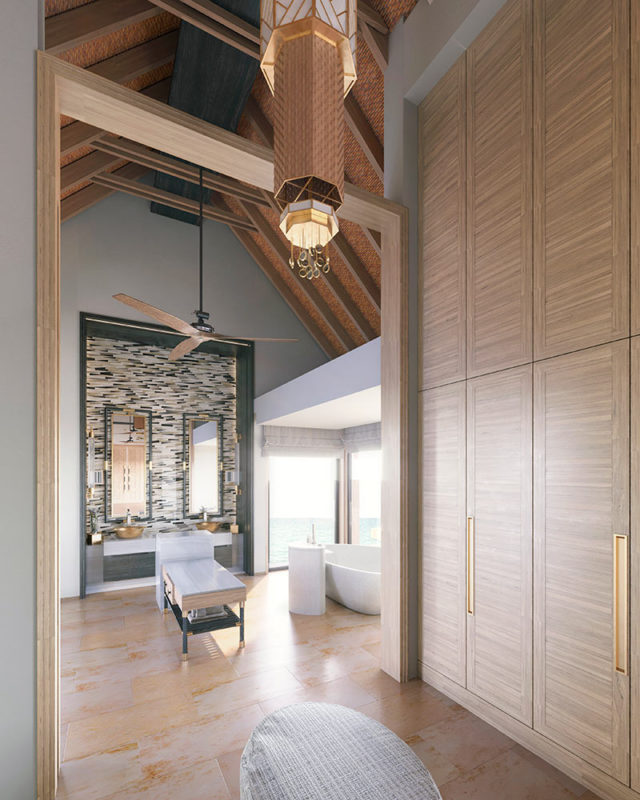
The exterior imagery focused on the way guests would experience the island environment. Overwater villas had to sit naturally within the wider setting, while pools, beaches, outdoor seating areas, and bamboo nests needed to contribute to the sense of privacy and escape. The surrounding water and tropical landscape were not background elements. They were central to how the resort was meant to be understood. The interiors required a different level of attention. Here, the experience depended on smaller details: the softness of linen, the quality of furniture, the placement of lighting, and the balance between materials and open space. The goal was to create rooms that felt quiet and considered without losing the sense of luxury expected from a high-end hospitality project.
Across both exterior and interior scenes, consistency was essential. The visual language had to carry from the island setting into the guest spaces so that every image felt like part of the same resort. The final delivery allowed the project to be presented as a complete guest journey, from arrival and outdoor living to the quieter interior spaces of the villas.
Render Atelier Services on this Project
3D Exterior Renderings
For Waldorf Astoria Maldives, the exterior visualizations focused on the relationship between architecture and environment. Overwater villas, pools, beaches, outdoor seating areas, bamboo nests, landscape, and water all had to work together within the same visual world. The imagery was designed to communicate more than the form of the buildings. It showed how guests could experience the resort through privacy, open views, outdoor living, and a direct connection to the surrounding island setting.
3D Interior Renderings
The interior visualizations focused on atmosphere at a much more intimate scale. Furniture, fabrics, lighting, material finishes, and spatial arrangement all contributed to the mood of the guest spaces. The aim was to create interiors that felt calm, refined, and consistent with the wider resort experience. Each scene had to feel carefully composed without appearing staged or disconnected from the environment outside.
FAQs
How do you visualize a resort before the full guest experience exists?
We begin by looking at more than the architecture. The setting, landscape, materials, lighting, furniture, and intended guest experience all influence how the project should be presented. The visuals then bring those elements together into a believable hospitality environment.
How do you keep interior and exterior visuals consistent across one project?
Consistency comes from carrying the same design language through every scene. Materials, lighting, atmosphere, landscape, and overall visual tone should feel connected so the viewer experiences one resort rather than separate sets of images.
How important is the surrounding environment in resort visualization?
It is often central to the project. In a destination such as the Maldives, water, beaches, landscape, and open views are part of the guest experience. They therefore need the same level of attention as the architecture itself.
What do you need from us to begin a hospitality visualization project?
We typically need architectural drawings or models, available interior and landscape references, material information, and a clear idea of the spaces that need to be communicated. From there, we can define the views, level of detail, and visual scope.
Working on a resort or hospitality project where the experience matters as much as the architecture?
We visualize the full journey, from the setting outside to the spaces guests remember inside.

We are a Premium Architectural Visualization Studio who can transform your brilliant designs from your imagination into evocative visuals for your clients.
Resources
All Rights Reserved.
Chat with us on WhatsApp