
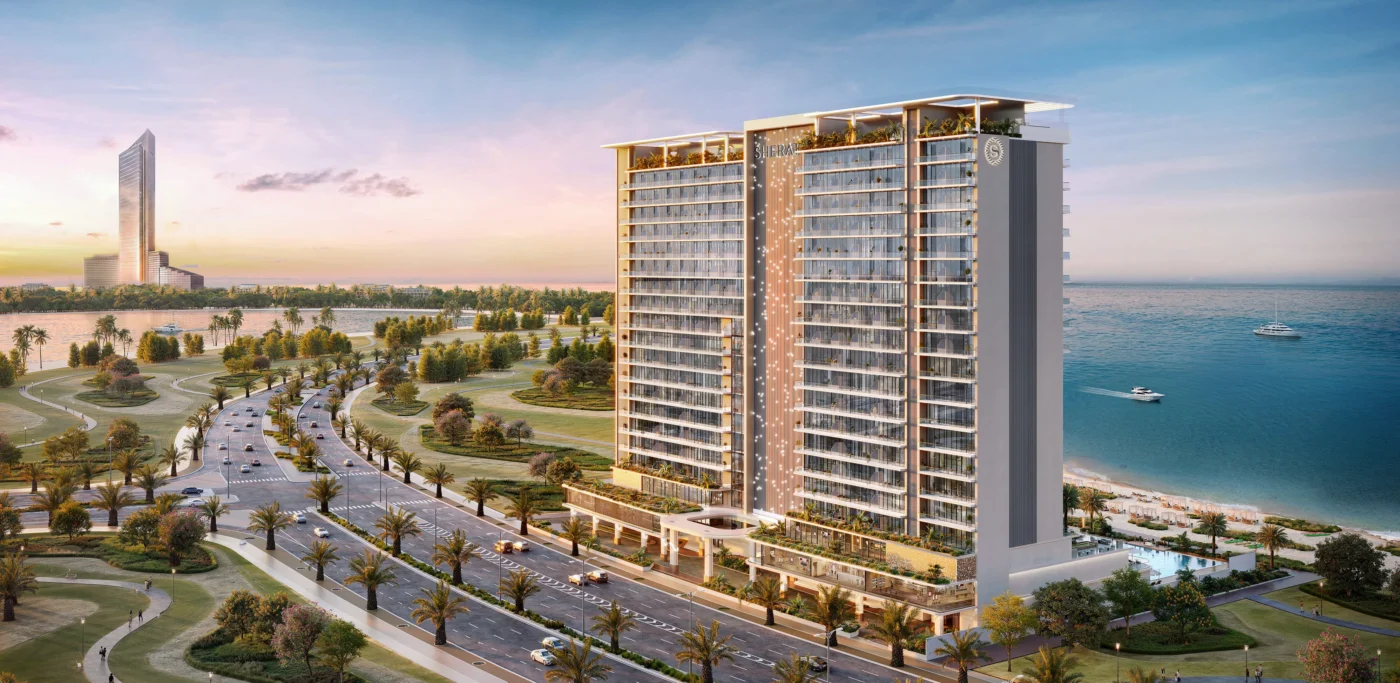
Digital rendering services turn architectural drawings and design ideas into realistic images, videos, and interactive experiences. They help clients, developers, architects, investors, and buyers get an idea of the finished project.
Digital rendering is available in different formats, with stills, films, and interactive experiences being the most common. Each format serves a different purpose, from showing design details to creating an immersive experience.
What Are the Three Types of Digital Rendering?
Table of Contents
The three main formats are stills, films, and interactive visuals. Each one offers a different way to present a project.
| Type | What It Provides | Best Used For |
|---|---|---|
| Stills | Realistic images | Websites, brochures, presentations, and marketing |
| Films | Animated videos | Launches, presentations, and social media |
| Interactive | 360 tours, VR (Virtual Reality), and other experiences | Remote viewing and immersive presentations |
Choosing the right format depends on what you want your audience to see, understand, or experience.
What Are Still 3D Renderings?
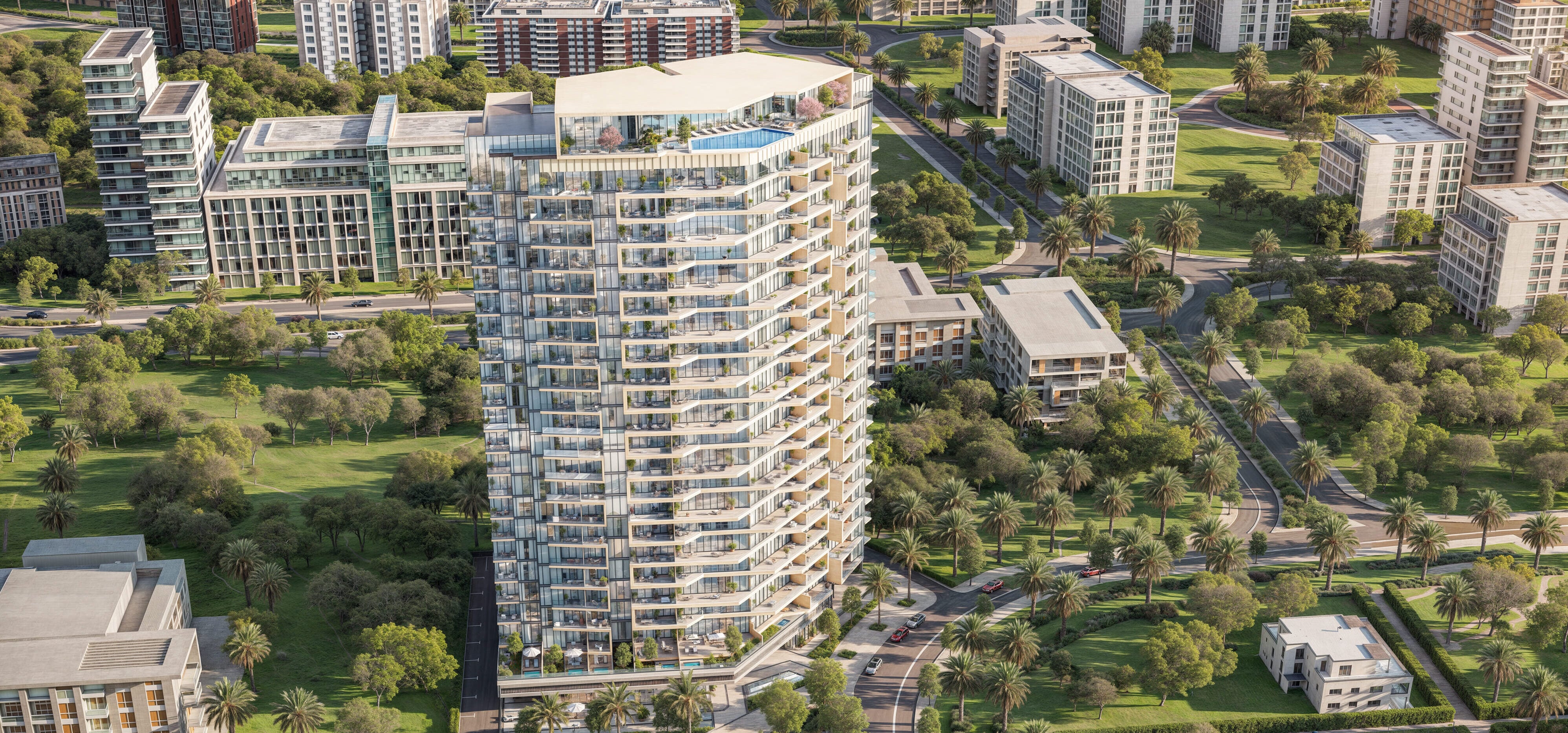
A still 3D rendering is a high-quality digital image that shows a proposed space or building from a selected view. It can highlight details such as materials, furniture, colours, finishes, lighting, layouts, and surroundings, helping viewers understand how the completed design may look.
Still renderings can be created for interiors such as living rooms, hotel lobbies, restaurants, and offices, as well as building exteriors and landscapes.
They are easy to share and can be used for:
- Property websites and listings
- Brochures and sales materials
- Investor presentations
- Social media
- Design reviews
They are a practical choice when you need to present a clear and detailed view of a specific space or design.
What Are Rendering Films?
Rendering films are also known as 3D animation. They bring a design to life through motion. Instead of showing one fixed view, the camera moves through different areas such as entrances, lobbies, corridors, apartments, gardens, and outdoor spaces.
3D Rendering films can also include lighting, landscaping, water features, and people to create a more complete view of the proposed environment.
3D films are useful for:
- Project launches
- Investor meetings
- Sales campaigns
- Social media
- Promotional videos
- Large developments
- Resorts and masterplans
A rendering film helps viewers understand how different spaces connect and how the overall project may feel, making it a useful format for presentations and marketing.
What Are Interactive Rendering Experiences?
Interactive rendering gives viewers more control over how they explore a design. Instead of watching a fixed video, they can look around a space, choose different views, or move between areas.
Common formats include:
| Interactive Format | What It Offers |
|---|---|
| 360° Virtual Tour | Lets users look around a space from selected viewpoints |
| VR Walkthrough | Allows users to explore a design using virtual reality |
| Digital Twin | Creates an interactive digital representation of a project |
Interactive experiences are particularly useful when clients, investors, or buyers cannot visit the actual location. They can explore the proposed space remotely and gain a better understanding of the design.
Stills vs Films vs Interactive: Which Should You Choose?
Each format works for a different purpose.
| If You Want to… | Best Choice |
|---|---|
| Show materials and design details | Stills |
| Create brochure and website content | Stills |
| Present a specific interior or exterior | Stills |
| Tell the story of a project | Films |
| Show how spaces connect | Films |
| Create launch or promotional content | Films |
| Let people explore a space themselves | Interactive |
| Present a project to remote clients | Interactive |
| Offer an immersive experience | Interactive |
A simple way to remember the difference is: stills show the design, films tell the story, and interactive experiences let people explore it.
How Does the Digital Rendering Process Work?
Plan 3D rendering for your projects from the early stages instead of leaving it to the last minute. This gives your team more time to coordinate views, feedback, deadlines and the revisions will cost less if something goes wrong.
The general process includes:
| Step | What Happens |
|---|---|
| 1. Share the brief | Provide drawings, references, requirements, and project goals |
| 2. Build the model | Create the 3D model based on the available design information |
| 3. Add details | Apply materials, furniture, lighting, landscaping, and other elements |
| 4. Review | Check early views and provide feedback |
| 5. Finalize | Polish and deliver the required stills, films, or interactive visuals |
Providing complete information and clear references at the beginning can help the project move smoothly.
How Can You Get Better Results From Digital Rendering?
A few simple steps can make the rendering process easier and more effective.
- Know Your Purpose
Decide whether the visuals are mainly for design review, sales, presentations, approvals, or marketing. - Share Clear References
Provide architectural drawings, material preferences, furniture references, and examples of the style you want. - Choose the Right Format
Use stills when details matter, films when you want to tell a story, and interactive experiences when you want viewers to explore the space. - Keep the Visual Style Consistent
Using a consistent 3D model and visual direction across different formats can create a more professional presentation. - Work With an Experienced Team
Choose a rendering studio that understands architecture, design, materials, lighting, and the purpose behind the visuals.
Final Thoughts
Digital rendering services make it easier to present a design before it becomes a physical space. Stills highlight important details, films show the project through movement, and interactive experiences give people the freedom to explore.
The right combination depends on your project, audience, and purpose. By choosing the appropriate format, you can present your design clearly and create a more engaging experience for clients, buyers, investors, and other stakeholders.
FAQ’s
What are digital rendering services?
Digital rendering services turn architectural and design information into realistic images, animated videos, and interactive experiences before a project is completed.
What is the difference between stills and films?
Stills are individual images that focus on a particular view or design detail. Films use animation and camera movement to show how different spaces connect and feel.
What are interactive renderings?
Interactive renderings allow viewers to explore a proposed space themselves through formats such as 360° tours, VR walkthroughs, or other interactive experiences.
Which digital rendering service should I choose?
Choose stills when you need detailed images, films when you want to tell a project story, and interactive experiences when you want people to explore the design.
Can stills, films, and interactive visuals be created from the same model?
Yes. A well-developed 3D model can often be used to create different visual formats, helping maintain consistency across the project.

