
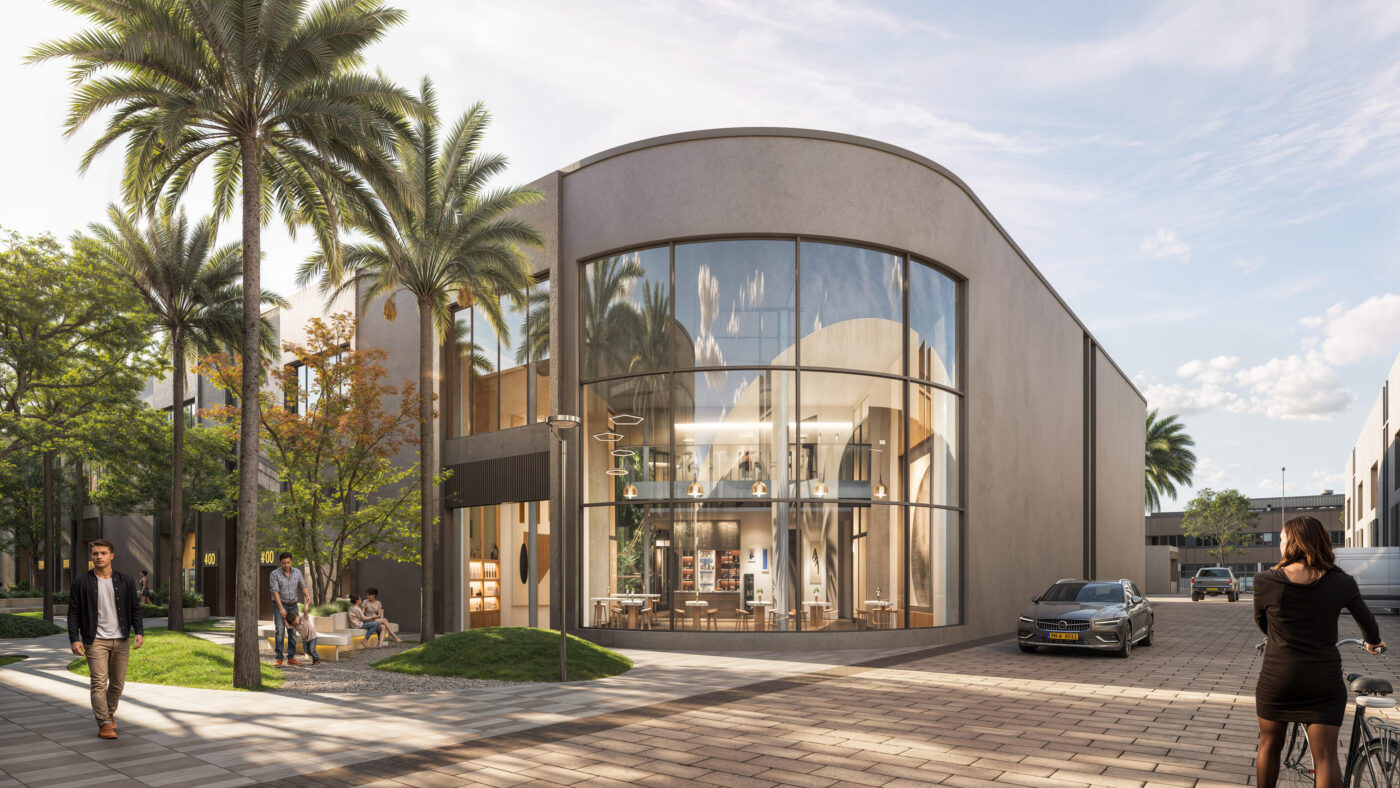
Marketing an architecture firm is not simply about displaying completed projects. It is also about convincing potential clients to believe in a project that may exist only as drawings, plans, and concepts.
Architects can interpret floor plans and elevations quickly, but clients may struggle to understand how those technical drawings translate into a finished building or interior. When the vision is difficult to picture, even a strong architectural concept can lose some of its impact. This is where 3D architectural visualization becomes valuable.
Why Traditional Architectural Marketing Can Struggle to Communicate the Vision
Table of Contents
Architectural drawings are essential for planning, design development, approvals, and construction. However, they are not always designed to function as persuasive marketing material.
A floor plan can show where rooms are positioned. An elevation can communicate the exterior design. Sections can explain relationships between different levels and spaces. But these drawings often require the viewer to interpret several pieces of information before forming a mental image of the finished project.
For a prospective client without an architectural background, that process can be difficult.
The difference is not that traditional drawings are ineffective. It is that technical drawings and visual marketing serve different purposes. Drawings communicate how a project is designed, while 3D visualization can help communicate what that design may look and feel like.
A realistic 3d rendering can bring together materials, lighting, furniture, landscaping, proportions, and surrounding context in one visual. Instead of asking a prospect to imagine the result, the firm can show a representation of the intended outcome.
Where Architecture Firms Can Lose Opportunities Without 3D Visualization
Prospects May Struggle to Visualize the Finished Project
A client may understand that a design looks good on paper but still have difficulty picturing the finished space. This is particularly relevant for complex developments, high-end residences, commercial properties, and projects where materials and spatial relationships are important.
Client Presentations Can Require More Explanation
Without visual representations, presentations can become heavily dependent on verbal explanations. Architects may need to spend more time explaining what different drawings represent and how individual elements will come together.
Differentiation Becomes More Difficult
Architecture firms often compete through their design expertise, experience, portfolio, and proposals. When several firms present technically strong concepts, the quality and clarity of the presentation can influence how easily clients understand those ideas.
Pre-Construction Marketing Has Fewer Visual Assets
Marketing a building before it exists presents an obvious challenge: there is nothing to photograph.
3D rendering solves part of that problem by creating project imagery before construction is complete. Exterior views, interior scenes, aerial perspectives, and site visualizations can help communicate a project’s potential during the planning and development stages.
One Project Produces Fewer Marketing Opportunities
Without visualization, a firm may have limited imagery for promoting a project online. With the right visualization assets, one project can generate material for a website portfolio, social media posts, presentations, proposals, email campaigns, and project announcements.
The result is not simply more images. There are more opportunities to communicate the firm’s work across different marketing channels.
How 3D Visualization Strengthens Architecture Firm Marketing

Make Complex Designs Easier to Understand
3D architectural visualization can communicate details that are difficult to interpret from technical drawings alone. Exterior renderings can show façades, landscaping, materials, and surroundings. Interior renderings can demonstrate finishes, furniture, lighting, and atmosphere.
This makes the design easier for clients, investors, developers, and other stakeholders to understand.
Strengthen Client Presentations
Renderings can work alongside floor plans, elevations, material boards, and other architectural documents. This combination allows the presentation to communicate both technical information and visual intent.
Instead of choosing between drawings and realistic imagery, firms can use both to create a more complete picture of the project.
Build a Stronger Architecture Portfolio
A portfolio needs to demonstrate more than technical capability. It needs to communicate design thinking and show prospective clients what a firm’s work can achieve.
3D visualization allows firms to present concepts that have not yet been constructed and complement completed-project photography with visual representations of design intent
Create More Content From Each Project
A single visualization project can support multiple pieces of marketing content. For example, an architecture firm could use an exterior rendering for a website portfolio, an interior rendering scene for social media, a series of images in a client presentation, and additional views in a project proposal.
This gives the firm more flexibility to maintain consistent visual communication across its marketing channels.
Communicate Value Before Construction Begins
Perhaps the biggest advantage is timing. Architecture firms often need to communicate value long before a project reaches completion.
3D visualization allows that communication to begin earlier. Clients can discuss the appearance, atmosphere, materials, and overall direction of a proposed project using a visual representation rather than relying entirely on imagination.
Final thoughts
Great architecture deserves to be understood as clearly as it is designed. When prospects can see the idea instead of trying to imagine it, the conversation can move from explaining the concept to discussing the opportunity. For architecture firms, that difference can matter when the next project is on the line.
FAQ’s
What is 3D architectural visualization?
3D architectural visualization is the process of creating digital images or views of a proposed building or space. It helps clients see the design before construction begins.
Why is 3D visualization important for architecture firms?
3D visualization helps architecture firms present their ideas more clearly, especially to clients who may find technical drawings difficult to interpret.
Can 3D visualization help architecture firms win more clients?
It can support client acquisition by making proposals and presentations easier to understand and giving prospective clients a clearer view of the proposed project.
What types of 3D visualization can architecture firms use?
Common options include exterior renderings, interior renderings, 3D floor plans, aerial views, architectural animations, and virtual walkthroughs.
Can 3D visualization be used for marketing before construction?
Yes. Renderings can show how a proposed building or interior is expected to look before construction is completed, making them useful for websites, presentations, proposals, and other marketing materials.

