
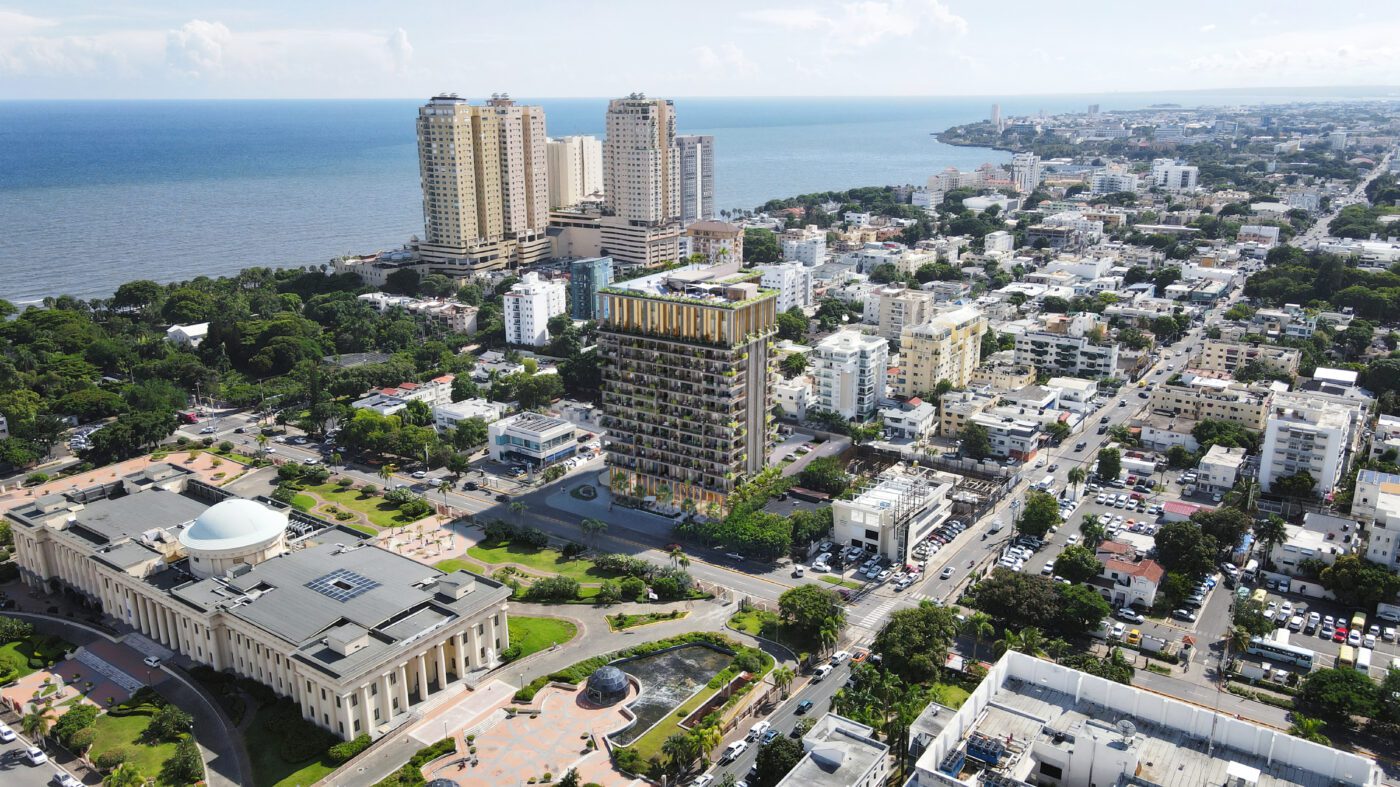
There can be hundreds of ideas on how to build a structure. To work on these ideas and shortlist the buildable ones, or identify what changes may be needed to make them buildable, we need a rough sketch or blueprint. But is that enough for effective ideation?
A concept render makes it possible to take that rough idea and give it a visual form. It helps you see how the concept could look, explore different possibilities, and decide which direction may be worth developing further.
Read on to know more about concept rendering, whether AI can do the work, and when a concept becomes an approved 3D render.
What Is Concept Architectural Rendering?
Table of Contents
A concept render is about bringing an idea, a mood, a definition of a comfortable space, a text description, a rough sketch, or any other form of conceptual information into a viewable image.
Trying to grasp an idea in its current form can be limiting. It may depend on how well a person can explain it, how well someone can draw it, or how comfortable they are with visualising ideas. Even then, words or drawings may not fully communicate what is intended. A concept render helps bridge that gap by turning the idea into something everyone involved can see and respond to. It is not a final or approved render to be used for project approval.
What Does a Concept Render Go Through?
A concept render gives everyone involved in a project an opportunity to see the same idea and respond to it. Each person may have a different perspective, and an unexpected suggestion can sometimes lead to a better direction for the project.
Since a concept render is easier to refine than a fully developed 3D render, changes can be explored without investing the same time and resources required for a final visual. This makes it possible to test different design directions, moods, materials and settings before committing to one.
For example, the same concept can be explored in a bright daytime setting or a night-time setting to see which communicates the intended experience better. Different moods and visual treatments can also be tested while the concept is still flexible.
In this way, concept rendering gives the project room to explore before moving into the more detailed and resource-intensive stage of 3D rendering.

Can AI Create a Architectural Concept Render?
Yes, AI can create a concept render. But AI is highly input-dependent. It can generate what you describe, which means the quality and usefulness of the concept can depend heavily on your architectural knowledge and how clearly you can describe the structure, dimensions, relationships and other details.
For example, you may ask AI to create a bedroom with a bed attached to the wall and a working table beside it. AI can place both elements in the image, but do you know what dimensions they should have, how much clearance is required, or whether the arrangement would actually work comfortably? AI may make the image look right without necessarily making the space practical.
This becomes important because a concept is not useful simply because it looks good. If the spatial arrangement, proportions or basic design direction do not work, the concept may have to be changed or discarded later, after more work has already gone into developing it.
So, even at the concept stage, the visual should do more than define how you want the project to look. It should help you explore whether the idea makes sense spatially and what may need to change before moving towards a detailed 3D render.
Where a Rendering Studio Adds Value?
You can say that a rendering studio comes in when you already know how you want the project to look. You may even have generated a visual of it, but you may not know whether the idea is buildable or whether some changes are needed to make it work.
This is where a professional studio can add value. Instead of creating a concept render that only shows the vision, the studio can develop the visual with the project requirements in mind. Its experience across different projects, along with the involvement of architects, engineers and visualisation artists, can help identify what may need to change while the concept is still flexible.
The goal is not simply to make the concept look good. It is to create a concept that can move more smoothly towards an actual 3D render once the direction is finalised. This can reduce the need to rethink the visual from the beginning when the project moves into detailed rendering. ‘
When Does a Concept Render Become an Approved 3D Render?
A concept render becomes ready to move towards an approved 3D render when the major questions around the visual direction have been answered. The team is no longer asking what the project could look like, but has agreed on how it should look.
The building form, spatial arrangement, materials, colours, lighting, surroundings and overall mood may now be defined enough to develop further. Feedback from the people involved has also been incorporated, and the changes are no longer about exploring completely different directions.
At this stage, the concept render becomes a visual reference for the detailed 3D render. The approved direction can be developed with greater detail, accuracy and control, rather than starting the visualisation process from scratch.
Final Thoughts
A concept render is more than an image of an architectural idea. It is a way to bring an idea into a form that everyone involved can see, question and contribute to.
AI can make this process faster, but the usefulness of the concept still depends on the information behind it and how well the visual reflects the intended idea. A rendering studio can take that concept further by combining visualisation experience with architectural and engineering understanding, helping refine an idea before it moves into detailed 3D rendering.
The goal is not to make the first concept look final. It is to explore the right direction, refine it with the people involved and create a visual foundation that can move smoothly towards the final 3D render.
FAQ’s
Does a concept render need to be technically accurate?
A concept render is not the end of the process just because your vision has finally been captured. It has to proceed further, so the concept should also be buildable. It should help identify whether the idea can work as a practical design and what changes may be needed before moving towards the final 3D render.
Can a concept render be changed after it is created?
Yes. Refinement is one of the main purposes of a concept render. Elements such as materials, lighting, mood, spatial arrangements and overall design direction can be explored and changed before the final 3D render is developed.
Do I need a rendering studio to create a concept render?
You might not need a rendering studio if the concept render itself is the end goal. But if the goal is to actually build the project or use the visual for off-plan sales, a studio can add value by developing the concept with greater architectural and visual control,
What information is needed to create a concept render?
It can start with something as simple as a written idea, reference images or a rough sketch. More detailed information such as drawings, dimensions, materials or a basic 3D model can provide greater control over the visual.
What tools can be used to create a concept render?
Concept renders can be created using general design tools, 3D modelling and rendering software, AI image generators, or a combination of these. The right tool depends on the stage of the concept, the information available and how much control is needed to take the concept towards a detailed 3D visual.

