
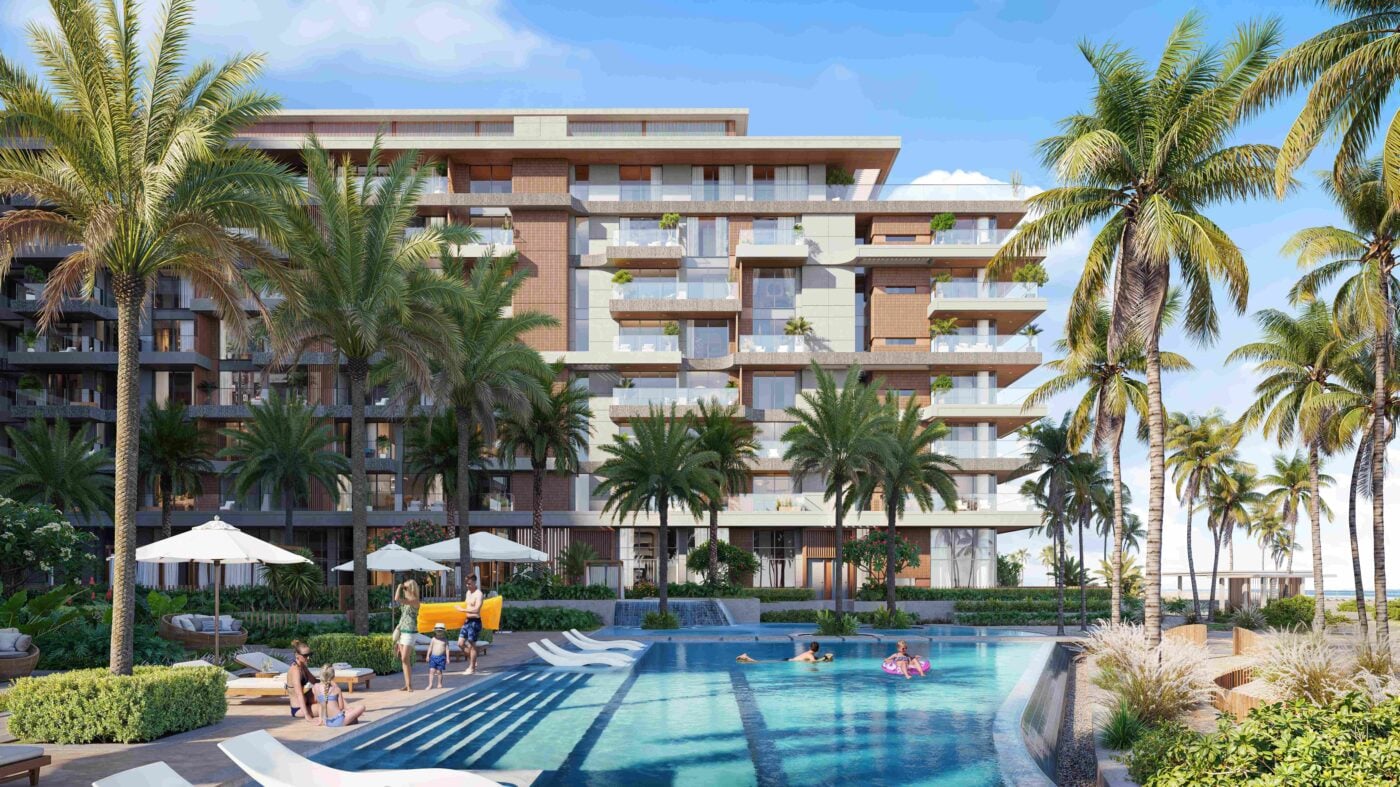
There is a specific kind of frustration that shows up on handover day. The apartment matches the specifications. The materials are correct. The lighting fixtures are exactly what was ordered. And yet, buyers are disappointed. Not because anything went wrong during construction. But, because of something that went wrong much earlier.
For apartment projects, 3D interior rendering is the foundation on which material choices are approved, pre-sales are closed, and buyer expectations are set. When that foundation is built on renders that approximate rather than accurately represent reality, the consequences don’t surface until it’s too late to fix them cheaply.
This is the problem that most conversations about 3D interior rendering don’t address directly. Here is an attempt to do that.
Problem 1: Materials Are Being Approved in the Wrong Conditions
Table of Contents
The most common rendering mistake in apartment projects is its decontextualised quality. A marble surface rendered beautifully under neutral, diffused light looks accurate in isolation. But that apartment’s actual lighting setup may be warmer, directional, or entirely artificial. The stone that reads as crisp and contemporary in the render can feel flat and dull in the finished space.
This happens because material accuracy in rendering is often treated as a surface-level concern to get the texture right, match the color reference, and reproduce the grain pattern. What gets missed is how that material behaves under the specific lighting conditions it will actually live in.
The result is a gap between approval and reality that neither the designer nor the buyer can easily articulate, but both immediately feel. The problem isn’t the material. The problem is that the render never showed the material honestly.
Problem 2: Apartments Are Being Sold in Lighting That Doesn't Exist
Walk through the marketing renders of almost any apartment development. The spaces are bright, airy, and bathed in clean daylight. They look excellent. They also represent approximately two hours of a typical day. When renders only show a space at its most photogenic, they set expectations that the actual apartment — under real conditions — can’t consistently meet.
This is not a minor aesthetic concern. It directly affects pre-sale confidence and post-handover satisfaction. A buyer who approved a living room based on a bright daytime render and moves into a space that feels dim and underwhelming at 7 pm has a legitimate grievance, even if every specification was delivered correctly. The lighting gap in apartment rendering is a credibility problem. It erodes the trust that visual marketing is supposed to build.
Problem 3: When Material and Lighting Errors Compound Each Other
Material approximation and lighting shortcuts do not produce separate, manageable problems. They interact, and the combined result is consistently worse than either issue alone.
Consider a practical example. A brushed brass kitchen fixture is specified and rendered under neutral white light. It looks warm and considerate. The same fixture, installed under the apartment’s actual cool-toned recessed LEDs, reads differently. Nobody made a wrong decision. The render simply never tested the decision under real conditions.
Multiply this across an apartment’s full material palette, and the compounding effect becomes significant. Individual choices that were approved in isolation create a finished space that feels inconsistent, even when each element is technically correct. This is the core problem that accurate 3D interior rendering exists to solve. Not to make spaces look better than they are, but to show how they will actually look under the conditions buyers will actually experience.

Problem 4: The Business Consequences Are Hiding in Plain Sight
The downstream costs of inaccurate rendering tend to appear in places that aren’t immediately connected back to the render quality. A developer tracking change order volumes, pre-sale conversion rates, or post-handover complaint rates is looking at symptoms. The cause is often upstream, in visualization decisions made months earlier.
Change orders during construction frequently trace back to material decisions that looked correct on screen and wrong in context. Pre-sale hesitation often stems from renders that show a space accurately but fail to communicate how it will feel to live in. Post-handover disappointment, the most expensive problem of all, is almost always a gap between what buyers were shown and what they actually received.
None of these are inevitable. They are the predictable consequence of treating renders as marketing assets rather than decision-making tools, and of prioritizing visual appeal over contextual accuracy.
What Solving This Actually Looks Like
Accurate 3D rendering for apartments is not primarily about higher resolution or more detailed textures. It is about rendering materials under the lighting conditions they will actually inhabit, showing the same space across multiple realistic lighting scenarios, and treating the render as an honest preview rather than an optimized presentation.
Buyers are making significant financial commitments based on what they see on screen. The renders they are shown should be honest enough to deserve that trust.
FAQ’s
Why do most apartment renders only show daytime lighting?
Daytime renders with natural light make spaces look largest and most appealing, which serves marketing purposes but doesn’t represent how buyers will actually experience the space. Including evening and ambient lighting scenarios adds cost and complexity, but significantly reduces the expectation gap at handover.
What is the real cost of inaccurate material rendering?
The direct costs are change orders and material replacements when decisions made on inaccurate renders need to be corrected during or after construction. The indirect costs- slower pre-sales, buyer hesitation, post-handover complaints, which are harder to quantify but consistently larger.
Can physical material samples replace accurate rendering?
Samples confirm color and texture in isolation. They do not show how a material behaves at scale, alongside other selected finishes, and under the apartment’s specific lighting design. Renders and samples answer different questions. Both are necessary, and neither replaces the other.
At what stage does inaccurate rendering do the most damage?
At the pre-sales stage, because that is when buyer expectations are formed. A render used to close a sale sets a standard that the finished apartment will be measured against. Inaccuracy at this stage creates a gap that construction cannot close.
How do you identify whether a rendering studio handles material-lighting interaction accurately?
Ask to see the same space rendered under two or three lighting conditions. If the renders look nearly identical, only brighter or darker, the studio is adjusting exposure, not modeling light behavior. Accurate renders show materials shifting in character, not just brightness, across different lighting setups.

