
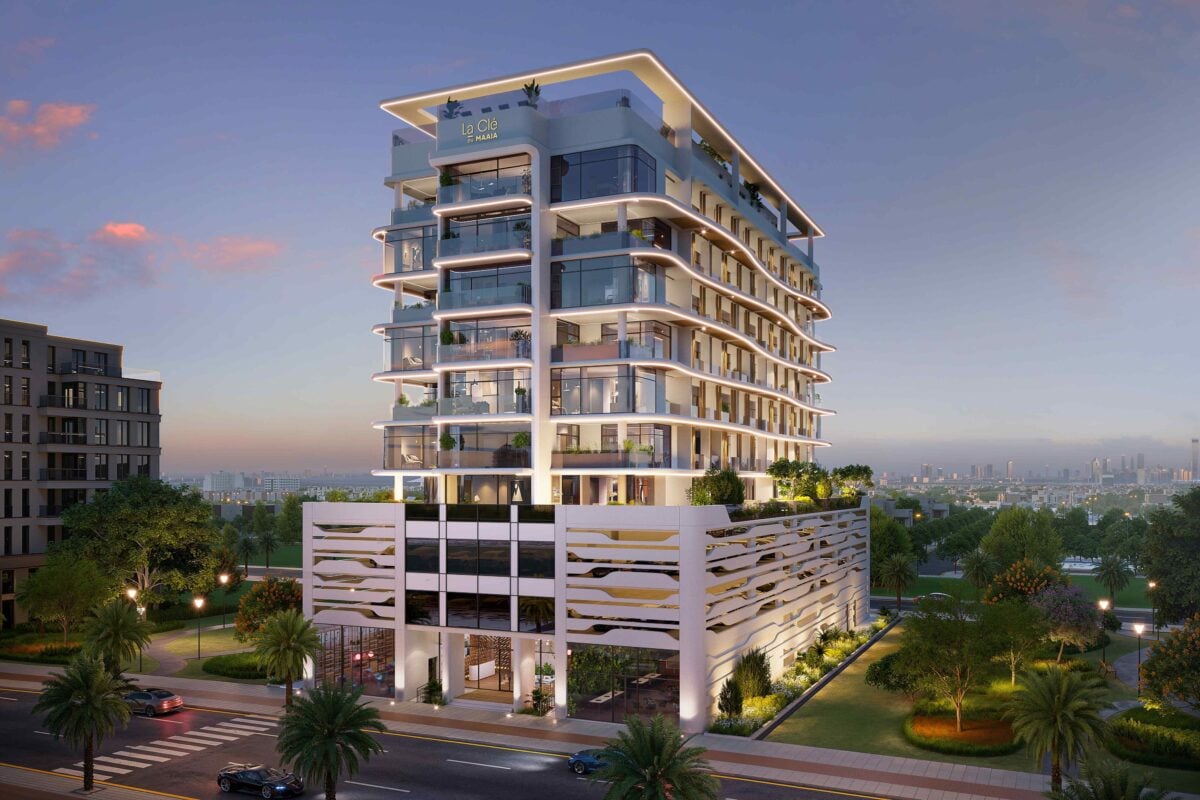
When developers approach a 3D rendering studio, the first discussion is often about the quality of the renders, the number of images, animations, timelines, and pricing. Those are important decisions, but they come later. Before that, developers need to know when to start the rendering process, what information to share with the studio, which visuals are needed at each stage of the project, and where the visualization budget should be spent.
This guide takes developers in Dubai through the complete off-plan rendering journey, helping them plan the right visuals from the early design stage to the project launch and beyond.
What Is Off-Plan Property Rendering?
Table of Contents
Off-plan property rendering is the visual representation of a project before it is built. It uses different types of rendering assets to show how the completed development will look. These visuals are created using the project’s actual dimensions, architectural details, and material selections, making them a close representation of the final property.
When Should Developers Start Off-Plan Property Rendering in Dubai?
Off-plan property rendering should begin as early as the concept stage, not when the project is ready for off-plan sales. Between these two milestones, a project goes through several stages where visualization plays an important role. Starting from concept development and design refinement to authority approvals and investor presentations. Off-plan sales are one of the final stages of the pre-construction rendering journey.
What Project Information Should Dubai Developers Share With a 3D Rendering Studio?
A good rendering studio can create satisfactory visuals with the available project information. However, the more accurate details developers can provide, the more refined and realistic the final renderings will be.
Developers should ideally share:
- Architectural drawings (CAD, BIM, or PDFs) to accurately model the project
- Site plan showing the plot layout and project location
- Floor plans, elevations, and sections to understand the building’s layout and façade
- Material specifications, finish schedules, or mood boards to recreate the intended look and feel
- Landscape and amenity plans, if available, for outdoor spaces
- Reference images for the façade, interiors, landscaping, or any design inspiration
- Site location and surrounding references to develop accurate contextual renderings
- Project stage, whether the renderings are for concept development, authority approvals, marketing, or sales
- Target audience, such as authorities, investors, channel partners, or buyers
- Required deliverables, including static renderings, walkthroughs, 360° tours, VR experiences, or interactive presentations
- Brand guidelines or marketing preferences, if available, to maintain consistency across all visual assets
Which Renderings Are Needed at Each Stage of an Off-Plan Project in Dubai?
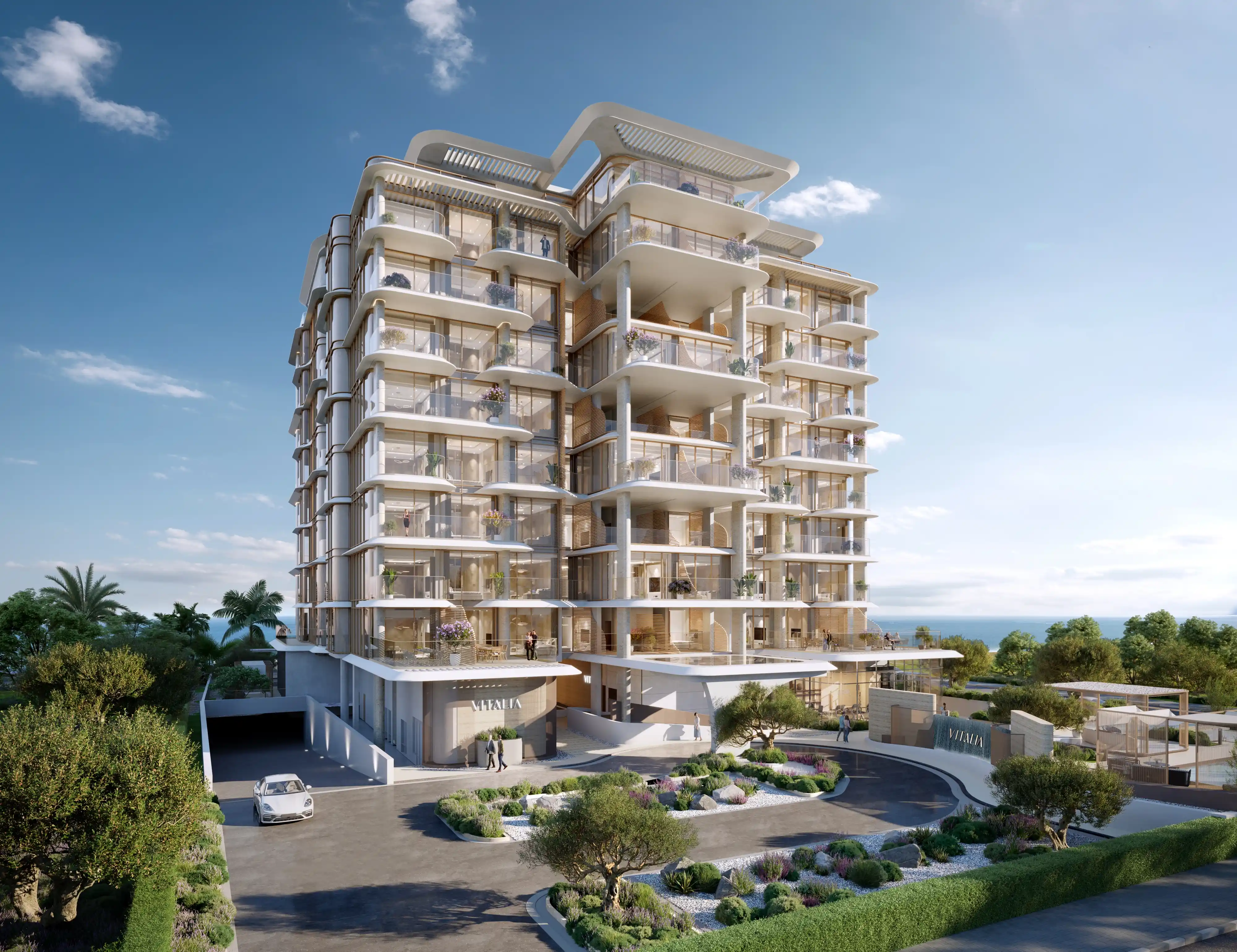
Every stage in the off-plan rendering project has a different objective, and the rendering requirements change as the project progresses. Creating every visual asset at the beginning may seem convenient, but it often leads to unnecessary revisions, unused deliverables, and additional costs as the design evolves.
A stage-wise approach helps developers invest in the right visuals at the right time.
Concept Stage
At the concept stage, developers can use concept visualizations or AI-generated renders to explore ideas and communicate the project’s overall vision without investing too much time or budget.
Design Development Stage
Once the concept is finalised, the project moves into the design development stage. Here, the design is developed with the actual dimensions, materials, and architectural details. This is the stage where developers can start investing in more detailed renderings.
The visuals may include:
- Detailed exterior renderings
- Selected interior renderings
- Material and façade studies
- Site context renderings
Authority Approval Stage
Once the design is finalised, the project moves into the authority approval stage. At this point, the focus is on presenting the project accurately, including its building form, floor layouts, site planning, parking, and overall integration with the surrounding area. Aesthetic enhancements, lifestyle elements, amenities, and people-inclusive scenes are usually not the priority at this stage.
Recommended visuals:
- Accurate exterior renderings
- Streetscape views
- Site context renderings
- Building integration with the surrounding environment
Marketing Preparation Stage
Once the project moves into the marketing stage, developers can start investing in advanced rendering assets. The type of visualization required depends on where the visuals will be used, who the target audience is, and the available budget.
The visuals may include:
- Hero exterior renderings
- Interior renderings
- Amenity renderings
- Aerial renderings
- Twilight renderings
- 3D Walkthrough animations
- 360° virtual tours
- VR experiences
- Interactive presentations (Digital Twins)
Off-Plan Sales Launch
By the time the project reaches the off-plan sales stage, the visuals remain almost the same as those created during the marketing stage. The focus now shifts towards helping the sales team become familiar with the different rendering assets. A few additional inclusions, such as sales brochures, sales gallery displays, in-office displays, and other sales creatives, are then prepared based on the project’s requirements.
Why Should Off-Plan Renderings in Dubai Include the Actual Site and Surrounding Context?
Since the property is yet to be built, the surrounding environment becomes one of the biggest points of reference for buyers. The building should not appear as if it has simply been placed against a random background. Instead, it should be integrated into its actual surroundings.
A site-accurate rendering can include neighbouring buildings, roads, parks, public spaces, nearby landmarks, transport links, and other elements that already exist around the project. Depending on the development, it can also showcase the expected views from different floors.
This helps buyers understand how the project fits into the neighbourhood, answers common location-related questions, and creates a stronger connection between the development and its surroundings.
Should Developers Be Concerned About AI in Off-Plan Property Rendering?
AI has become a part of architectural visualization, and many developers now wonder whether the visuals they receive are AI-generated or professionally created renderings.
AI is perfectly suitable during the concept stage, where developers explore ideas and different design directions. However, as the project moves into design development and the later stages, relying on AI-generated visuals becomes much easier to identify. At this stage, developers should expect professionally created architectural renderings that accurately represent the project’s dimensions, materials, layouts, and surrounding context.
Developers should also look beyond static images. A studio’s capabilities in walkthrough animations, interactive tours, VR experiences, revisions, and other advanced visualization services become equally important when selecting a rendering partner.
How to Tell the Difference Between AI Images and Architectural Renderings
- Consistency across multiple views – AI often struggles to maintain the same façade, windows, or balcony details from one image to another.
- Accurate dimensions – Architectural renderings match the approved drawings, while AI may alter proportions.
- Material consistency – Professional renderings use specified materials consistently across every view.
- Site context – Architectural renderings accurately place the building within its real surroundings instead of using a generic backdrop.
- Interior layout accuracy – Rooms, doors, windows, and furniture layouts align with the architectural plans.
- Animation capability – Professional studios can produce walkthroughs, VR experiences, and interactive presentations based on the same 3D model.
How Can Developers Choose Best Off-Plan Property Rendering Studio in Dubai?
Look for a studio with a strong portfolio of off-plan developments across the GCC, especially projects for established developers and large-scale residential, commercial, hospitality, or mixed-use developments. The studio should also offer a complete range of visualization services. Also understand how the project will be managed. Ask who your point of contact will be, how feedback will be shared, how many revision rounds are included, and what the studio considers a revision versus a feedback update.
Render Atelier has worked on visualization projects for leading developers and brands across the GCC, with its portfolio featuring developments from companies such as Emaar and Ellington Properties, along with hospitality projects including Sheraton Al Marjan. The studio also provides end-to-end visualization services, from static renderings and animations to digital twins and immersive experiences.
How Dubai Developers Can Use Off-Plan Rendering Assets Across Different Marketing Channels
Every project is different, and the final use of each rendering asset depends on the project’s requirements and target audience. Developers can use the table below as a reference when planning their marketing and sales visuals.
| Platform | What Works Best |
|---|---|
| Website | Static renderings work well as featured images and banners. Portfolio pages can include detailed walkthroughs or interactive tours, while landing and service pages can feature a short walkthrough teaser to encourage visitors to explore further. |
| Social Media | Static renderings work best for posts and carousels. Short clips from walkthrough animations are ideal for Instagram Reels, Facebook, LinkedIn, and YouTube Shorts. |
| YouTube | Full walkthrough animations, project showcase videos, and neighbourhood tours help viewers understand the project in greater detail than short-form content. |
| Property Portals | Showcase the project's rendering assets as permitted by the property portal, ensuring the most important visuals are highlighted first. |
| Sales Gallery & Sales Office |
Static renderings are commonly used across sales brochures, sales gallery displays, and in-office display panels to introduce the project. They help buyers understand and shortlist different options. Once buyers show interest, walkthrough animations, interactive tours, and VR experiences can provide a more detailed and immersive understanding of the development. |
How Can Off-Plan Rendering Assets Support a Project After Construction?
If the completed project closely matches the approved design, the same rendering assets can continue to be used for marketing, helping developers avoid creating a new set of visuals. If the budget allows, these can be complemented with professional photography and videography of the completed development.
The project’s digital twin can also continue to add value beyond marketing. It can support bookings, differentiate occupied and unoccupied units, help train support and facility teams for easier navigation and emergency response, and provide a clear understanding of the overall layout, including entry and exit points.
Final Thoughts
Every off-plan project is different, and so are its visualization requirements. Planning renderings around the project’s stage, marketing goals, and target audience helps developers make the best use of their investment. Working with the right visualization partner helps developers build a library of assets that continues to deliver value throughout the project’s lifecycle.
FAQ’s
What is the cost of off-plan property rendering in Dubai?
The cost depends on several factors, including the project size, the number of renderings required, the level of detail, animation requirements, and the project stage.
What Is the Best Off-Plan Property Rendering Studio in Dubai?
The best studio is one with a strong portfolio of off-plan projects across the GCC, experience working with established developers, and expertise across all visualization assets. Render Atelier is one such studio, having delivered end-to-end archviz projects for leading developers across the GCC.
How long does an off-plan rendering project take?
The timeline depends on the project size and the deliverables required. Sharing complete project information and providing timely feedback can help reduce delays.
Can developers outsource off-plan property rendering to another country?
Yes. Many developers work with rendering studios outside their country. With the right communication process and project management, high-quality visualization can be delivered remotely.
Can off-plan renderings be used for authority approvals?
Yes. Accurate architectural visualizations and site-context renderings can support authority submissions by helping communicate the project’s design and overall integration.

