
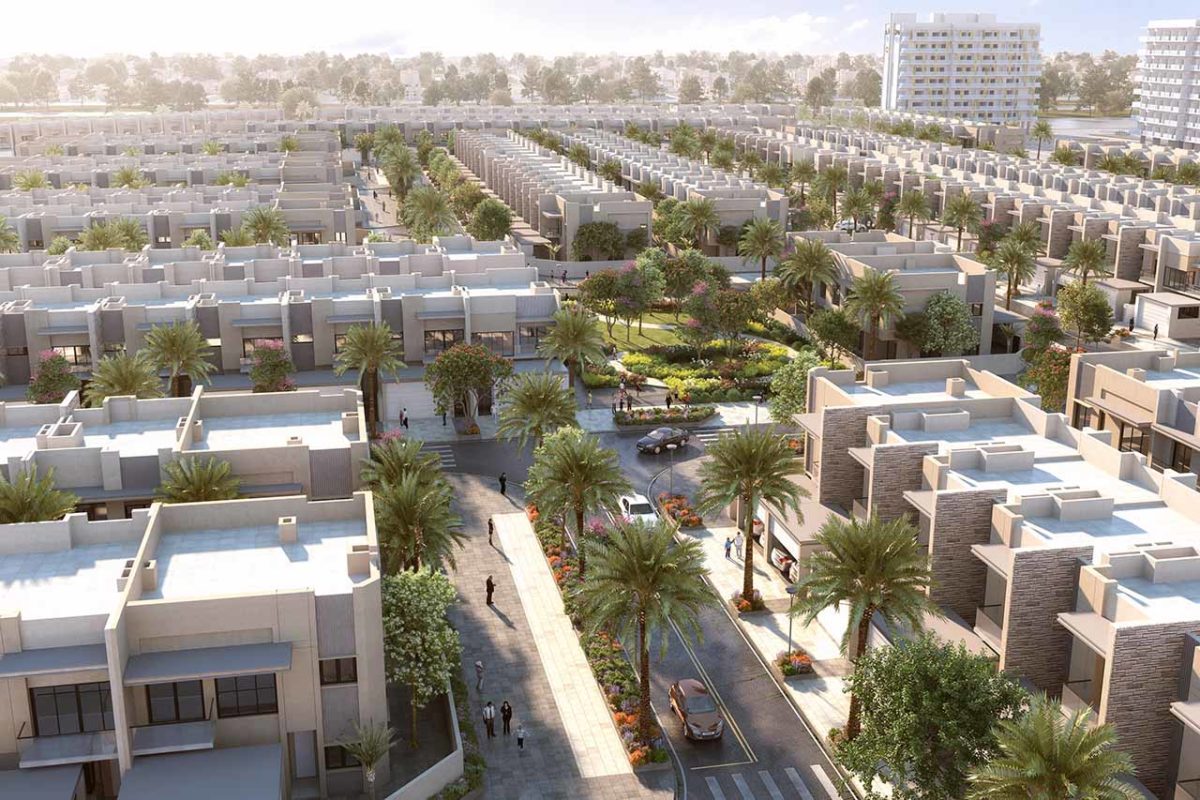
Dubai’s off-plan market is built on a fundamental gap. Buyers commit substantial capital and multi-year payment plans to properties that, at the point of sale, exist only as architectural drawings and a plot of land. There is no finished building to inspect, no interior to walk through, no way to evaluate the space firsthand. Yet units are routinely sold well before construction is complete.
The developers who consistently succeed in this environment have not closed that gap through pricing incentives or sales pressure. They have closed it visually. Leading off-plan campaigns in Dubai are built on a single principle, if buyers cannot see the finished building, they must be shown a precise and credible impression of it. One detailed enough that the distance between rendering and reality becomes negligible.
Why Floor Plans and Brochures Are No Longer Sufficient
Table of Contents
For years, the standard off-plan sales package consisted of floor plans, a scale model in the sales office, and a brochure featuring a handful of skyline images. This approach was adequate when the market was smaller, and buyers were more willing to interpret technical drawings themselves. It no longer meets buyer expectations.
A two-dimensional floor plan requires the buyer to translate abstract lines into a lived experience to judge whether a fourteenth-floor balcony will feel generous, how natural light will move through a living room over the course of a day, or whether a kitchen layout will feel functional. This translation is difficult to perform reliably, and misjudged proportions are common in spaces that appear ample on paper but often feel constrained in person, and the reverse is equally true. Buyer hesitation in these cases rarely reflects a lack of interest in the property; it reflects genuine difficulty visualizing what is being purchased.
That hesitation carries direct commercial consequences, extended sales cycles, buyers who tour multiple projects without converting, and deals that stall indefinitely at the consideration stage. High-quality visualization is the primary tool developers use to close this gap between technical documentation and buyer understanding.
The Visualization Toolkit Used by Leading Developers
Top-performing developers do not rely on a single image or format. They deploy a layered set of visualization tools, each addressing a distinct stage of buyer decision-making.
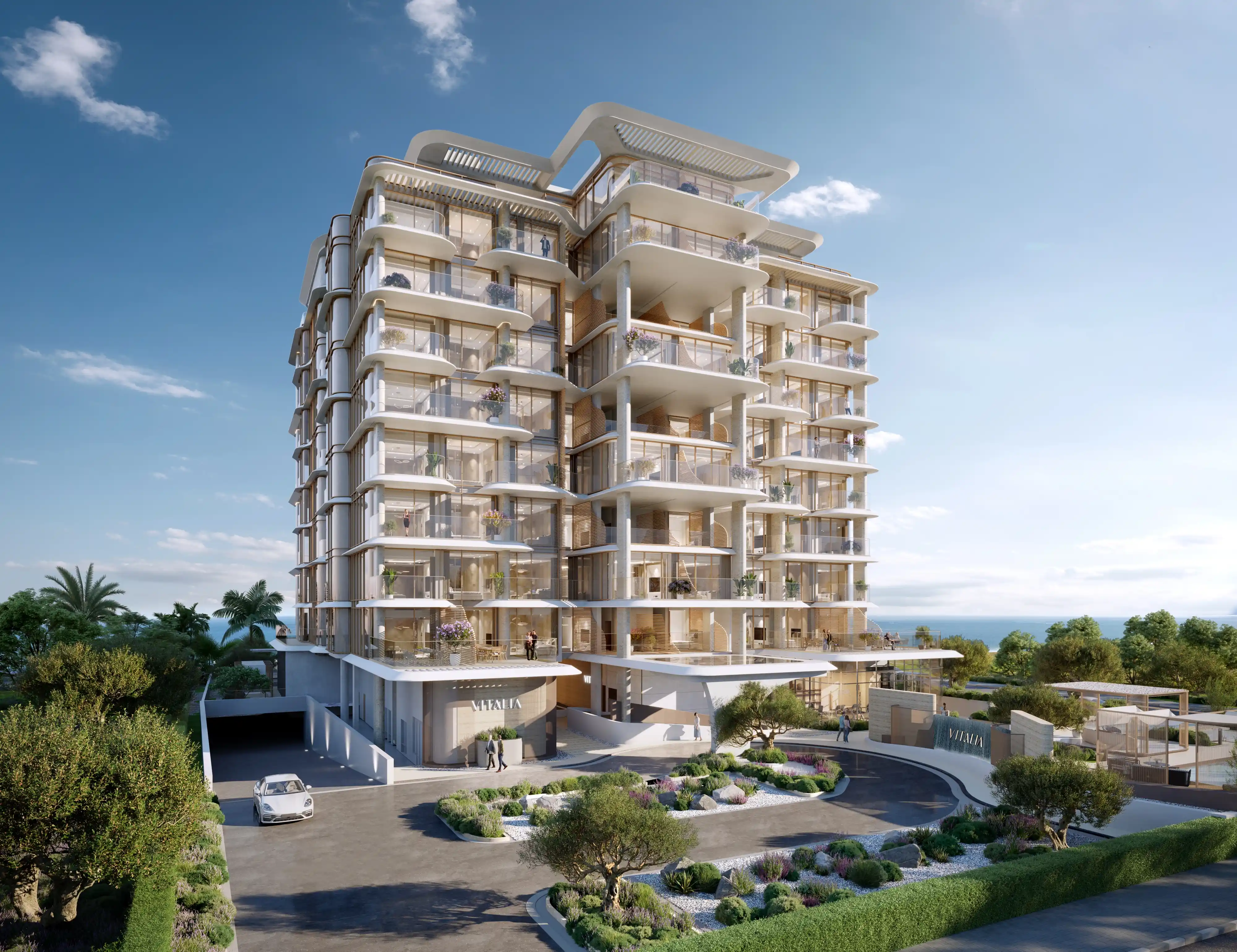
Photorealistic exterior renders establish context and positioning. An exterior render situates a development within its surroundings – a tower against a marina skyline, a villa within a landscaped community – and communicates a project’s market tier before any technical specification is reviewed. As the first visual asset most buyers encounter on a property portal or advertising campaign, the exterior render functions as the initial impression of the entire project.
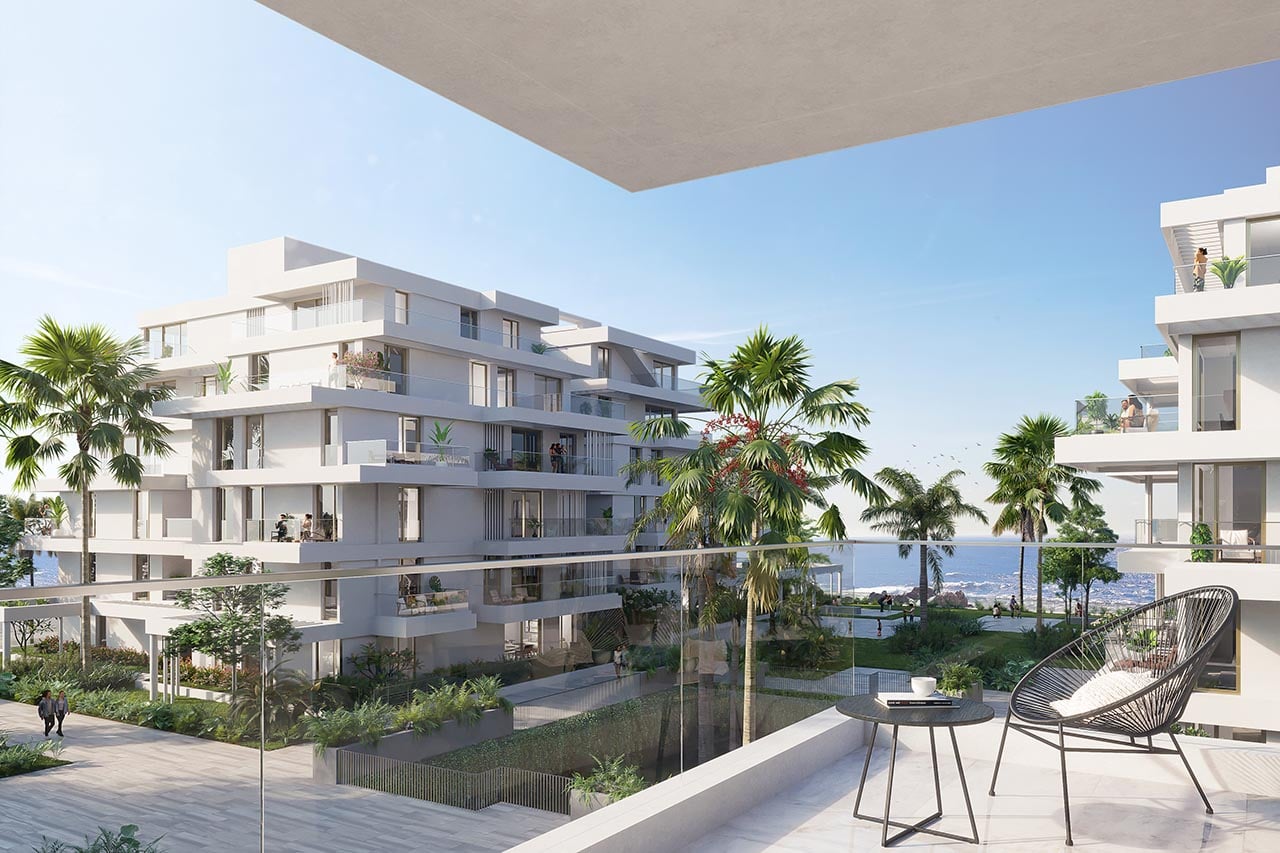
Interior CGI communicates material quality, lighting, and lifestyle positioning. This includes finishes, spatial proportions, and ambiance details that influence a buyer’s emotional response to a space independent of its technical specifications. Interior visualization is typically the format most closely associated with buyer engagement and inquiry generation.
Animated walkthroughs introduce a sequential, narrative structure to the presentation, guiding a viewer through a space in the order an architect intended, from entry through living areas to outdoor spaces. This format more closely approximates an in-person viewing than any static image can.
VR and interactive tours address a structural feature of the Dubai market. A significant proportion of buyers are based internationally and may not visit a property in person prior to purchase. Interactive tours allow remote buyers to navigate a unit independently, reducing geographic distance as a barrier to commitment.
Interactive master plans allow buyers to compare units, floor levels, and orientations directly, rather than relying solely on broker-led descriptions. A growing number of developers pair these tools with engagement tracking, identifying which units and finishes attract the most attention, and use that data to prioritize sales follow-up.
From Visualization to Credibility
The current phase of Dubai’s off-plan market adds an important dimension to this picture. In earlier periods, strong visual presentation alone was often sufficient to drive rapid sales, particularly when paired with a sense of urgency. That dynamic has shifted. Buyers are now more deliberate, more comparative across projects, and slower to commit than in previous cycles.
Developer leadership across the market has described this shift in consistent terms that buyers increasingly expect verifiable evidence rather than persuasive imagery alone. This includes visibility into construction progress, a developer’s delivery track record, and confidence in payment and escrow structures.
This does not diminish the role of rendering; it repositions it. The most effective campaigns now treat visualization as one component of a broader credibility framework rather than the primary sales instrument. A well-executed render paired with transparent construction updates and a demonstrated delivery history is considerably more persuasive than visual quality alone. Buyers still require an emotional connection to a property, but that connection must now be paired with confidence in the developer delivering it. Developers performing well in the current market are those integrating both elements into a single, coherent campaign.
Final Thoughts
High-quality 3D rendering is no longer a differentiator in Dubai’s off-plan market; it is a baseline expectation. The majority of active developers now employ some version of the visualization toolkit described above, meaning photorealism alone is insufficient to distinguish a project competitively.
The developers gaining the strongest market position are those combining visual presentation with verifiable substance, renderings that accurately reflect what will be delivered, walkthroughs supported by genuine construction transparency, and campaigns built around informed, patient decision-making rather than urgency. The underlying challenge of off-plan sales, asking buyers to commit to a property that does not yet exist, remains unchanged. What distinguishes leading developers is their ability to narrow the gap between rendering and reality to the point where buyers can commit with confidence.
FAQ’s
How do Dubai developers use 3D rendering for off-plan sales?
Dubai developers use 3D renderings for brochures, digital campaigns, sales galleries, investor presentations, websites, and virtual property tours to showcase projects before completion.
What types of 3D renderings are used in off-plan real estate marketing?
Common types include exterior renderings, interior renderings, aerial views, masterplan visualizations, CGI walkthroughs, and 360° virtual tours.
How do 3D renderings help attract international buyers?
They allow overseas buyers to explore projects remotely through realistic visuals and immersive virtual experiences, reducing the need for physical site visits.
Can 3D renderings improve buyer confidence?
Yes, high-quality renderings provide a realistic representation of the future development, helping buyers make informed purchasing decisions.
Why are virtual tours becoming popular in Dubai's off-plan market?
Virtual tours offer an interactive way for buyers to experience properties remotely, making off-plan developments easier to understand and compare.
How do you choose a 3D rendering company in Dubai?
Look for a 3D rendering company in Dubai with relevant project experience, strong visual quality, architectural understanding, reliable communication and a clear revision and delivery process.

