
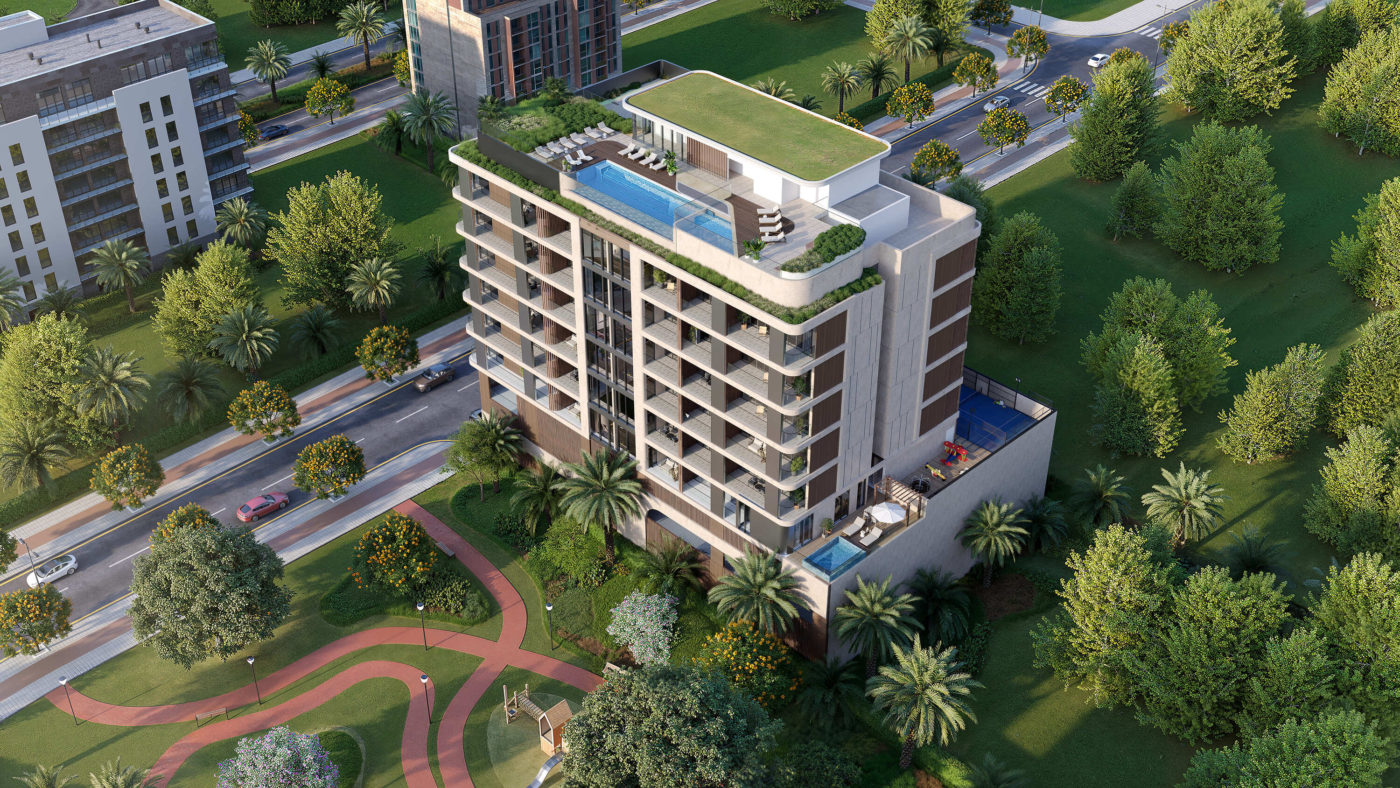
A developer selling units off an empty plot has no walls to photograph. An agent listing a flat that’s already furnished and sunlit has no reason to render one. Neither needs the other’s tool, and that, more than any technical comparison, needs an actual answer to the question, “Which is better for real estate marketing, 3D rendering or Photography?“
Most discussions around this topic frame it as a rivalry, such as which one is better and which one wins. It isn’t a rivalry. It’s a timing problem. The property either exists or it doesn’t, and that single fact decides almost everything else, like cost, flexibility, how fast you can turn it around, and even how much a buyer trusts what they’re looking at.
The Core Difference Between 3D Rendering vs Photography for Real Estate: What Exists vs What's Imagined
Table of Contents
Photography documents. Rendering visualizes. That’s the one distinction everything else traces back to. A camera can only capture what’s physically in front of it. A render starts from architectural plans or a 3D model, which means it can show a space that’s still just a drawing on someone’s desk. Once that’s clear, the rest of the decision gets a lot easier.
When Photography Wins
Photography is still the right call for anything that already exists and is ready to be seen as-is.
● Resale and rental listings
Buyers on portals expect to see the actual unit, not an interpretation of it.
● Move-in-ready properties
Staging a real room with real light does more for buyer confidence than any render can, because there’s nothing to second-guess.
● Speed
Once the shoot happens, editing and delivery is usually a same-day or next-day turnaround.
● Trust
“What you see is what you get” is a real selling point, particularly for resale buyers who’ve been burned before by listings that oversold.
The catch is obvious. Photography can’t help you if there’s nothing built yet, and it can’t fix a room that photographs poorly no matter how good the space actually is to live in.
When Rendering Wins
Rendering earns its place at the exact point where photography runs out of options, and that is before construction or before renovation.
● Pre-launch and off-plan sales
Developers routinely sell entire phases of a project using nothing but renders, because that’s the only visual asset available at the booking stage.
● Creative control
Lighting, weather, staging, even finishes can all be adjusted in software. Want to show the same unit with two different flooring options, or the living room at golden hour instead of midday? That’s a software change, not a reshoot.
● Cost efficiency at scale
The upfront modeling work is the heavy lift, but once that 3D model exists, generating new angles or a day-and-night version of the same shot costs a fraction of what a second photo shoot would.
The trade-off is that a render sets an expectation. If the finished property doesn’t match its mood and finish quality, that gap becomes the buyer’s first disappointment. Which is why 3D rendering studios build renders around what will realistically be delivered, not just what looks impressive in a pitch deck.
Cost and Timeline: 3D Rendering vs Photography for Real Estate
Photography costs scale with the shoot itself, which includes square footage, number of rooms, whether drone shots are needed for the exterior, how much staging is involved. It’s a per-project cost that resets every time you need new images.
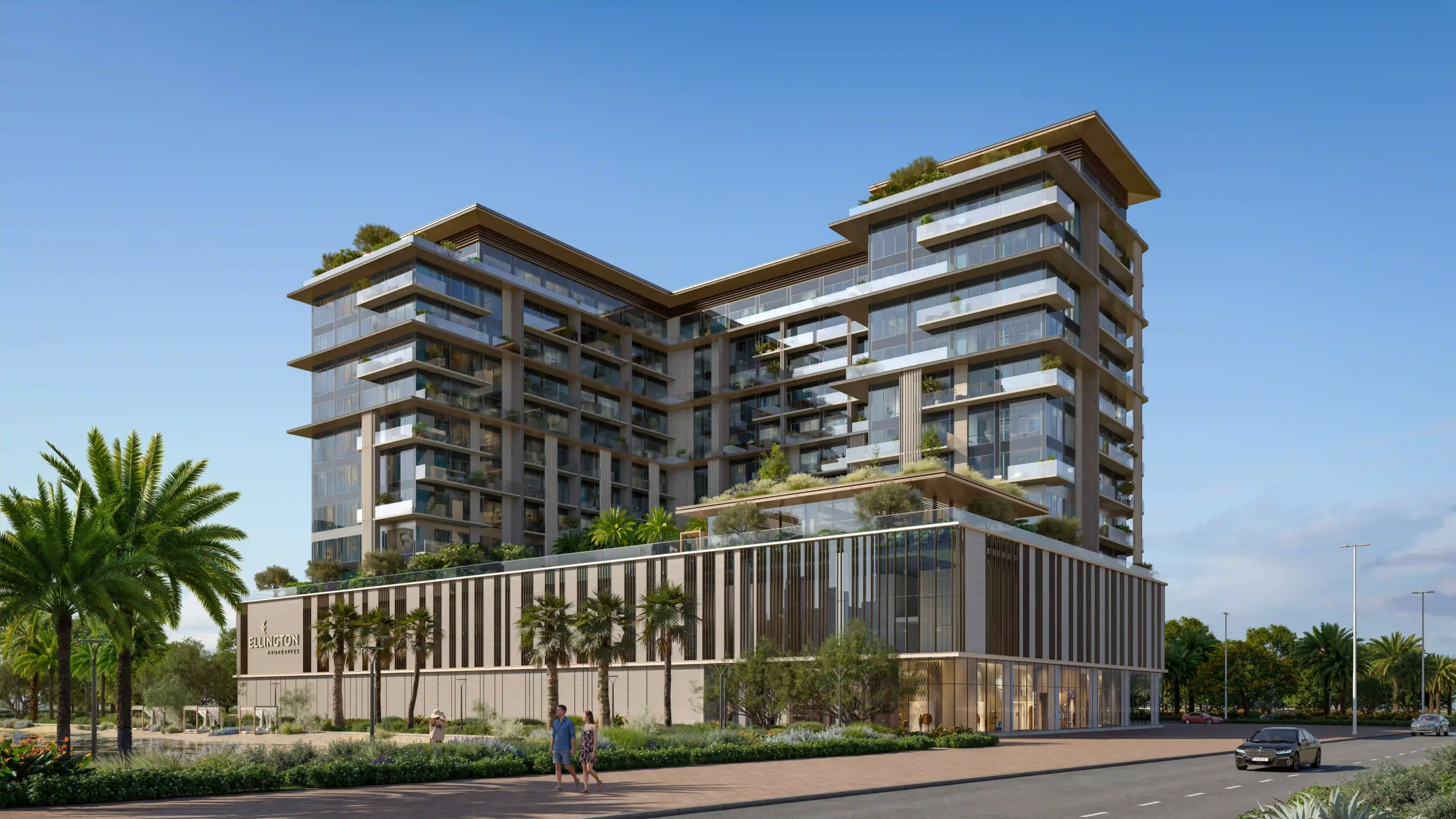
Rendering flips that. The first render of a space costs more upfront because the model has to be built from scratch. This includes every wall, surface, and light source that has to be set up before a single image comes out the other end. But every variation after that- a different room, a different lighting mood, a different design option is cheaper and faster than the one before it, because the base model already exists and only needs adjusting, not rebuilding.
Turnaround follows the same logic in reverse. A shoot is quick to schedule and deliver once it happens. Here is a catch, though, each new requirement, like a different season, a different time of day, or a redesigned interior, means going back on-site. A render takes longer the first time, but revisions after that come back in a fraction of the time, since there’s no physical location to revisit.
So the real question isn’t which is cheaper in the abstract. It’s how many variations you actually need. Market one unit once, and photography is simpler and likely cheaper. Market forty units across three design packages and two seasonal campaigns, and rendering starts looking far more efficient, since you’re paying once for the model and comparatively little for every version after.
The Smart Move: Using Both 3D Rendering and Photography for Real Estate
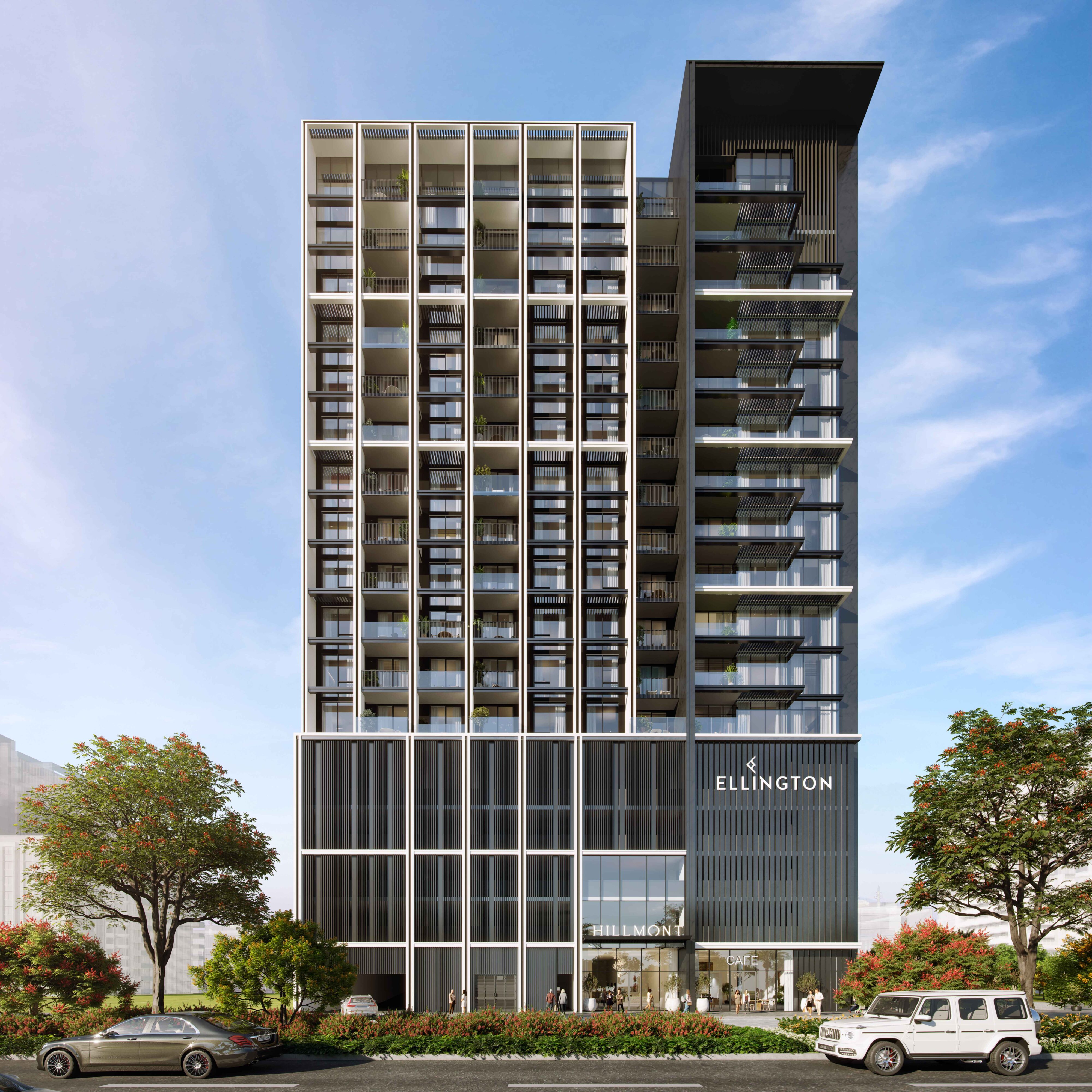
Here’s what most real estate marketing actually looks like once you stop treating this as a binary choice. Real estate renders carry the pre-launch phase, when there’s nothing to photograph yet. Photography takes over the moment units are ready for resale, rentals, and any listing where the finished product needs to speak for itself.
Used this way, they’re not competitors. They’re the same campaign at two different points in the property’s life. One selling the promise, the other confirming it.
So, Which Do You Need?
Ask it differently. “What stage of the property’s life are you marketing right now?” If it’s still on paper, rendering is your only real option and a good one. If it’s built and ready, photography does the job. And as rendering technology keeps closing the gap on realism, that line between the two is only going to get blurrier, which, for anyone marketing property, is a good problem to have.
FAQ’s
Is 3D rendering as effective as real photos for selling a property?
For pre-construction sales, rendering isn’t just as effective, it’s the only option available, since there’s nothing to photograph yet. For completed properties, real photography can show the actual space rather than a representation of it.
How much more expensive is 3D rendering compared to photography?
It depends on volume. A single render costs more upfront than a single photo shoot because a 3D model has to be built from scratch. But if you need multiple variations with different lighting, different design options, different units in the same layout, rendering becomes cheaper per image, since the base model is reusable.
Can 3D renders be mistaken for real photos?
Modern architectural rendering has gotten close enough that casual viewers often can’t tell the difference at a glance. That said, most developers and studios disclose that marketing visuals are renders, both for transparency and to manage buyer expectations before the property is delivered.
Do buyers trust renders less than actual photographs?
Generally, yes. Buyers understand a render is a representation, not the finished product, so they mentally build in some allowance for change. This is why the render’s realism and consistency with the eventual build matters.
When should a real estate project switch from renders to photography?
The moment the property (or a show unit/model flat) is ready to be seen in person. Many developers run renders through the entire pre-launch and construction phase, then commission a professional photo shoot as soon as the first units are handed over, to refresh the marketing with real images.

