
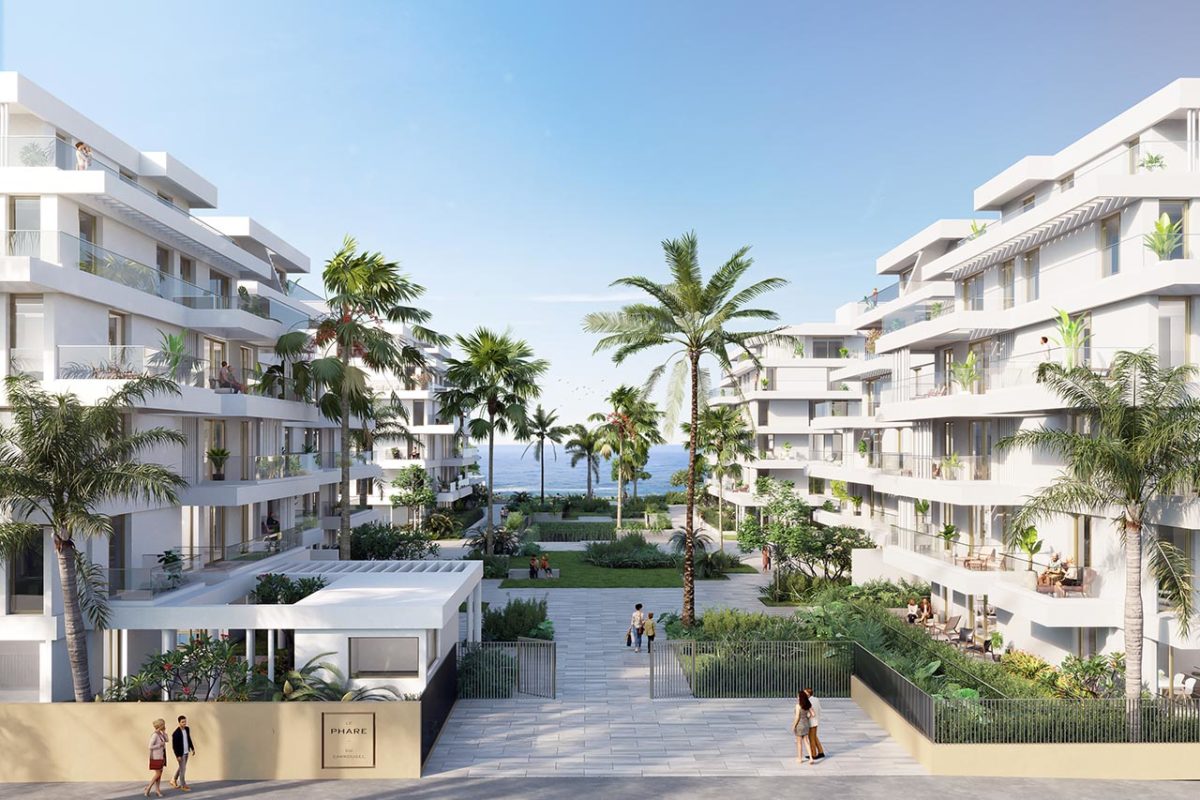
The UAE real estate market has grown at a pace that few property markets can match. From luxury residential towers and branded residences to villa communities, mixed-use developments, hotels, and waterfront projects, the scale of development across Dubai, Abu Dhabi, and other emirates has changed how projects are planned, marketed, and sold.
This growth has also changed what architectural visualization is expected to deliver. In a competitive market, developers can no longer rely only on floor plans, brochures, and a few standard renders. Buyers, investors, brokers, and stakeholders now expect visuals that are realistic, immersive, accurate, and easy to understand. For many off-plan developments, the first serious experience of the project happens through CGI, walkthroughs, virtual tours, or digital presentations.
As a result, architectural visualization in the UAE is no longer just about creating attractive images. It has become a key part of project positioning, buyer communication, and real estate marketing
The New Baseline for Real Estate Visuals
Table of Contents
The UAE property boom has created more demand for architectural visualization, but the bigger shift is in quality expectations. With several premium projects competing for buyer attention, visual content has to work harder.
A basic render may show what a building looks like. A strong architectural visualization package shows how the project feels, how the space functions, and why the development is worth considering.
For developers and architects, this means visuals need to communicate:
● Design intent
● Material quality
● Spatial scale
● Lifestyle experience
● Amenities and surroundings
● Views and atmosphere
● Project value before completion
This is especially important in the UAE, where many developments are marketed before construction is complete. The visual experience often becomes the buyer’s first point of trust.
Photorealism Has Become a Standard Expectation
Photorealism is no longer seen as an optional upgrade for serious real estate launches. It is increasingly becoming the expected standard, especially for premium residential, hospitality, and mixed-use projects.
Buyers today are exposed to high-quality property visuals across websites, social media, digital ads, brochures, and sales galleries. This has made them more selective. A render that looks flat, artificial, or unfinished can affect how the project is perceived.
Photorealistic visualization focuses on details such as:
● Natural and artificial lighting
● Realistic textures and finishes
● Accurate shadows and reflections
● Furniture styling
● Landscaping
● Exterior materials
● Interior depth and proportion
● Day and night moods
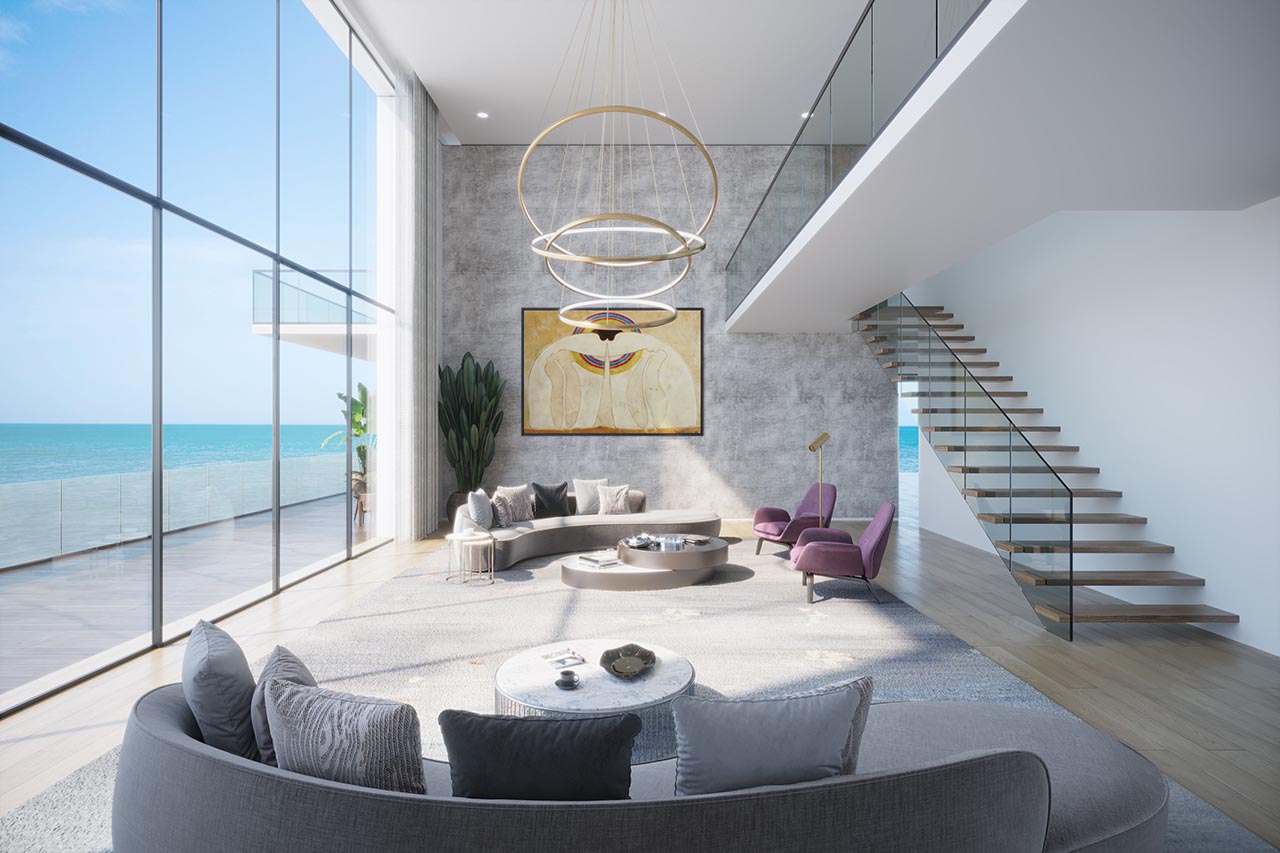
For luxury developments, material quality is especially important. The finish of marble, the texture of wood, the look of glass, the warmth of lighting, and the detailing of furniture all influence how premium the space feels.
In the UAE real estate market, these details are not just decorative. They help buyers understand the quality being promised.
Material Accuracy Matters More Than Ever
In high-value property segments, buyers want to see the details clearly before making a decision. This is where material fidelity becomes important.
Architectural visualization must show surfaces, finishes, and textures in a way that feels believable. If a project promises premium interiors, the visuals must reflect that quality with accuracy.
For example, a luxury apartment render should clearly communicate:
● The finish of stone or marble surfaces
● The texture of fabrics and upholstery
● The sheen of metal fixtures
● The warmth of wooden panels
● The quality of kitchen finishes
● The mood created by lighting
This helps buyers and investors understand the design standard before the project is complete. It also helps developers present their offering with more confidence.
The goal is not just to make a render look beautiful. The goal is to make the visual feel credible, detailed, and aligned with the actual project promise.
Visuals Now Need to Sell Lifestyle, Not Just Space
The UAE real estate market often sells more than property. It sells lifestyle, status, comfort, location, and future experience.
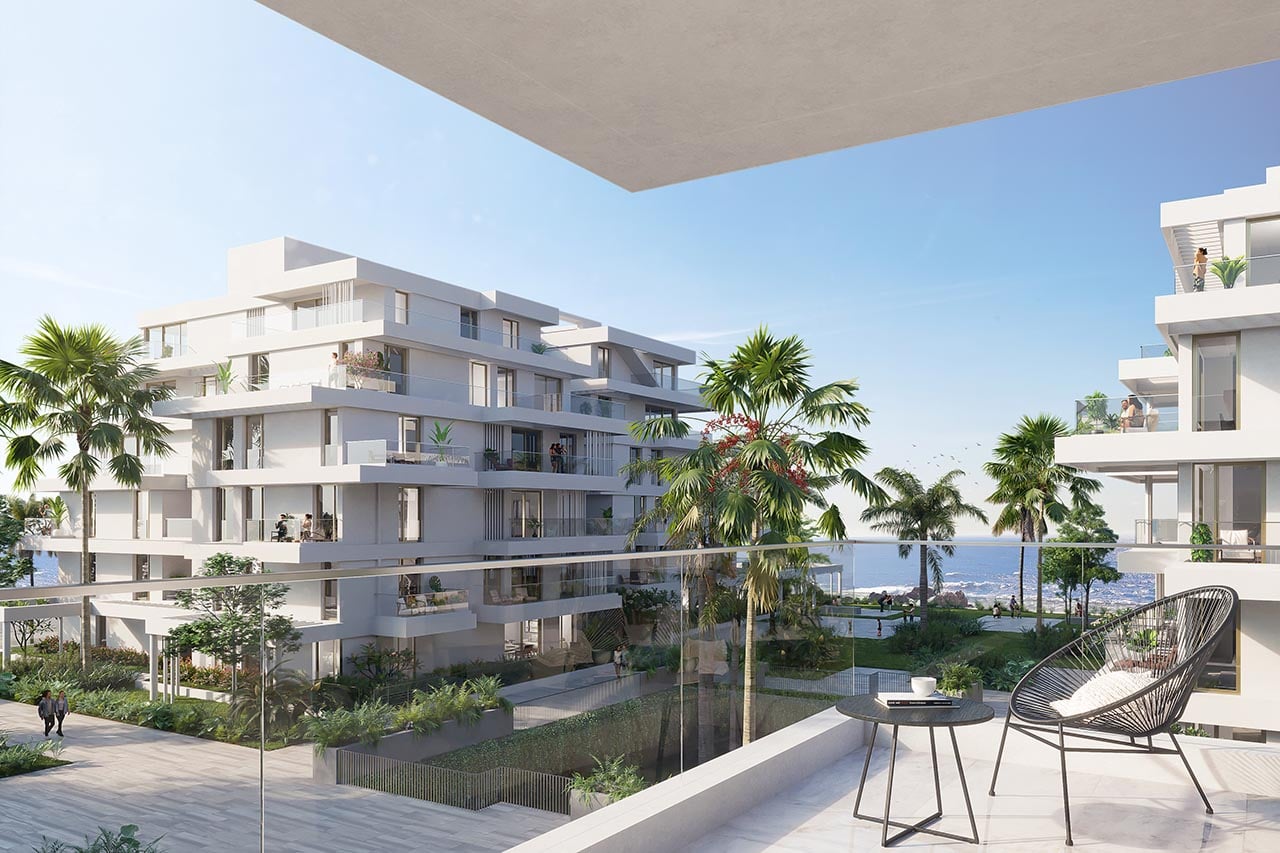
A waterfront residence is not only about the apartment size. It is also about the view, the balcony experience, the evening mood, and the sense of exclusivity. A villa community is not only about the number of bedrooms. It is also about privacy, outdoor living, family comfort, and community amenities.
This means architectural visualization must go beyond showing walls, façades, and floor plans. It must show how the space may be used and experienced.
Lifestyle-based visuals may include:
● Residents relaxing near a pool deck
● Families using landscaped outdoor spaces
● A premium arrival experience in the lobby
● A balcony overlooking the skyline or waterfront
● A clubhouse designed for social interaction
● A gym, spa, or lounge shown in everyday use
● Outdoor lighting that creates evening atmosphere
These details help buyers emotionally connect with a project. They allow the viewer to imagine life inside the development, not just understand its layout.
Immersive Visualization Is Becoming the Next Expectation
Static renders are still important, but they are no longer the only visual requirement for major real estate renderings. Buyers increasingly expect more immersive experiences that allow them to explore a project more deeply.
This includes:
● CGI walkthroughs
● 360° virtual tours
● VR presentations
● Interactive unit experiences
● Real-time design options
● Digital sales gallery experiences
These formats help buyers understand movement, scale, layout, and atmosphere. A still render can show one angle, but a walkthrough can show how a resident moves through the space. A 360° tour can allow a buyer to explore a room, amenity, or apartment layout at their own pace.
For off-plan developments, immersive visualization can make the project feel more real before it is built. This is particularly valuable for international buyers, luxury projects, and large masterplans.
Real-Time Customization Is Changing Buyer Expectations
Another important shift is the demand for customization. Buyers may want to compare different unit types, interior styles, furniture layouts, flooring options, or finish palettes before making a decision. This has changed what visualization needs to deliver.
Instead of producing only fixed final images, studios may need to create flexible visual assets that support multiple options. This can include different interior themes, material variations, or layout configurations.
Real-time visualization tools make this process more interactive. Buyers can see how a space changes when finishes, furniture, or design elements are adjusted. For developers, this makes the sales experience more engaging and personalized.
This approach requires a different production mindset. Studios need organized asset libraries, consistent material systems, and workflows that can support change without rebuilding everything from the beginning.
Final Thoughts
The UAE real estate boom has raised the standards for architectural visualization. As more projects compete for buyer attention, visual content now needs to do more than show what a building looks like. It must help buyers understand the project, trust the design, and connect with the lifestyle being offered. For developers, architects, and real estate marketers, high-quality 3D renders, CGI walkthroughs, virtual tours, and immersive experiences are no longer optional add-ons for serious project launches. They are becoming essential tools for communication, marketing, and sales.
In a market shaped by off-plan sales, global buyers, luxury expectations, and fast project launches, architectural visualization has become one of the most important ways to bring unbuilt spaces to life.
The projects that are presented with clarity, realism, and strong visual storytelling will be better placed to stand out in the next phase of the UAE real estate market.
FAQ’s
What does the UAE real estate boom mean for architectural visualization?
It means developers now need higher-quality CGI, renders, walkthroughs, and virtual tours to present projects more clearly and competitively.
Why is architectural visualization important for UAE real estate projects?
It helps buyers understand the design, lifestyle, amenities, and value of a project before it is built.
How has the UAE property market changed CGI standards?
It has pushed CGI standards toward more photorealistic, accurate, immersive, and sales-focused visuals.
Why is photorealistic CGI important in the UAE property market?
Photorealistic CGI helps buyers trust the project by showing interiors, exteriors, finishes, and amenities more realistically.
How does CGI support off-plan property sales?
CGI helps buyers visualise the completed property and make more informed decisions before construction is finished.
What types of visualization are used for UAE real estate marketing?
Developers use 3D renders, CGI walkthroughs, 360° virtual tours, VR presentations, masterplan visuals, and interactive sales tools.

