
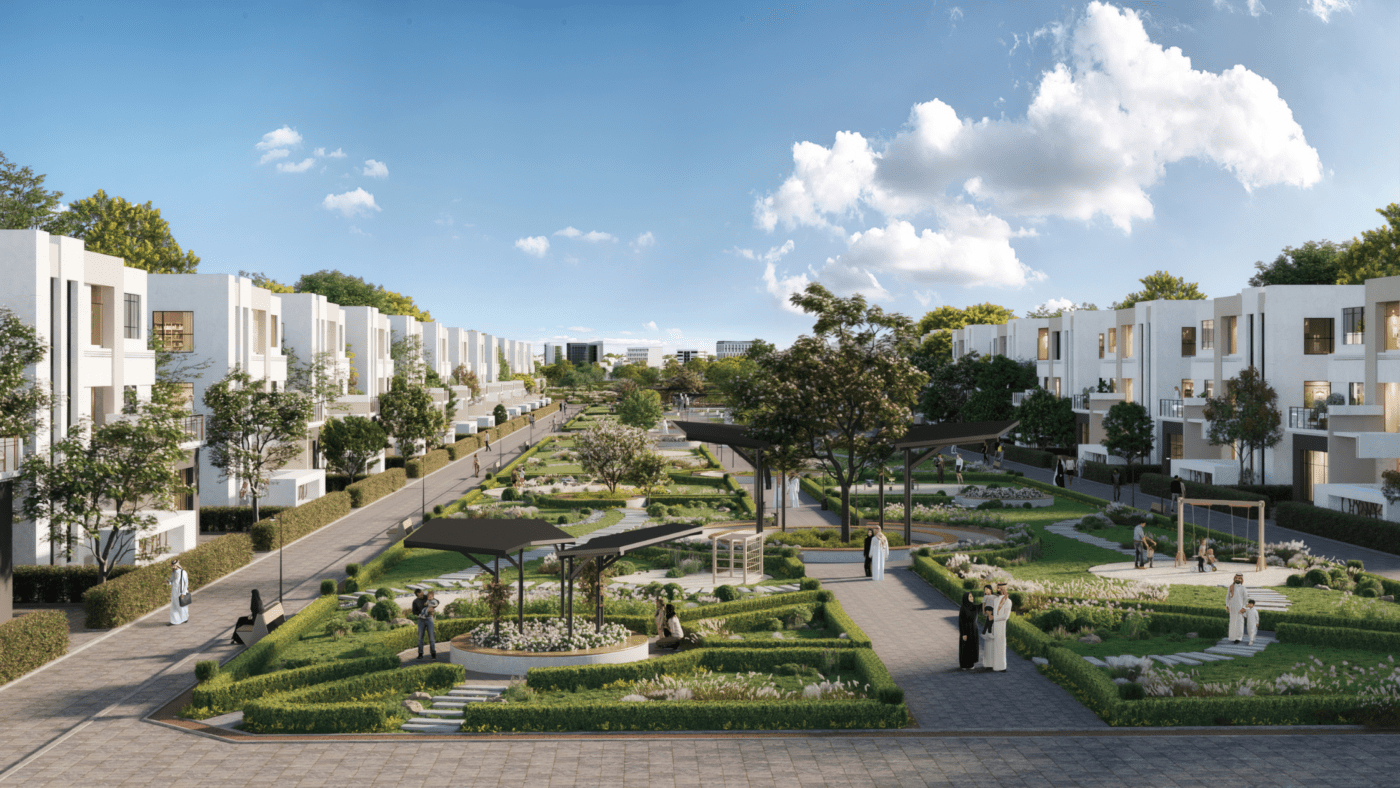
One of the biggest mistakes we see on multi-phase developments is not poor visualization. It is treating architectural visualization services as a one-time purchase. A fixed package of renders may work for a small project, but large developments rarely stand still. Planning feedback arrives, layouts evolve, leasing teams request new views, materials change after value engineering, and marketing needs fresh content at every launch milestone.
Large, multi-year developments have outgrown the one-time visualization brief and evolved to phased architectural visualization. The question is no longer ‘How many renders do we need?’ It is ‘What visuals will this project need over the next three years?’ The answer changes how the entire engagement should be planned.
Why a One-Time Render Package No Longer Serves a Multi-Phase Development
Table of Contents
The first visualization brief is almost never the last. That is a pattern we see across complex developments. Every major decision creates another communication requirement. Planning authorities need one set of visuals. Leasing teams need another. Investors ask different questions from homebuyers. Trying to satisfy all of those needs with one package usually leads to repeated briefs, duplicated effort, and inconsistent visual assets.
The issue is not the render package itself. The issue is expecting a single package to support a project that is still evolving.
The Three Stages Every Architectural Visualization Services Brief Should Be Structured Around
Many projects run into delays because every decision is treated with the same level of priority from the beginning. In reality, not everything needs to be finalised at once. A well-planned architectural visualization services brief separates the process into stages, allowing the team to review the right elements at the right time. This reduces unnecessary revisions, keeps the project moving, and helps everyone make decisions with greater confidence.
Stage 1: Geometry
The first stage of the visualization pipeline for developers focuses on the building itself. The goal is to confirm the design before time is spent on high-end visuals.
At this stage, the visualization team checks elements such as:
● Overall massing and building form
● Floor layouts and spatial planning
● Façade proportions
● Window and door placements
● Rooflines, balconies, and other architectural details
Any changes made here are relatively simple. Once detailed materials, landscaping, and lighting are added, even small design revisions can require significant rework. Finalising the geometry first helps avoid unnecessary costs later.
Stage 2: Mood
Once the design is stable, the focus shifts to the story the project should tell. A visualization is not only about showing a building but also about helping people imagine the experience of being there.
This stage defines elements such as:
● Time of day
● Lighting conditions
● Weather
● Landscaping
● Human activity
● Camera angles and composition
These decisions influence how buyers, investors, and stakeholders perceive the project. A residential community presented on a bright morning creates a different impression from the same project shown during a warm sunset, even though the architecture remains unchanged.
Stage 3: Materials
Detailed finishes should come only after the design and visual direction have been approved. By this stage, the team knows what the building looks like and how it should feel, making it much easier to refine the finer details.
Material reviews may include:
● Exterior cladding
● Glass specifications
● Flooring and paving
● Metal and timber finishes
● Interior finishes, where applicable
Since the major design decisions have already been approved, the team can focus on achieving realism instead of repeatedly correcting the underlying model. This staged approach helps reduce revisions, improves collaboration, and makes better use of the project’s visualization budget.

How Phased Delivery Gives Developers More Control
One design revision can affect dozens of approved visuals. A podium redesign, a revised entrance, or a new balcony detail quickly becomes a costly exercise if every marketing image has already been completed.
A phased delivery model reduces that risk. Each stage builds on approved work instead of replacing it. With a visualization pipeline for developers, they gain better control over budgets, approvals, and timelines while the visual quality continues to improve as the project matures.
Brand Identity Must Be Visible Without Being Forced
One design revision can affect dozens of approved visuals. A podium redesign, a revised entrance, or a new balcony detail quickly becomes a costly exercise if every marketing image has already been completed.
A phased delivery model reduces that risk. Each stage builds on approved work instead of replacing it. With a visualization pipeline for developers, they gain better control over budgets, approvals, and timelines while the visual quality continues to improve as the project matures.
What a Preferred-Studio Retainer Looks Like in Practice
Why Early Engagement Defines the Entire Pipeline
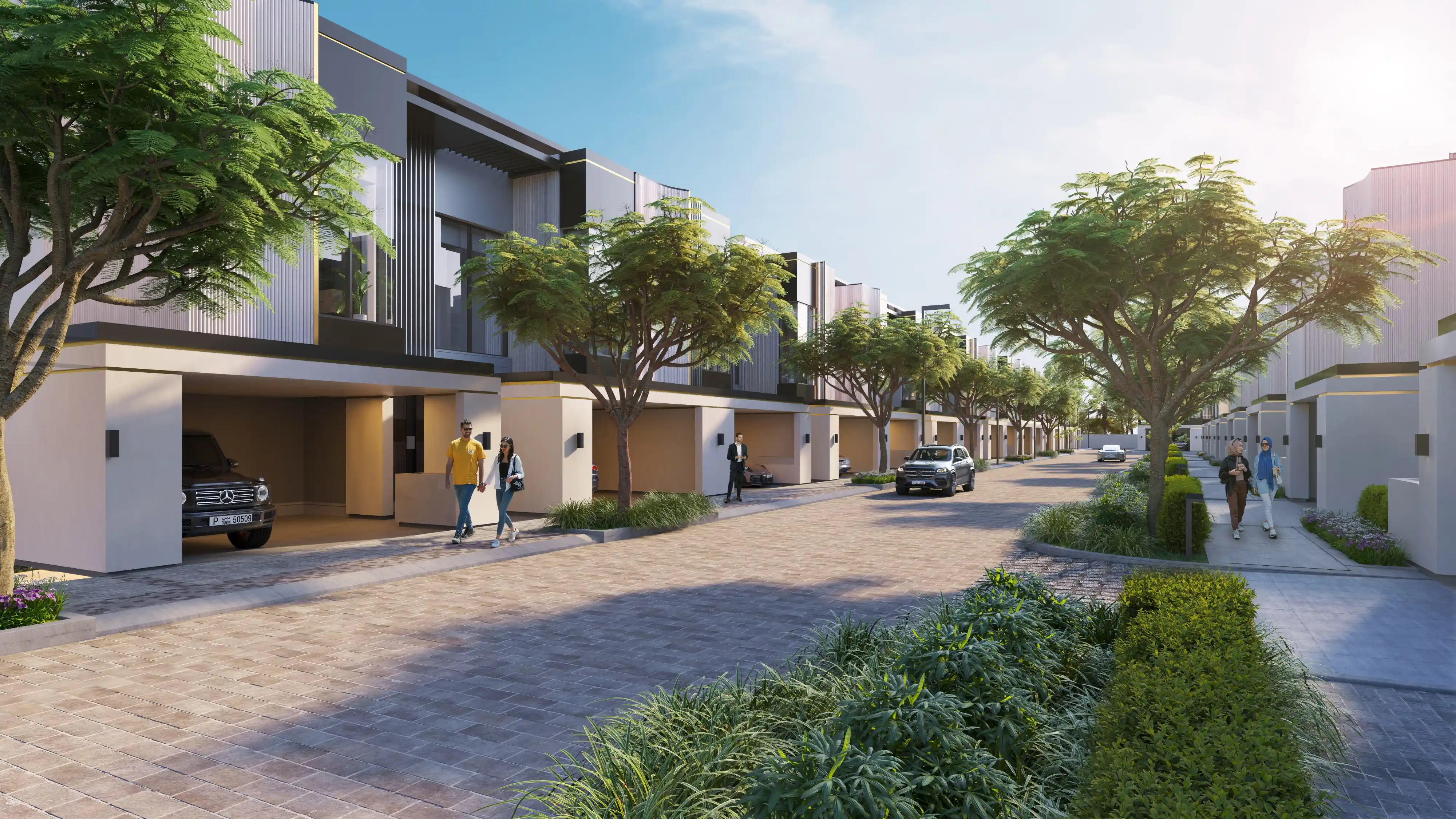
The strongest architectural visualization pipelines begin well before the first marketing render. Bringing a visualization partner into planning approvals or early leasing discussions allows the digital model to develop alongside the project instead of being built after key decisions have already been made.
This also gives the visualization team time to understand the project’s goals, identify potential challenges, and plan the visual assets needed at different stages. By launch, the project already has a reliable visual foundation instead of a collection of disconnected assets, making revisions faster and maintaining consistency across every deliverable.
Final Thoughts
FAQ’s
At what stage should a visualization studio be involved in a development?
The earlier, the better. Bringing a visualization partner in during concept design, planning approvals, or leasing discussions allows the visual strategy to grow alongside the project. Early involvement also reduces repeated modelling work later in the development.
Does a phased visualization approach increase the overall project cost?
Not necessarily. A phased approach spreads visualization across the project lifecycle instead of producing every asset upfront. It also helps avoid unnecessary revisions and recreating assets after major design changes, making the budget easier to manage over time.
Can the same 3D model be used for marketing, sales, and planning presentations?
Yes, if it is developed with a long-term strategy in mind. A well-managed master model can support planning visuals, investor presentations, marketing renders, animations, and sales material while being updated as the project evolves.
Is a phased visualization workflow suitable for every project?
Not always. Smaller developments with a fixed scope may only require a one-time visualization package. A phased workflow is generally more valuable for projects that are delivered over multiple stages or are expected to undergo design changes.

