
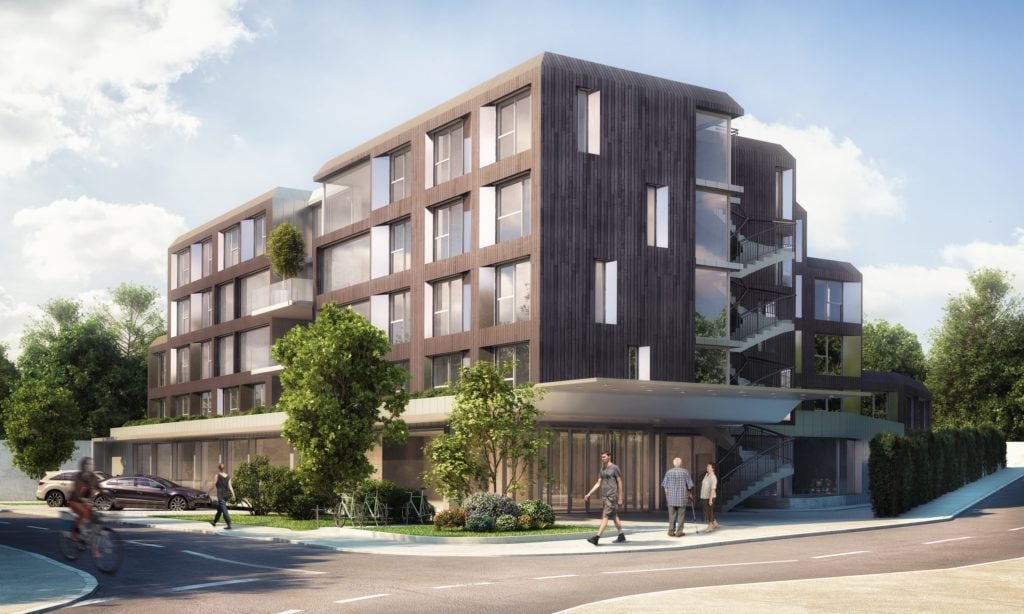
Branded residences are changing how luxury real estate is planned, presented, and sold. These projects bring together private residential living with the service, design, and trust associated with a hospitality brand.
For developers working on hotel-branded residences and hospitality groups entering the residential market creates a different kind of challenge. The project is not only selling apartments, villas, or penthouses. It is selling a complete living experience backed by a recognised brand.
The Rise of Branded Residences in Luxury Real Estate
Table of Contents
Branded residences have become an important part of the premium real estate market. Projects connected to names such as Emirates Palace, Four Seasons, Mandarin Oriental, and other luxury hospitality brands attract buyers who expect more than a well-designed home.
For developers, branded residences offer a strong way to position a high-value project. A hospitality brand can add recognition, credibility, and a premium identity to the development. It can also help the project stand apart in markets where many luxury properties may offer similar amenities.
For hospitality groups, branded residences offer a way to extend the brand beyond hotel stays. The brand becomes part of everyday living, not just short-term guest experiences.
- The quality of the private home
- The identity of the hospitality brand
- The sense of arrival and service
- The privacy of the resident experience
- The lifestyle that comes with ownership
- The trust attached to the brand name
The visual should not simply say, “This is a luxury apartment.” It should say, “This is a private residence shaped by a hospitality brand.”
What the UHNW Buyer Needs to Feel Before Committing Off-Plan
The buyer for a branded residence is often highly selective. Many ultra-high-net-worth buyers are already familiar with luxury hotels, private clubs, premium homes, and international real estate.
They may not be impressed by marble, large rooms, or expensive furniture alone. At this level, the decision is more emotional and trust-led.
Before committing to an off-plan branded residence, the buyer needs to feel confident about the future experience. Since the property may not be ready yet, CGI plays a major role in building that confidence.
The visuals need to help the buyer feel:
- Privacy in the way spaces are planned and presented
- Discretion in the tone of the interiors and shared areas
- Service through arrival areas, concierge zones, lifts, and lounges
- Craft through materials, lighting, finishes, and furniture detailing
- Certainty that the final project will match the brand promise
This does not mean the CGI should look loud or overly dramatic. In branded residences, strong visuals often work through restraint. Calm interiors, controlled lighting, realistic materials, and carefully composed spaces can say more than over-styled luxury.
For UHNW buyers, CGI should not only impress. It should reassure.

The Hospitality Layer: What CGI Must Show Beyond the Apartment
The main difference between a standard luxury residence and a branded residence is the hospitality layer.
A standard residential render may focus mainly on the apartment, villa, or penthouse. A branded residence needs to show the full experience around the home.
This includes how the resident arrives, how they are welcomed, how privacy is maintained, how amenities are accessed, and how service becomes part of daily living.
For this reason, the CGI package should cover more than unit interiors. It should also show:
- Arrival areas
- Drop-off zones
- Private lobbies
- Concierge spaces
- Lift lobbies
- Residents’ lounges
- Wellness and spa areas
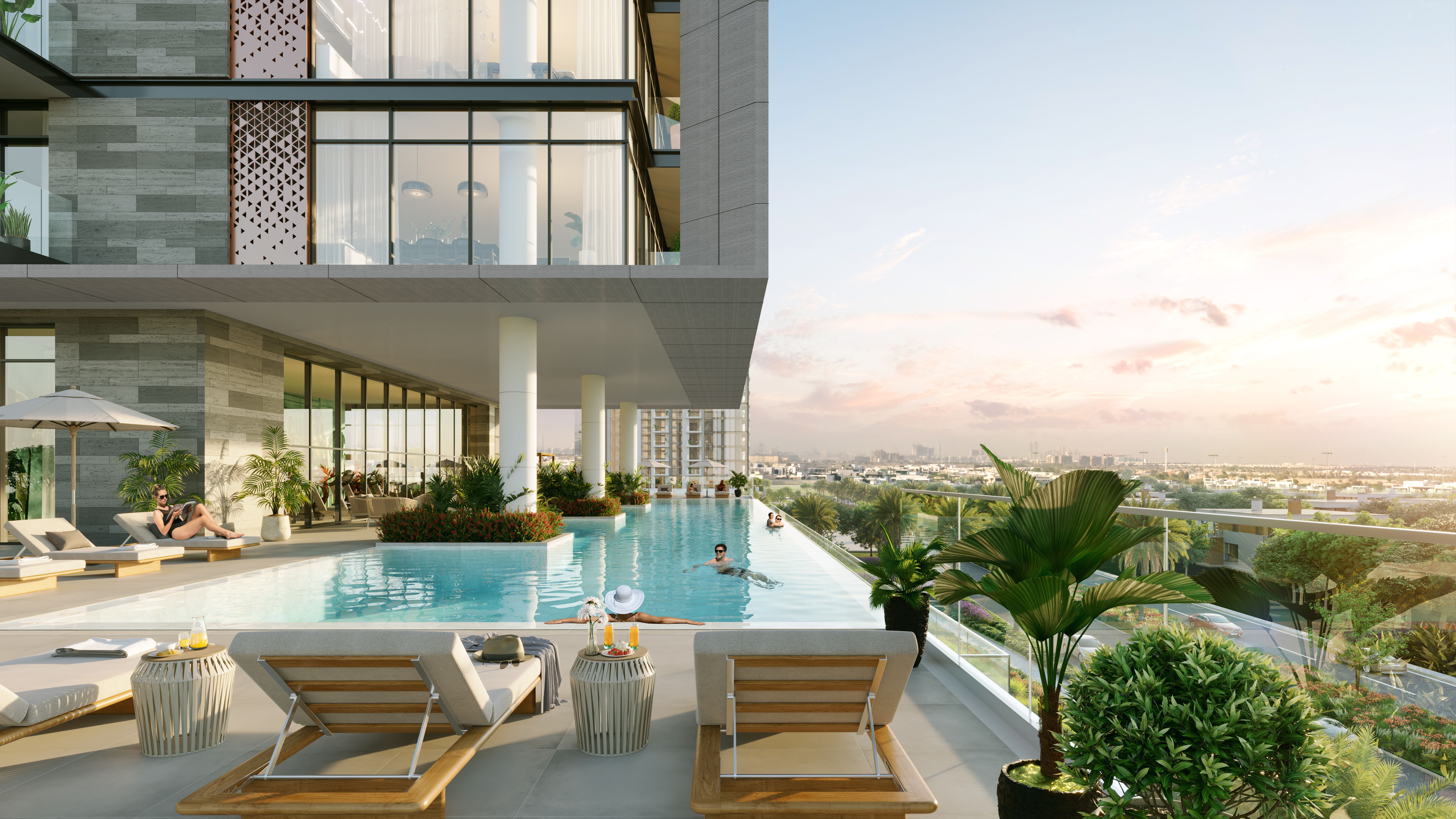
- Pool decks
- Dining and social spaces
- Terraces and outdoor lounges
- Private amenity areas
These spaces help explain the hospitality promise. They show how the brand experience moves from the hotel world into a residential setting.
For developers, this creates a more complete sales story. For hospitality groups, it helps ensure that the brand is represented correctly in the residential environment.
Brand Identity Must Be Visible Without Being Forced
One of the biggest challenges in branded residence CGI is showing the brand identity naturally.
The visuals should not feel like a hotel brochure copied into a residential setting. At the same time, they should not feel like a generic apartment with a brand name attached.
The CGI must find the right balance. It should reflect the hospitality brand’s tone, design codes, and service philosophy while still making the home feel private and liveable.
This can come through:
- Lighting style
- Material palette
- Furniture selection
- Art and accessories
- Lobby atmosphere
- Amenity presentation
- Spatial flow
- Service-led touchpoints
- Overall mood and composition
For example, some brands may feel warm, classic, and grand. Others may feel minimal, calm, and contemporary. The CGI should understand this difference and present the residence accordingly.
Brand identity should be visible in the atmosphere, not forced through obvious branding.
Interactive Tools and VR in Global Off-Plan Sales
Branded residences are often marketed to buyers across different countries. Many buyers may not visit the site before making an enquiry or even before making a decision.
This makes digital sales tools very important. Static renders are still useful, but they may not be enough for a global off-plan sales process. Buyers need to understand the scale, layout, movement, views, finishes, and service experience in more detail. Interactive CGI, 360°virtual tours, walkthroughs, and VR experiences can help buyers explore the project more clearly.
A virtual walkthrough can show how a resident moves from the entrance to the lobby, from the lift to the residence, or from the living area to the terrace. A 360° tour can help buyers explore interiors and amenities at their own pace. A VR experience can make the residence feel more real even when the buyer is not physically present.
Interactive tools can also support:
- Unit comparisons
- Different layout options
- Interior finish choices
- Furniture arrangements
- View simulations
- Amenity walkthroughs
- Remote buyer presentations
- Sales gallery experiences
For developers, interactive tools make sales conversations stronger. For hospitality groups, they help keep the brand experience consistent across different markets and buyer touchpoints.
Why Developers and Hospitality Groups Need the Right CGI Partner
Branded residences need a visualization partner who understands both real estate and hospitality. This is different from producing standard apartment renders.
The CGI studio must understand architecture, interiors, amenities, service spaces, brand standards, buyer psychology, and sales strategy. It must know how to make the project feel premium without making it look excessive. The right CGI partner should be able to:
- Interpret the hospitality brand’s visual language
- Present privacy and service in a residential setting
- Show material quality with accuracy
- Create calm and refined luxury visuals
- Build CGI assets for digital and sales use
- Support off-plan buyer confidence
- Maintain consistency across all project visuals
For developers, the right partner can help shape how the project is perceived before launch. For hospitality groups, the right partner can protect the brand’s standards as it enters the residential market.
Final Thoughts
Branded residences demand a different kind of CGI because they sell more than space. They sell a hospitality-backed residential experience built around privacy, service, design, trust, and brand value.
For developers and hospitality groups, standard residential CGI may not be enough. The visuals must show the quality of the home, the strength of the brand, and the feeling of living in a managed, service-led environment.
As hotel-branded residences continue to grow, CGI will play an even larger role in how these projects are marketed and sold. The strongest visuals will not only show beautiful interiors. They will help buyers understand the lifestyle, trust the brand promise, and feel confident about committing off-plan.
FAQ’s
Why do branded residences need a different kind of CGI?
Branded residences need CGI that shows more than interiors and layouts. The visuals must communicate privacy, service, trust, material quality, and the lifestyle experience connected to the hospitality brand.
Why is standard residential CGI not enough for branded residences?
Standard residential CGI usually focuses on rooms, furniture, finishes, and views. Branded residences need visuals that also reflect the brand identity, hospitality experience, service areas, and the expectations of high-value buyers.
What should CGI for branded residences show?
CGI for branded residences should show private residences, arrival areas, lobbies, concierge spaces, lounges, wellness areas, pool decks, terraces, and other service-led spaces that explain the full living experience.
How does CGI help sell branded residences off-plan?
CGI helps buyers understand the project before it is built. It shows the design, finishes, amenities, views, and hospitality experience clearly, which can build confidence during off-plan sales.
What do UHNW buyers expect from branded residence visuals?
UHNW buyers expect visuals that feel private, refined, accurate, and trustworthy. They are looking for quiet luxury, quality materials, strong design, and a clear sense of service rather than only grand or dramatic interiors.
How does 3D hospitality rendering help hotel projects?
3D hospitality rendering helps teams communicate the intended guest experience by visualizing materials, furniture, lighting, atmosphere and spatial design before completion.

